
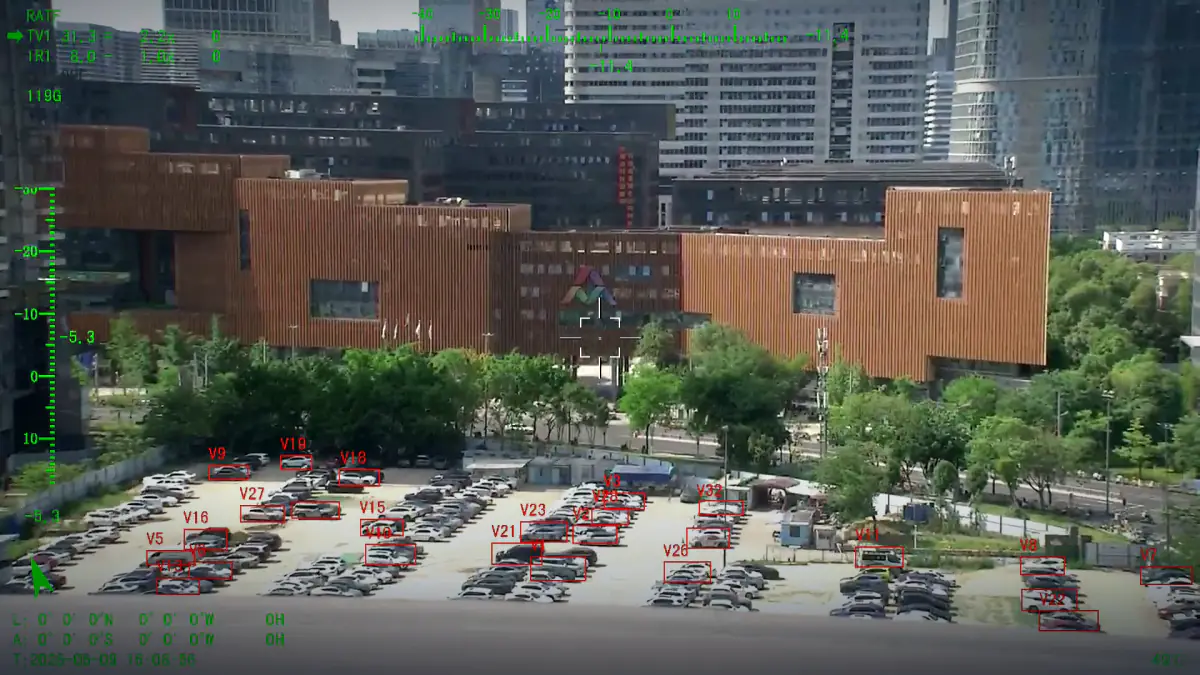
UAV Camera Solutions by Mission and Platform
Six mission profiles, one payload architecture
The same payload will not suit a perimeter patrol, a power line survey and a long-endurance ISR (intelligence, surveillance and reconnaissance) sortie. This section starts from the mission instead: what the aircraft has to see, from how far, for how long, and what has to happen to the imagery afterwards.
- Surveillance
- Security
- Inspection
- Defence
Missions
Six profiles, from perimeter patrol to rotary wing ISR.
- MonitoringUAV Surveillance
Persistent monitoring of an area, a route or a boundary, day and night, with targets followed rather than merely observed.
- SecurityUAV Security
Patrol and incident response for sites, events and perimeters, where the output is a recorded, geotagged record.
- InspectionUAV Inspection
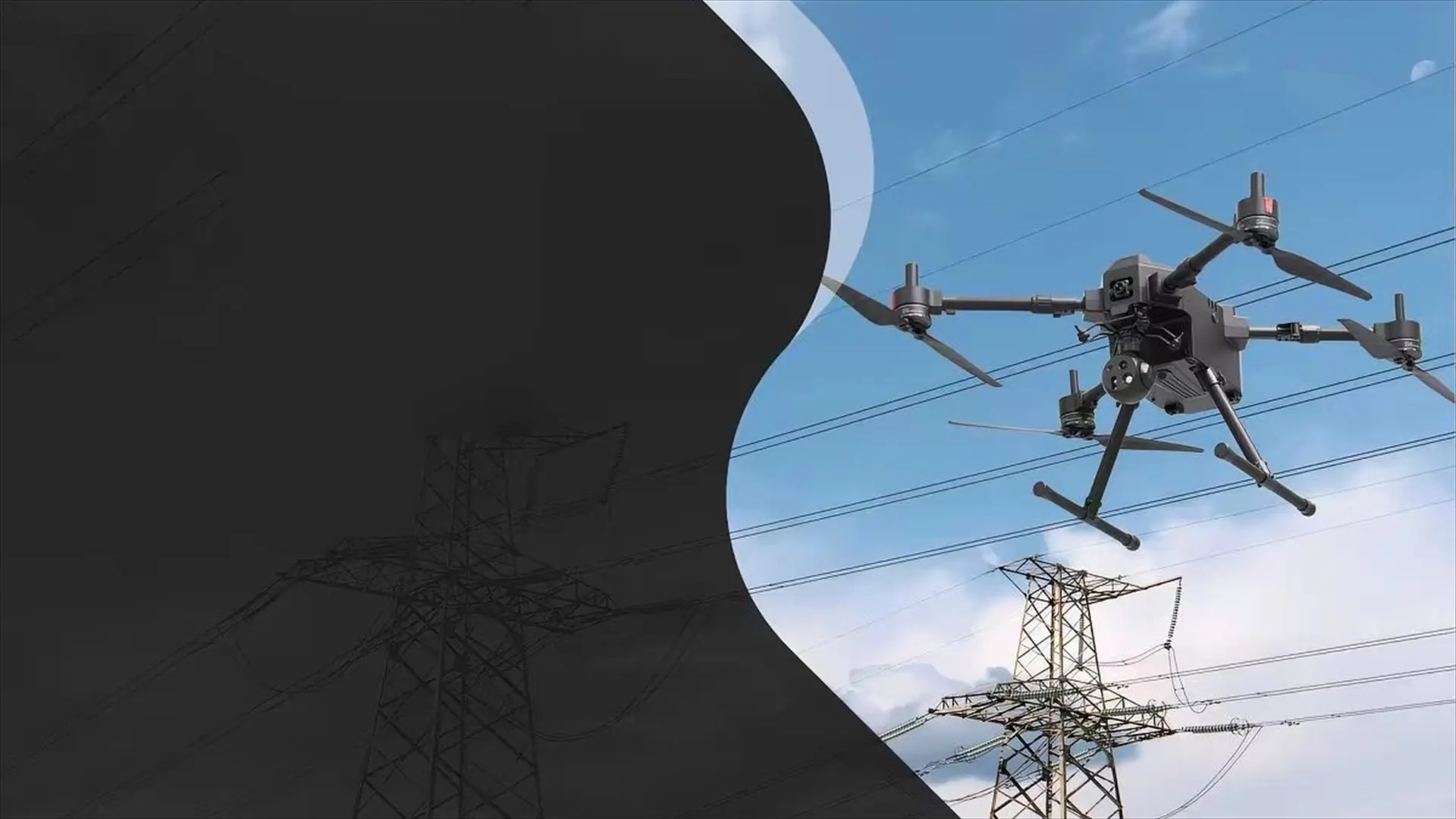
Close-range detail on structures, assets and installations, where resolution and stills matter more than reach.
- DefenceMilitary UAV / Drone
ISR and targeting roles that need thermal imaging, long zoom, tracking and 1064 nm designation in one turret.
- Rotary wingHelicopter Cameras
Stabilised imaging on rotary wing platforms for patrol, utility and hoist operations.
- Unmanned rotaryDrone Helicopter Cameras
One payload architecture shared between unmanned rotary aircraft and manned helicopters.
Six scenarios we are asked about most
The same airframe and the same payload family cover all of these. What changes is which channel matters, how far the aircraft stands off, and whether the job runs in daylight.
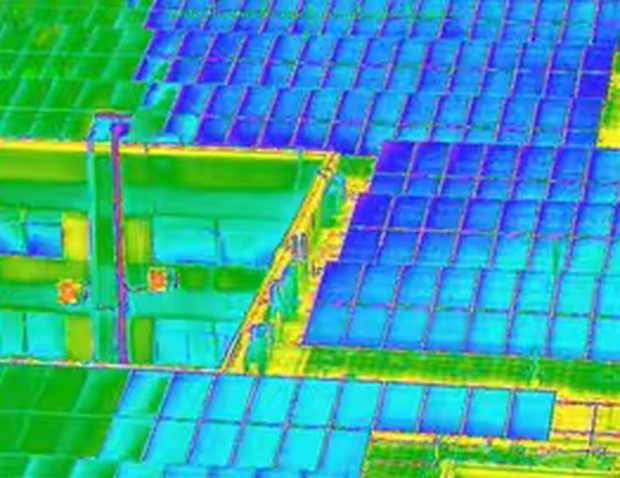
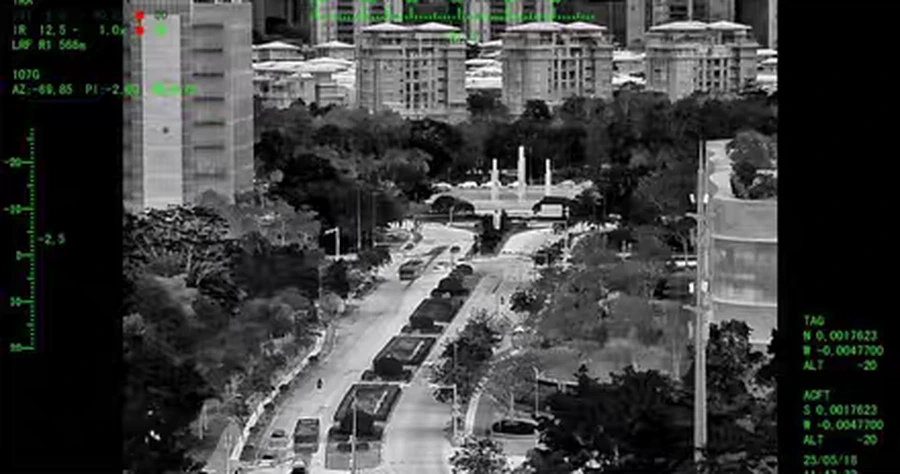
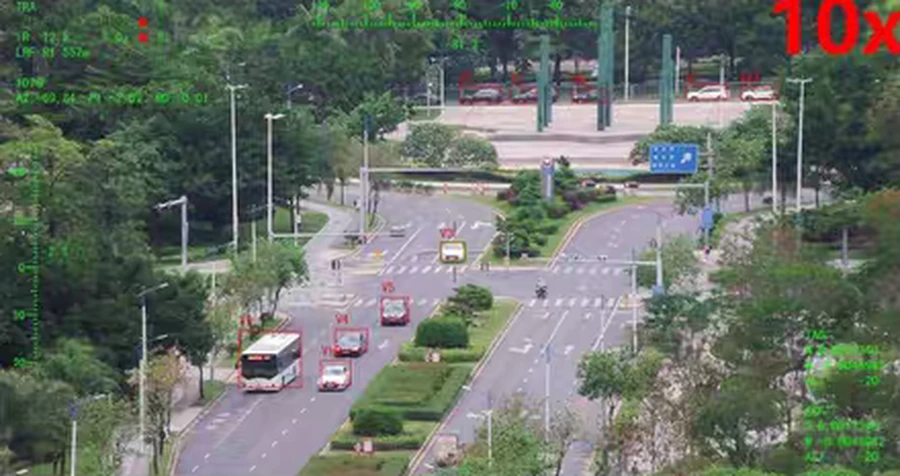
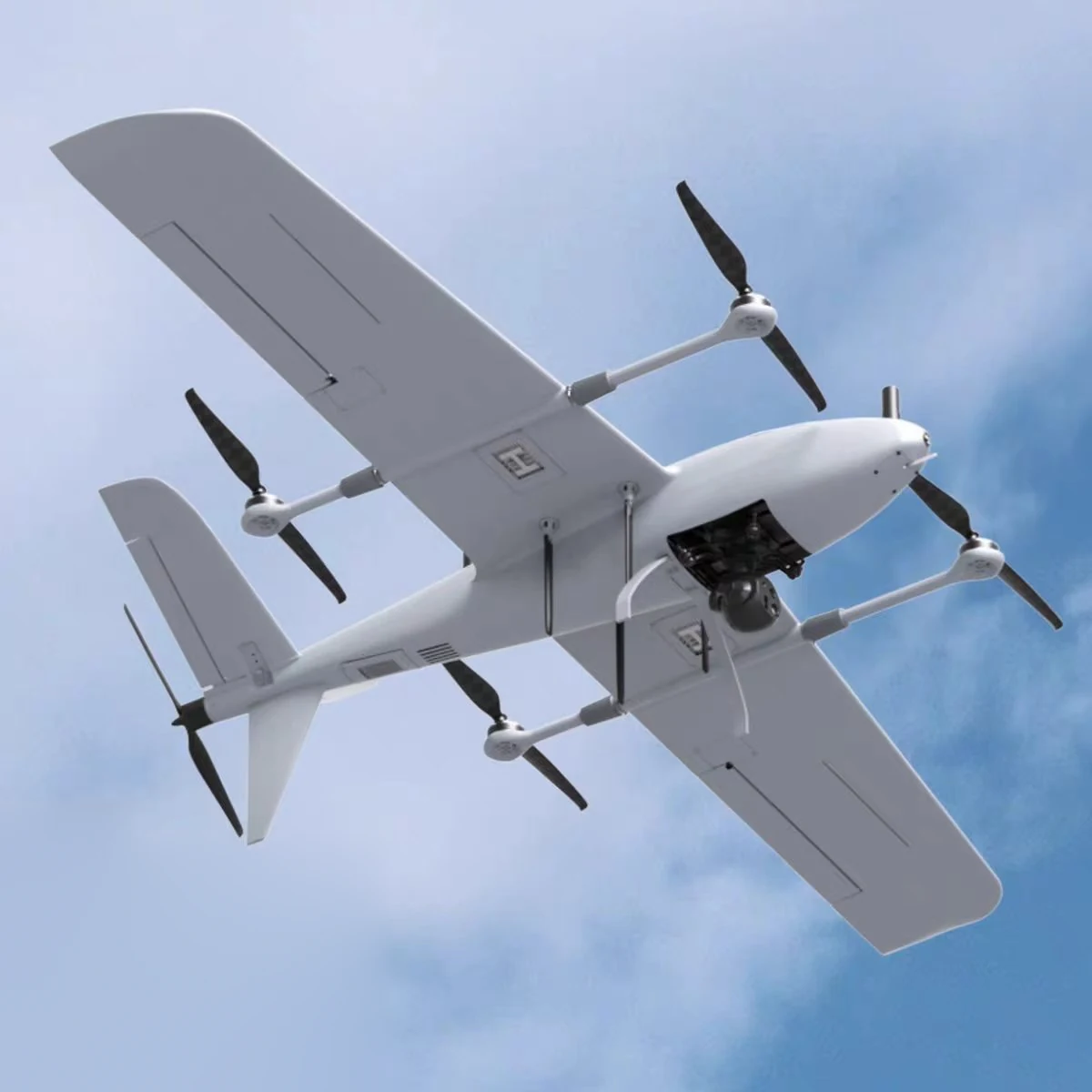
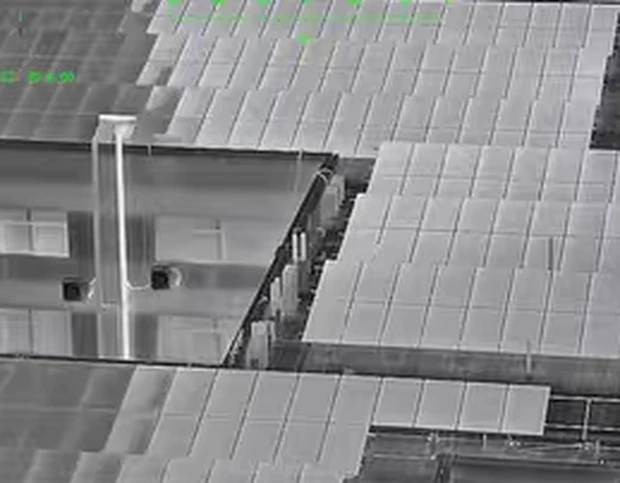
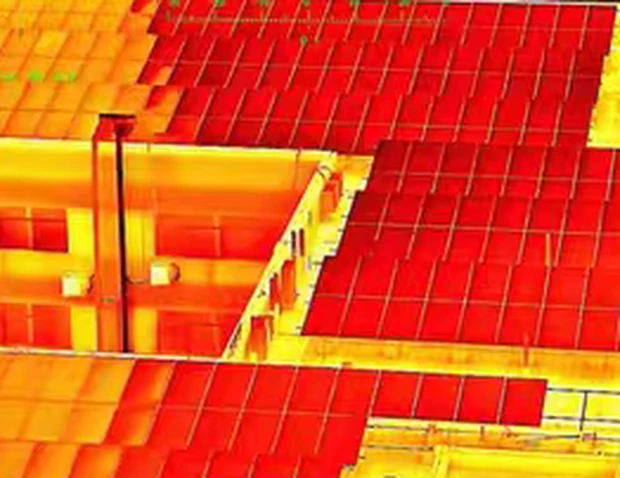
Every scenario above is covered by at least one series in the range. Tell the engineering team the mission and the airframe, and we will name the head, the channels and the configuration.
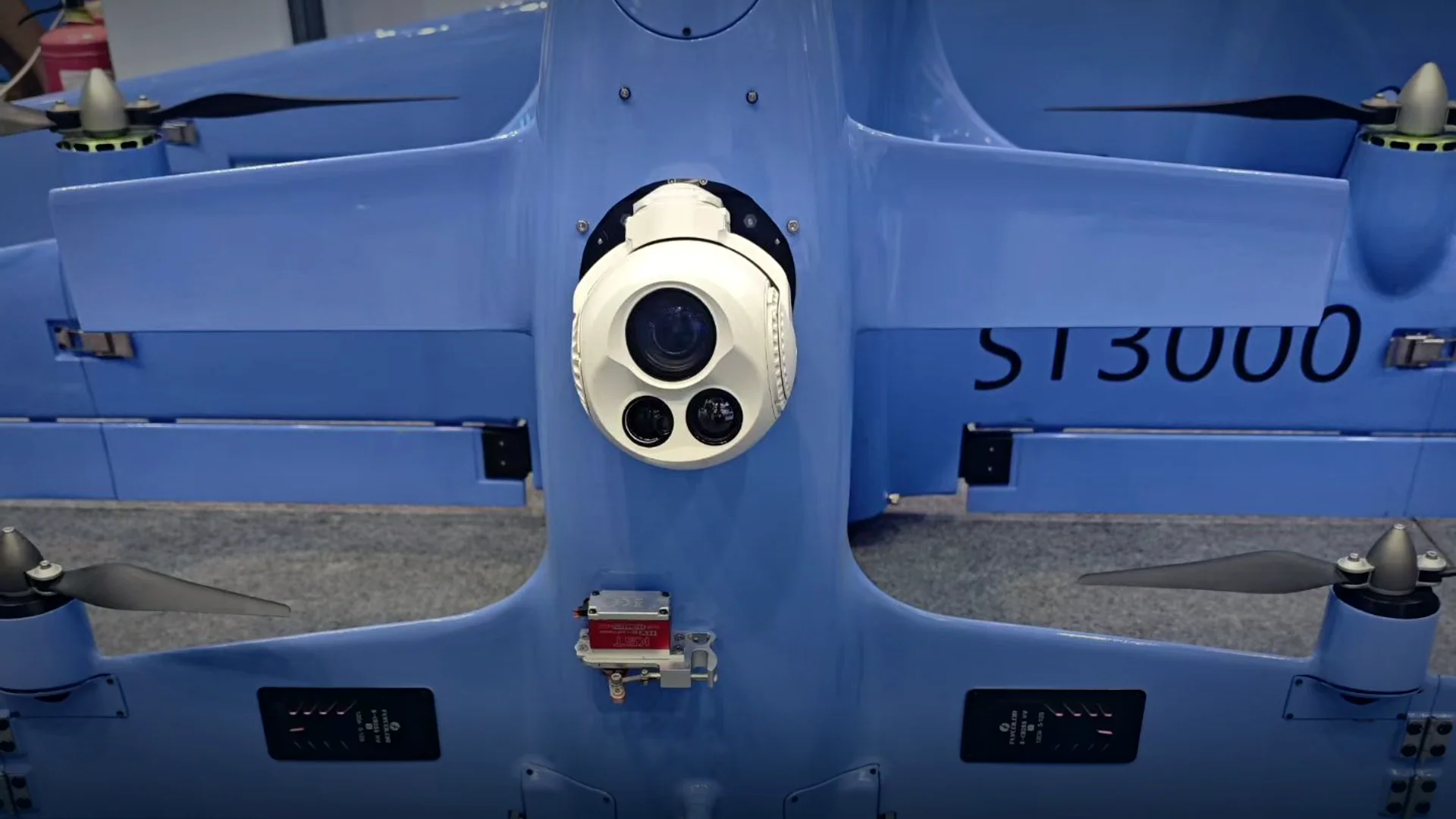
Most UAV (unmanned aerial vehicle) camera solutions are decided by three numbers before any sensor is discussed: how long the aircraft can stay up, how much it can lift, and how far the operator has to be from the object. A 240 g head on a quadcopter gives twenty minutes of detail; a 10 kg turret on a helicopter gives hours of coverage at ten kilometres. Both are correct answers to different questions.
Each page below covers one mission profile in the same order: what the operator actually has to see, what that demands of optics and stabilisation, how the imagery has to be recorded or streamed, and which payloads in the range fit. Where a mission needs targeting rather than observation, it is called out explicitly.
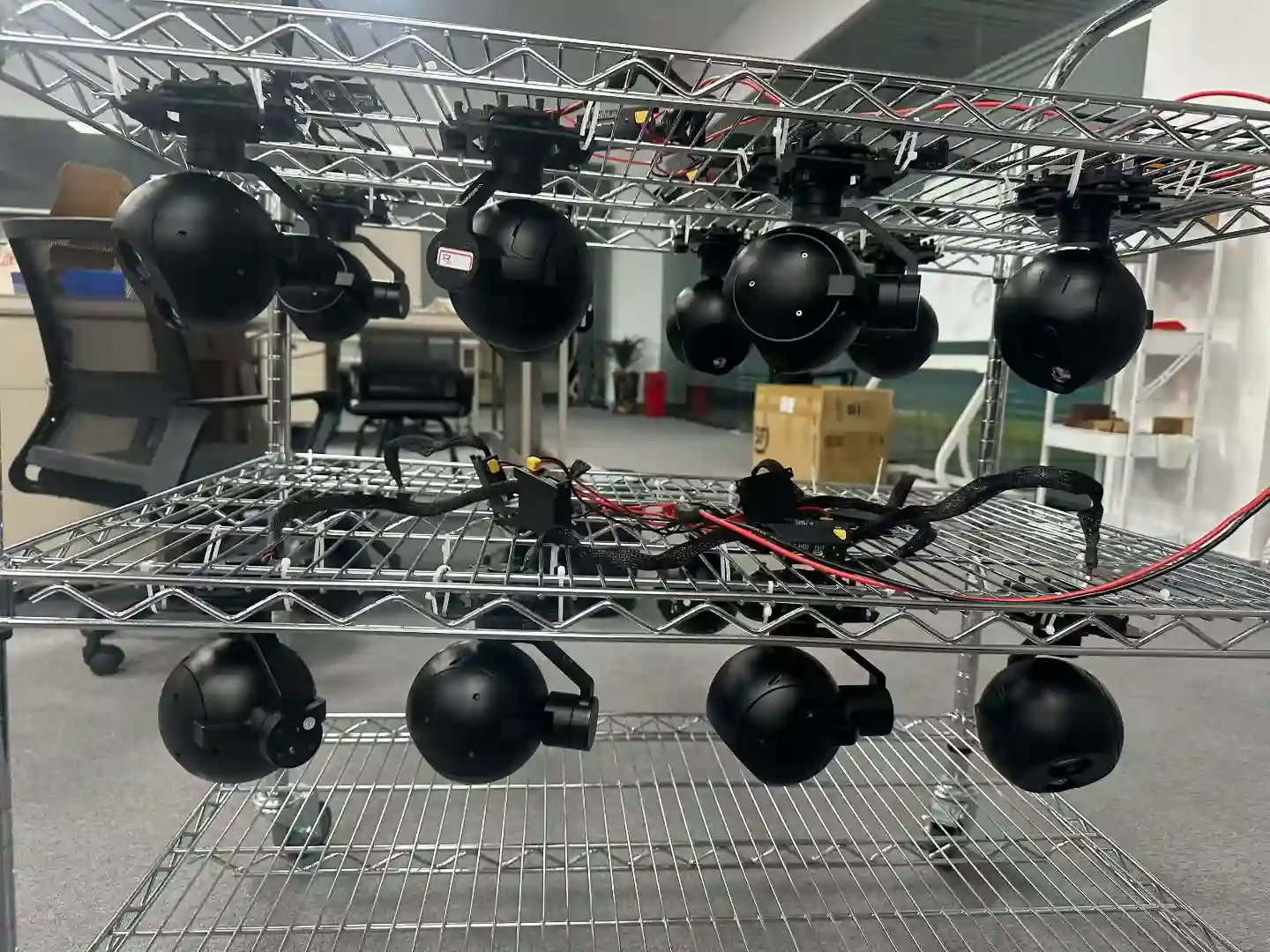
Footage from the payloads and from the line
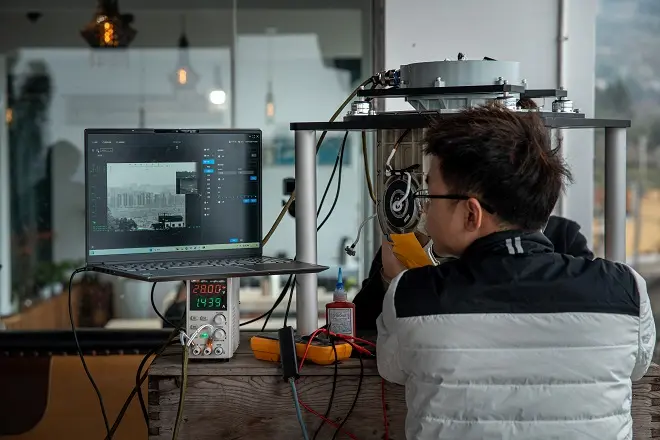
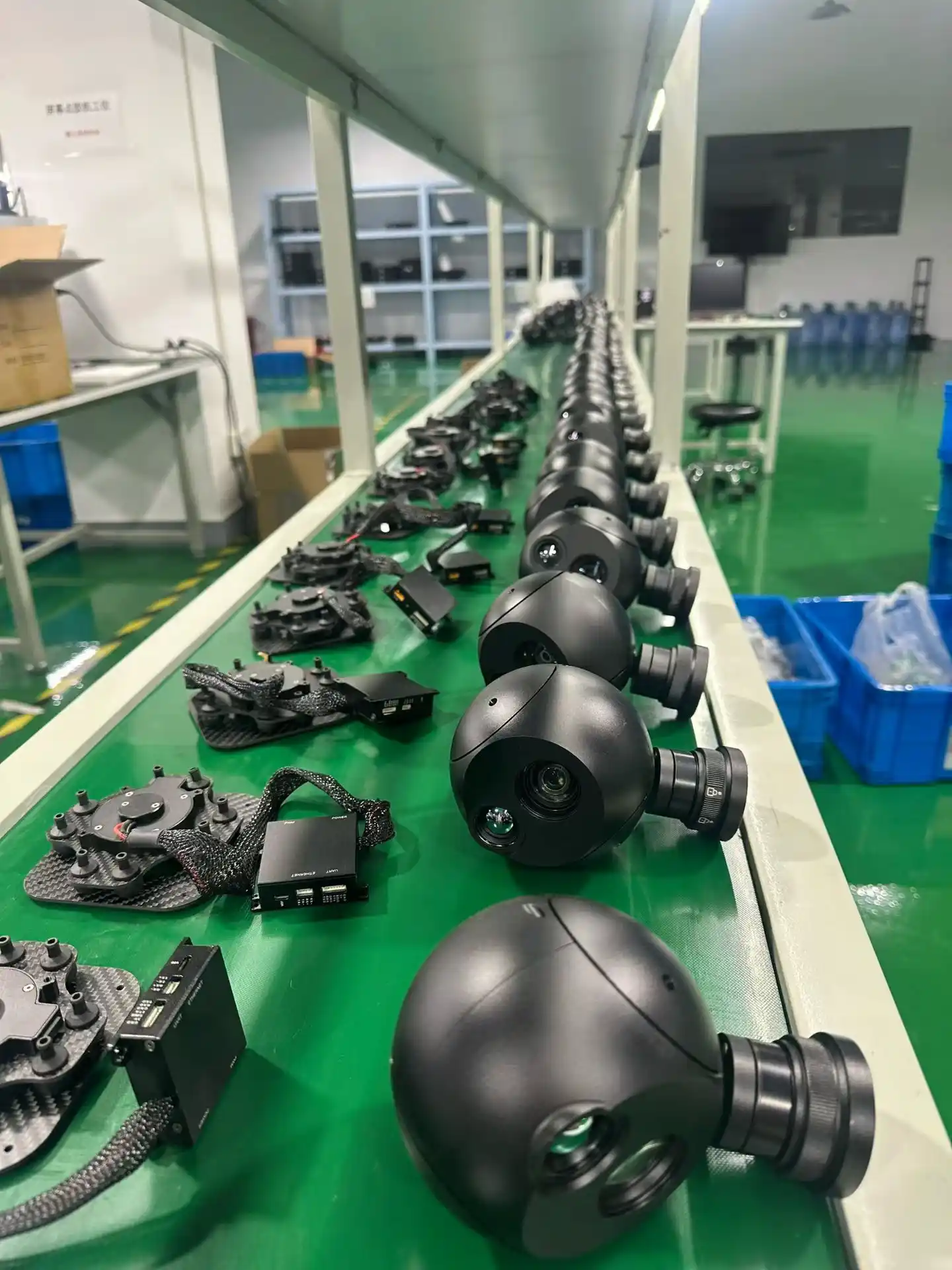
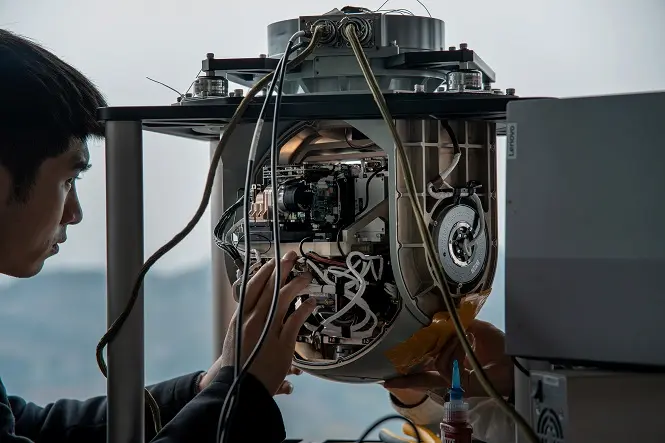
Unedited clips recorded from our own camera channels, plus two from the production floor. Nothing here is stock footage or a render.
Need footage from a specific channel, range or condition before you commit? Ask us for a demo clip and we will record it on the model you are considering.
What every mission profile comes back to
- Weight against endurance
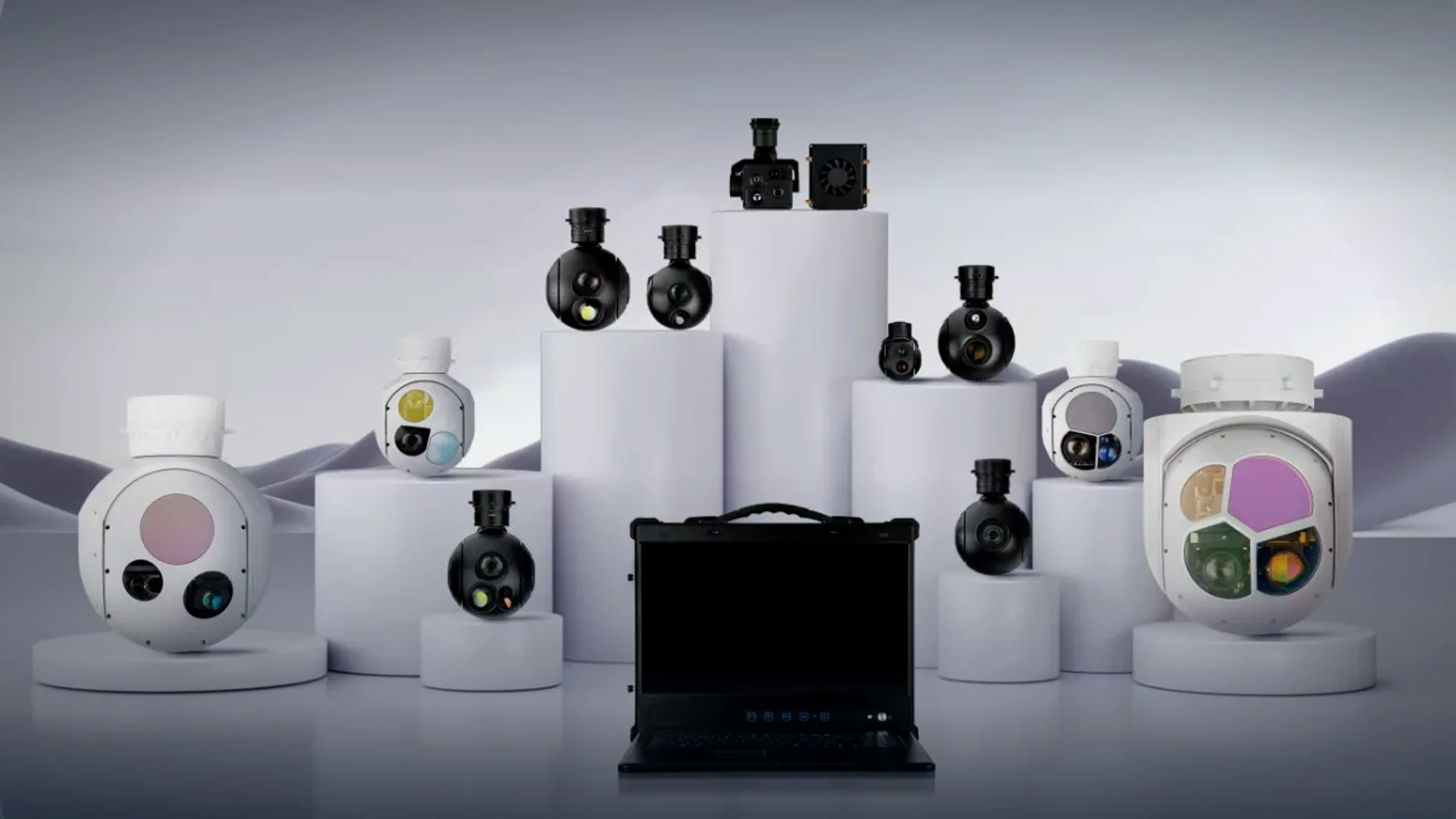
Every kilogram on the gimbal is a kilogram less of battery or fuel. The light class covers 240 g to 500 g, the mid class 800 g to 1.5 kg and the pod class 1.6 kg to 22 kg.
- Day and night on one aircraft
A mission that stops at dusk is a different product from one that runs for twenty-four hours. Thermal imaging and low-light channels decide which one you are buying.
- Stabilisation at the focal length you use
The zoom the mission needs sets the stability it needs. At 30x, stabilisation accuracy stops being a specification and becomes the difference between usable and unusable imagery.
- Recording and evidential chain
Onboard recording, timestamps and geotagged frames matter wherever the imagery becomes a report, an inspection record or evidence.
- Tracking and geolocation
Following an object and reporting where it is turns video into data. A rangefinder in the loop provides the coordinate.
- Integration with what you already fly
Ethernet video, RS-422, RS-232, TTL (transistor-transistor logic), SBUS and MAVLink (Micro Air Vehicle Link) support means the payload can be fitted to an existing airframe rather than the other way round.
Mission to payload class
A starting point rather than a rule: the platform and the stand-off distance usually move the answer by one class.
| Mission | Typical platform | Payload class | Key requirement |
|---|---|---|---|
| Perimeter and site security | Quadcopter, small VTOL | 240 g – 1 kg | Thermal detection plus a low-light visible channel for identification |
| Route and area surveillance | VTOL, fixed wing | 1 – 5 kg | 30x zoom or better, tracking, 3 – 9 km ranging |
| Asset inspection | Quadcopter, VTOL | 240 g – 400 g | High-resolution stills, stabilised video, close approach |
| Maritime and border | Fixed wing, VTOL | 5 – 10 kg | Continuous thermal zoom, 15 km ranging, salt-air sealing |
| Defence ISR and targeting | Helicopter, large fixed wing | 5 – 22 kg | EO/IR with 55x zoom, designation, long-range ranging |
| Rotary wing patrol and hoist | Helicopter | 2 – 10 kg | Vibration tolerance, 28 VDC supply, two-axis turret |
How to specify a solution rather than a camera
Start from the output, not the sensor
Decide what the imagery has to prove: a person detected in a compound, a crack measured on a blade, a vehicle tracked along a route, a target designated for a third party. Each of those sets a different requirement, and two of them are not imaging problems at all.
Then check the airframe
- Payload mass against available endurance: the pod class costs battery or fuel.
- Mounting and centre of gravity: a 10 kg turret changes how the aircraft flies.
- Power: most of the range runs on 11 – 28 VDC, which covers common UAV and helicopter buses.
- Control: confirm the autopilot speaks at least one of Ethernet, RS-422, RS-232, TTL, SBUS or MAVLink.
Finally, plan the data path
A payload that records onboard and streams at the same time gives the mission a record even when the link drops, which is often the difference between a useful sortie and a wasted one.
Related pages
Mission pages point at products; product pages list the hardware.
- All product categoriesThree hardware series and four selection guides.Explore the UAV camera range
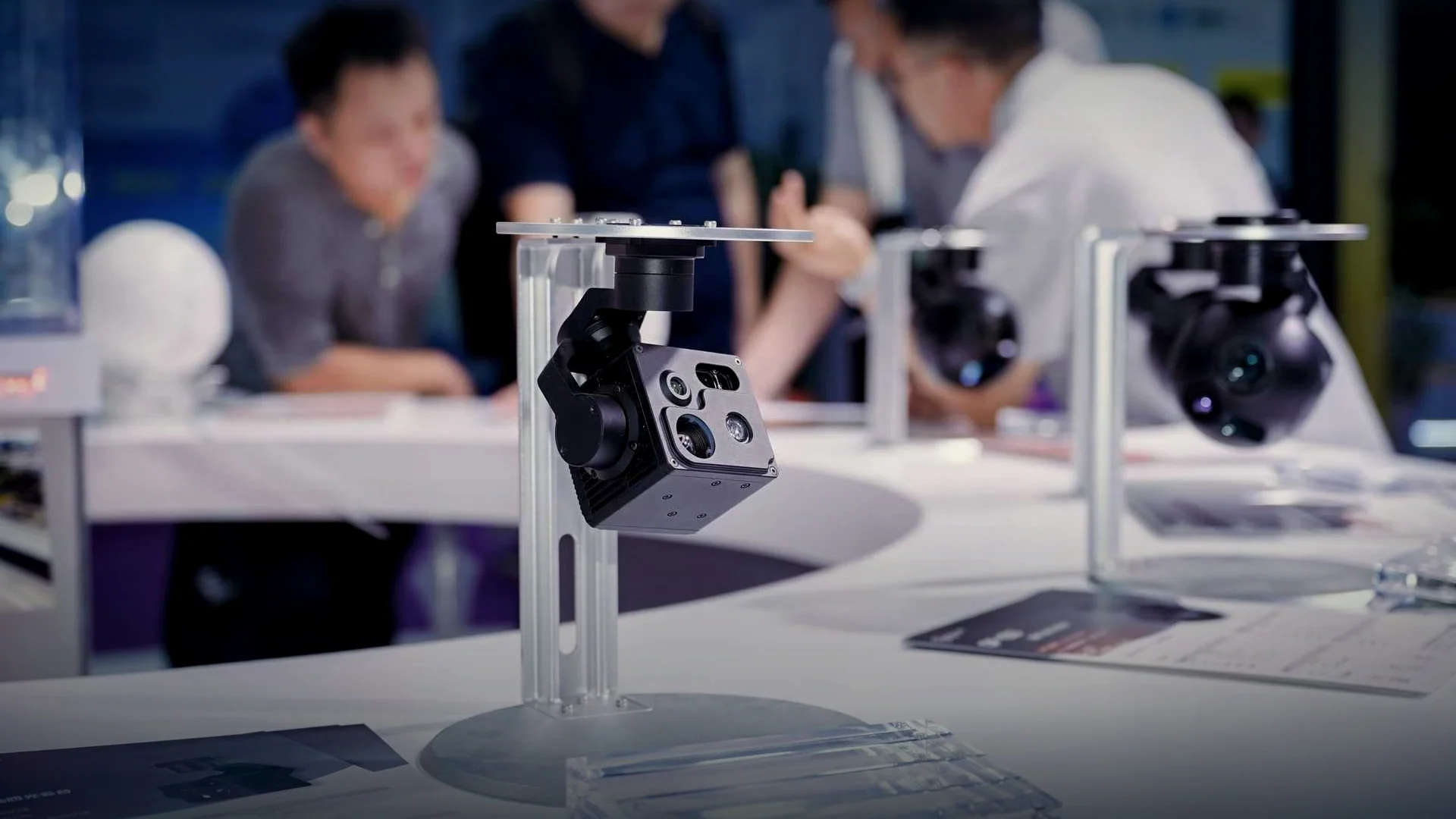
- Gimbal camerasTwo- and three-axis heads from 240 g to 1.5 kg.Explore gimbal cameras
- EO/IR (electro-optical/infrared) pod systemsTurrets from 1.6 kg to 10 kg with ranging to 15 km.Explore EO/IR pod systems
- TechnologyNight vision, long range imaging and AI (artificial intelligence) tracking.Explore UAV camera technology
Engineering detail
Why mission pages come before product pages
A product list answers what exists. A mission page answers what the aircraft has to do, and it is the only way to compare a 500 g two-axis head with a 5 kg turret without being misled by the zoom figure. Integrators who start from the mission usually specify one class lower and get more endurance for it.
One architecture across the classes
Because the control protocol, video pipeline and tracking module are shared, a payload can be swapped between classes without rewriting the integration. A customer who starts with a 400 g head for trials can move to a pod class turret later without changing the ground station.
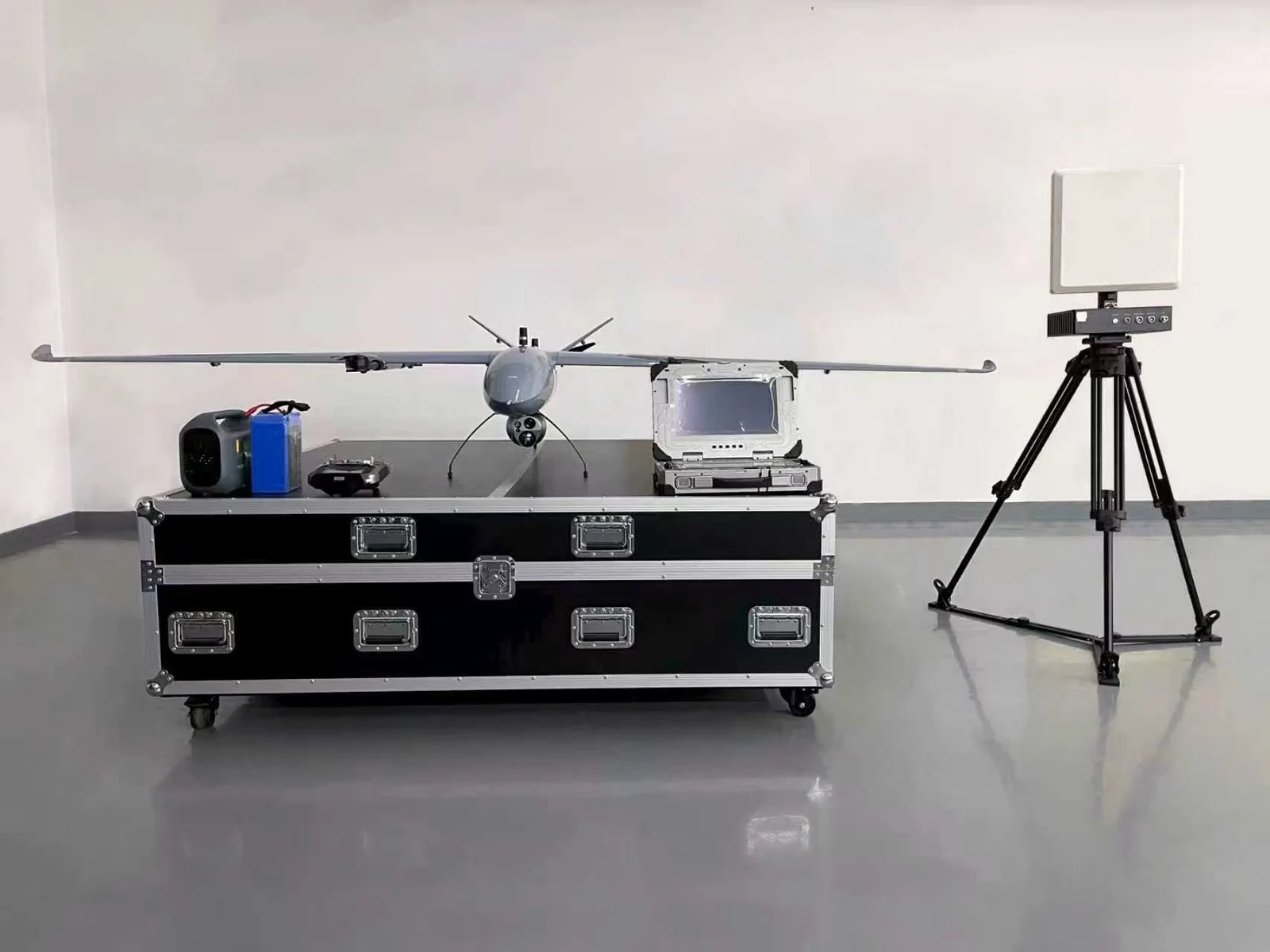
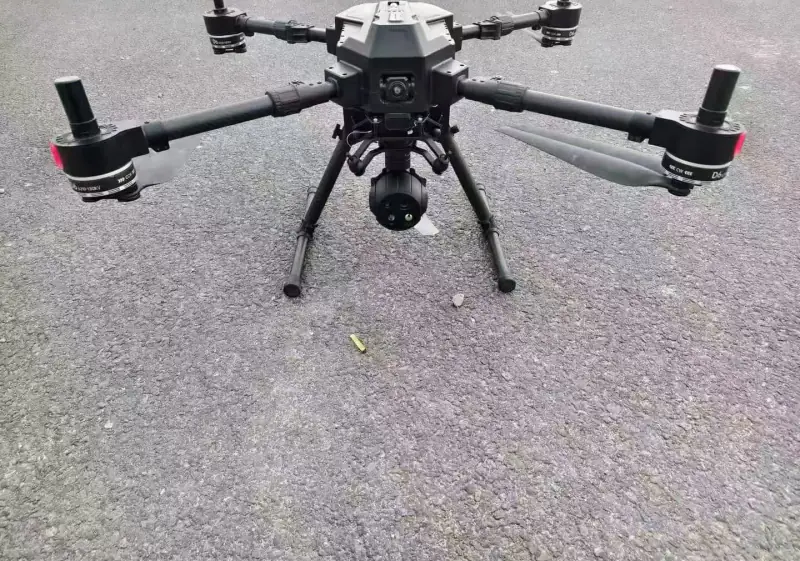
Designed and manufactured by HITS
Optics, servo hardware, stabilisation firmware and the AI tracking module are developed in house, and every unit is assembled, calibrated and environmentally tested on our own line before it ships.
Related reading
Request information or a quotation
Describe the mission and the platform and we will shortlist the payloads that fit it. Get Payload Recommendations with your requirements.