





EO IR Sensor Pairing: Boresight, Bands and Detectors
Pairing a visible channel with thermal imaging on one line of sight
A dual-sensor payload is only as good as the agreement between its two channels. If the visible and thermal images do not share an aim point, every switch between them costs the operator the target.
- Uncooled LWIR
- Cooled alternatives
- NETD ≤ 40 mK
- Boresight on one cage
An eo/ir sensor pair combines a visible channel, which carries colour and detail, with a thermal channel, which carries heat and works without light. The two bands do not compete: the visible channel answers what something looks like, and the thermal channel answers whether it is there, whether it is running and whether it is occupied. Written as eo ir sensor, eoir sensor or eoir sensors, it is the same pairing of an electro-optical channel with an infrared one. Most eo/ir sensors in production follow that pattern: a 1920 x 1080 visible channel paired with a 640 x 512 thermal detector.
For a uav thermal sensor the defining numbers are detector resolution, lens focal length and noise-equivalent temperature difference. For the pair, the defining number is boresight tolerance: how far the two images can drift apart across temperature and zoom before the operator notices. That is a mechanical and optical property, and it is set at design rather than corrected in software.
Detectors and how they compare
- Uncooled microbolometer
Vanadium oxide or amorphous silicon detectors in the 8 – 14 micrometre band, operating at ambient temperature. Light, low power and the mainstay of UAV thermal imaging at 640 x 512 and 1280 x 1024.
- Cooled detectors
Mercury cadmium telluride or indium antimonide in the 3 – 5 micrometre band, with better sensitivity and longer range in dry air, at the cost of a cryocooler, weight and power.
- NETD
Noise-equivalent temperature difference at or below 40 mK separates a person from a wall that has been in the sun all day. Poorer detectors collapse the same scene into a single shape.
- Boresight on one cage
Both optical paths mount on a common structure with matched expansion, aligned at the factory and verified after temperature cycling across the operating band.
- Fusion and display modes
Either channel full screen, thermal overlaid on visible as picture-in-picture, or both recorded simultaneously so the mission keeps the frame that mattered.
- Shared stabilisation
Both channels sit behind the same stabilised axes, so switching channel does not change the pointing behaviour the operator has learned.
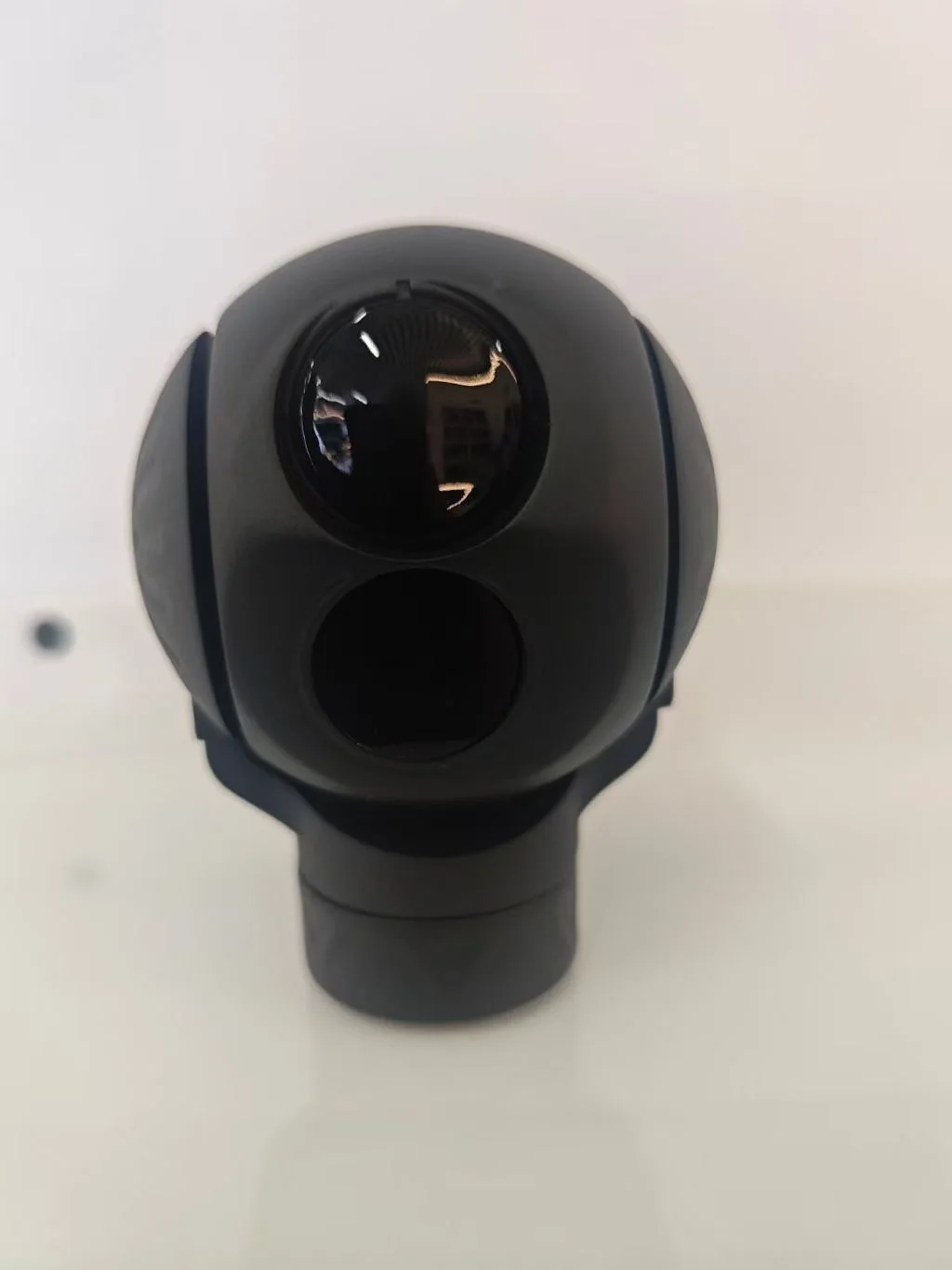
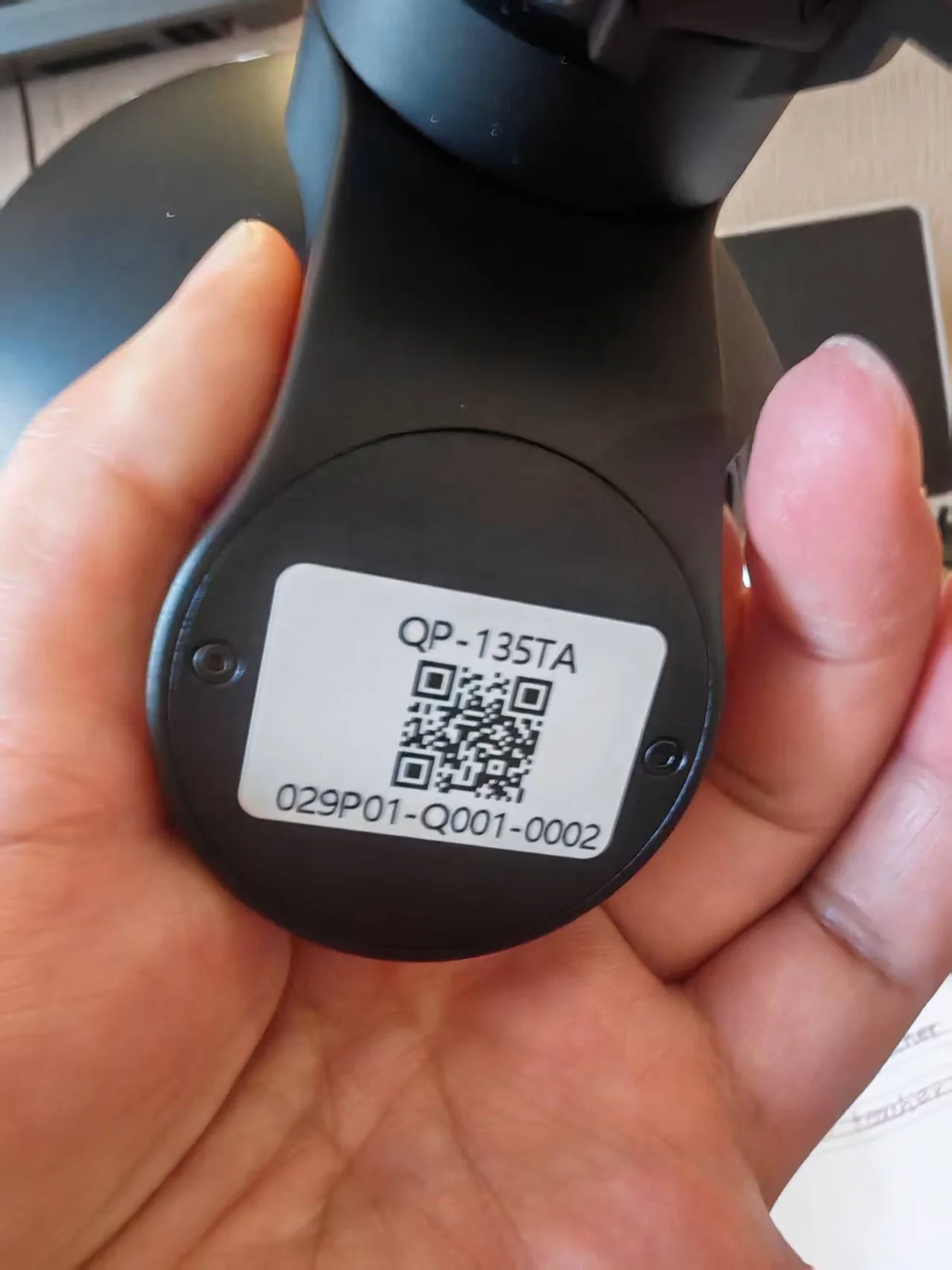
Pairing a visible channel with thermal
Indicative combinations across the range, matched to the mission rather than to the sensor.
| Pairing | Visible channel | Thermal channel | Typical payload weight | Best for |
|---|---|---|---|---|
| Entry dual sensor | 2688 x 1520 fixed | 640 x 512, 19 mm | 240 g class | Small aircraft, detection and context |
| Mid dual sensor | 1920 x 1080 with 10x – 30x zoom | 640 x 512, 25 – 35 mm | 800 g – 1.2 kg class | Patrol and inspection |
| High-resolution thermal | 1920 x 1080 with 30x zoom | 1280 x 1024, 75 mm | 2.8 – 4.1 kg class | Long-range identification at night |
| Continuous thermal zoom | 1920 x 1080 with 30x – 55x zoom | 640 x 512 with 40 – 275 mm zoom | 5 – 10 kg class | Surveillance and ISR |
| Dual thermal with designation | 1920 x 1080 with 30x zoom | Dual 640 x 512 with 300 mm + zoom | 22 kg class | Targeting and designation |
Four dual-sensor payloads
From a 260 g entry head to a 5 kg turret with continuous thermal zoom and 9.5 km ranging.
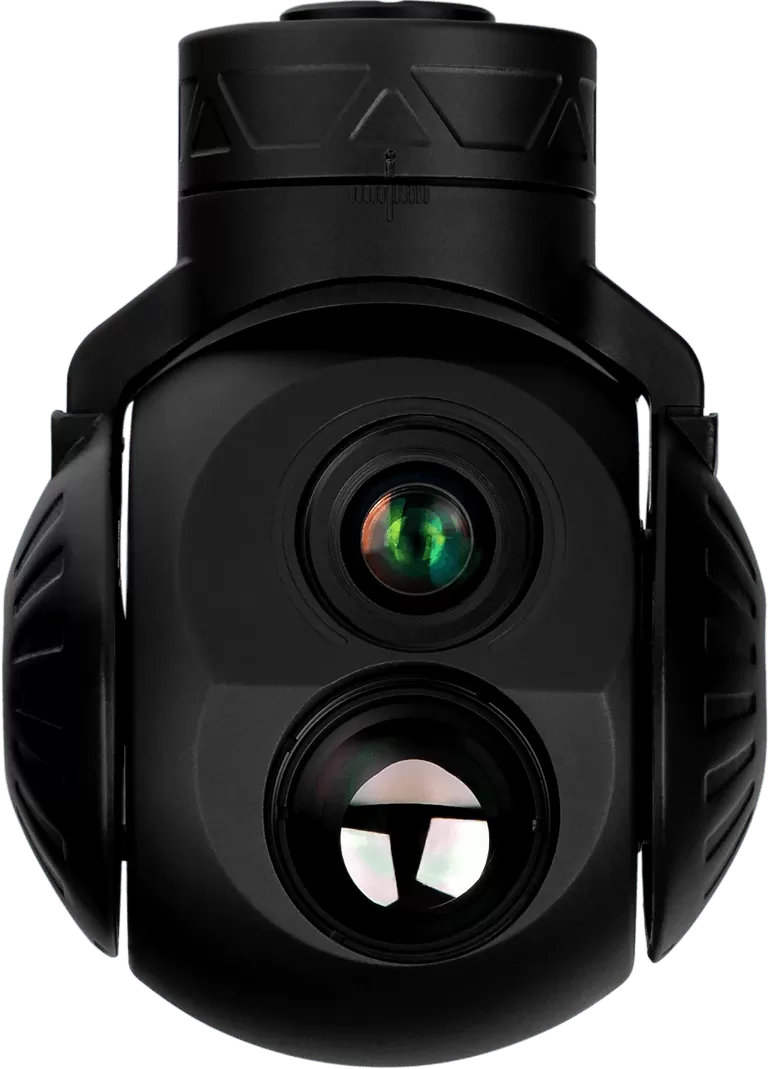
HQ · 2-axis · EO + IR
HQ-64DA
The lightest dual-sensor head in the range — 2K daylight plus thermal on 260 g.
- Visible
- 2688 × 1520, 8.5 mm fixed
- Thermal
- 640 × 512, 19 mm fixed
- Laser
- —
- Weight
- ≤260 g
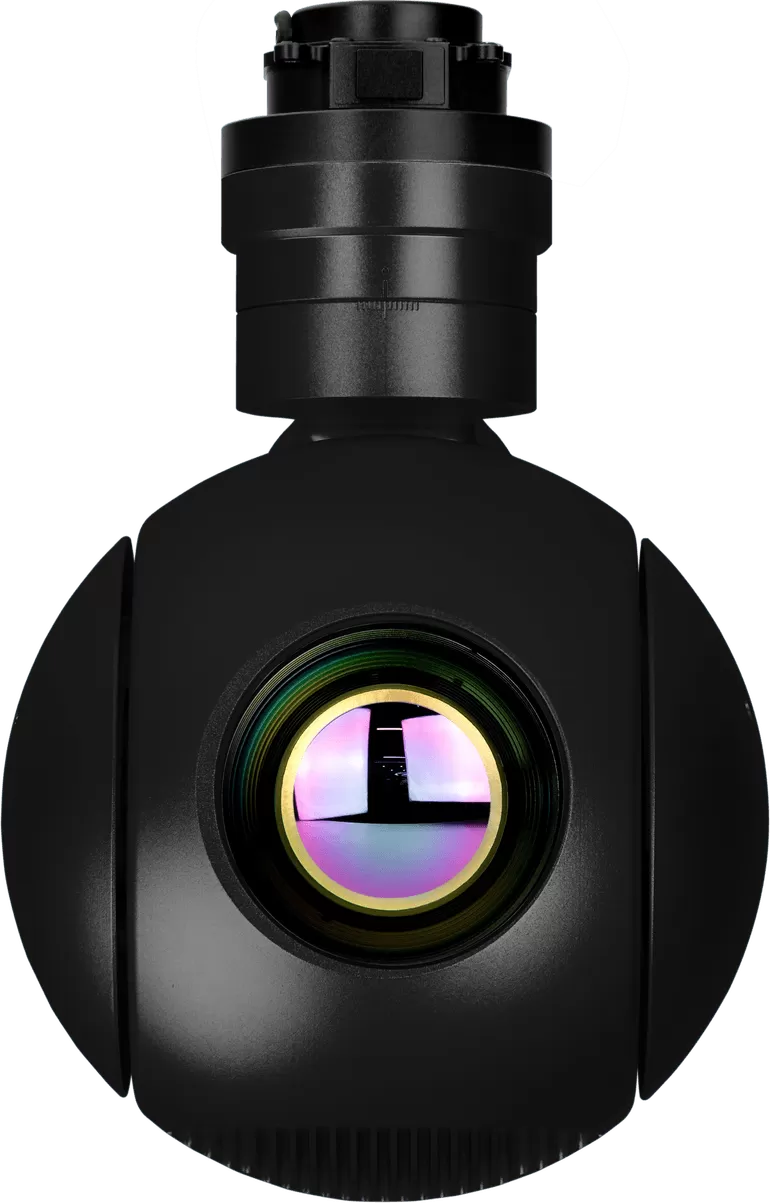
HQ · 3-axis · IR
HQ-125S
A thermal-only head with a 1280 × 1024 sensor — the highest thermal resolution in the series.
- Visible
- —
- Thermal
- 1280 × 1024, 50 mm fixed
- Laser
- —
- Weight
- ≤1 kg
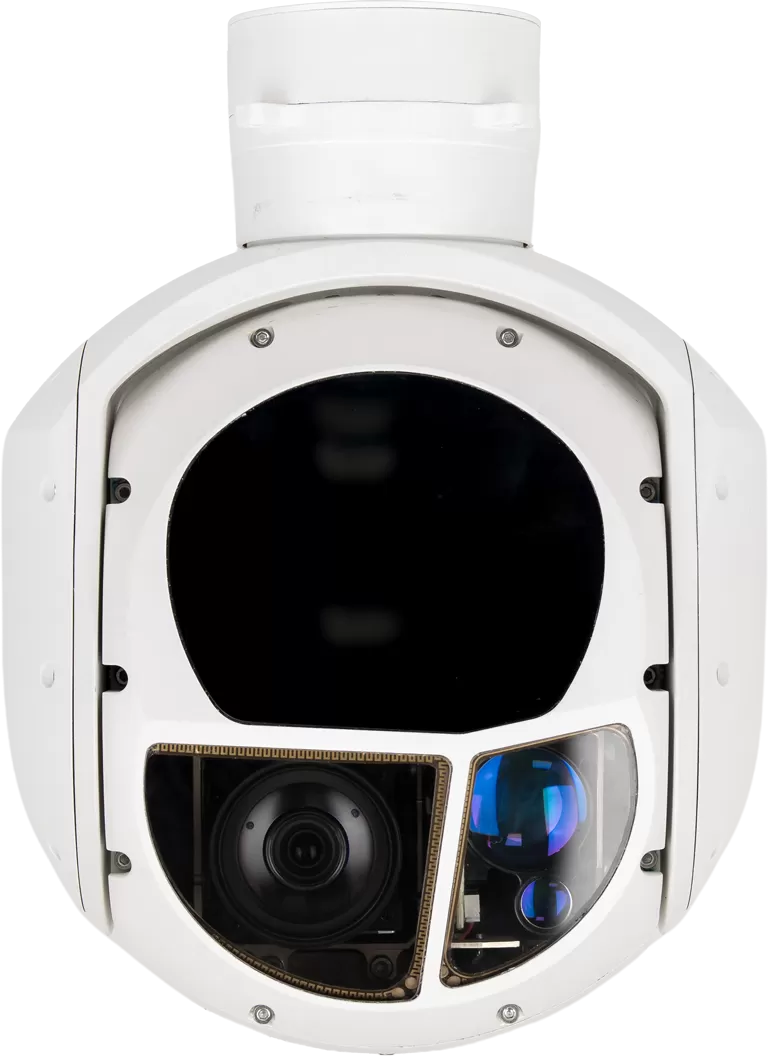
XQ · 2-axis · EO + IR + LRF
XQ-170TC
1280 × 1024 thermal on a 75 mm lens — the long-range imaging workhorse of the pod range.
- Visible
- 1920 × 1080, 30x zoom 4.3 – 129 mm
- Thermal
- 1280 × 1024, 75 mm fixed
- Laser
- 50 m – 5 km (± 1 m)
- Weight
- ≤2.8 kg
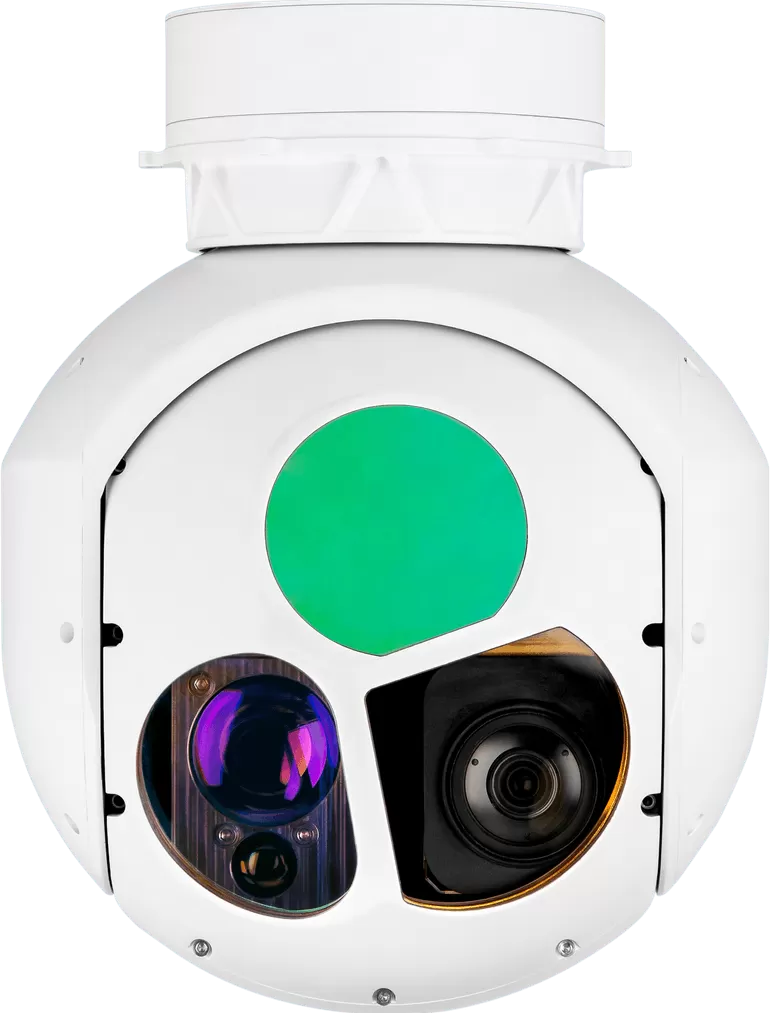
XQ · 2-axis · EO + IR + LRF
XQ-200T
A continuous-zoom thermal channel from 40 mm to 220 mm plus 9.5 km ranging on a 5 kg pod.
- Visible
- 1920 × 1080, 30x zoom 4.3 – 129 mm
- Thermal
- 640 × 512, continuous zoom 40 – 220 mm
- Laser
- 50 m – 9.5 km (± 1 m)
- Weight
- ≤5 kg
Compare the range
| Model | Series | Axes | Configuration | Visible camera | Thermal imager | Laser rangefinder | Weight |
|---|---|---|---|---|---|---|---|
| HQ-64DA | HQ series | 2-axis | EO + IR | 2688 × 1520, 8.5 mm fixed | 640 × 512, 19 mm fixed | — | ≤260 g |
| HQ-125S | HQ series | 3-axis | IR | — | 1280 × 1024, 50 mm fixed | — | ≤1 kg |
| XQ-170TC | XQ series | 2-axis | EO + IR + LRF | 1920 × 1080, 30x zoom 4.3 – 129 mm | 1280 × 1024, 75 mm fixed | 50 m – 5 km (± 1 m) | ≤2.8 kg |
| XQ-200T | XQ series | 2-axis | EO + IR + LRF | 1920 × 1080, 30x zoom 4.3 – 129 mm | 640 × 512, continuous zoom 40 – 220 mm | 50 m – 9.5 km (± 1 m) | ≤5 kg |
Specifying a dual-sensor payload
Decide which channel is primary
If the mission runs at night or looks for heat, the thermal channel is primary and the visible channel is confirmation. Size the thermal detector and lens first, then choose the visible channel to match. Doing it the other way round produces payloads with excellent daylight imagery and unusable thermal reach.
The numbers that matter on the thermal side
- Detector resolution: 640 x 512 or 1280 x 1024.
- Lens focal length, fixed or continuous zoom, which sets the night detection range.
- NETD at or below 40 mK for small temperature differences.
- Frame rate, which decides whether a moving object can be tracked.
Boresight and drift
Ask how the two channels are aligned, whether the alignment is verified after temperature cycling, and what the tolerance is expressed in: pixels, milliradians or microradians. A payload that quotes no figure has not been measured.
Related pages
Dual-sensor work connects to the system and product pages.
- Electro-optical systemsThe system view above the sensor pair.Read more →
- EO sensorsVisible channel formats and lens matching.Read more →
- Thermal camerasThirteen thermal configurations in the range.Read more →
- EO/IR camerasTwelve boresighted dual-sensor payloads.Read more →
Engineering detail
Why boresight tolerance is expressed in pixels
An operator judges alignment on screen. A tolerance of 0.5 milliradians is invisible at 8 mm focal length and obvious at 129 mm, because the same angular error covers more pixels as the field narrows. Specifying the tolerance in pixels at the operating focal length is the honest way to quote it.
Uncooled or cooled
Uncooled detectors run at ambient temperature, weigh less and need less power, which is why they dominate UAV payloads. Cooled detectors in the mid-wave band reach further in dry air at the cost of weight and a cryocooler. Most airborne missions are better served by a larger uncooled detector and a longer lens than by a cooled detector of the same weight.
Recording both channels
Storage and bandwidth are cheap compared with a lost sortie. Recording visible and thermal at the same time means the frame that mattered is available in whichever band showed it, and the two files can be reviewed side by side after landing.
Designed and manufactured by HITS
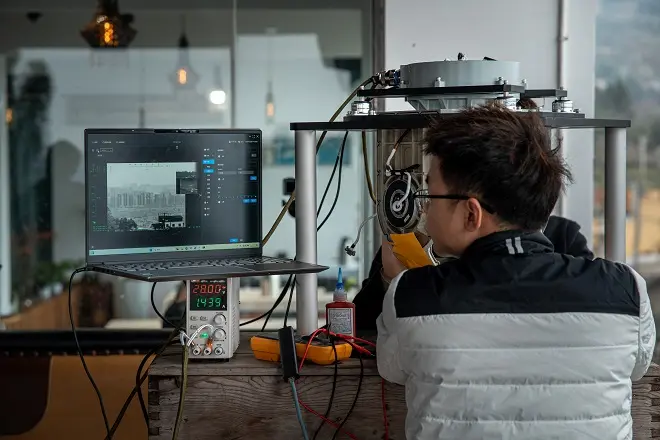
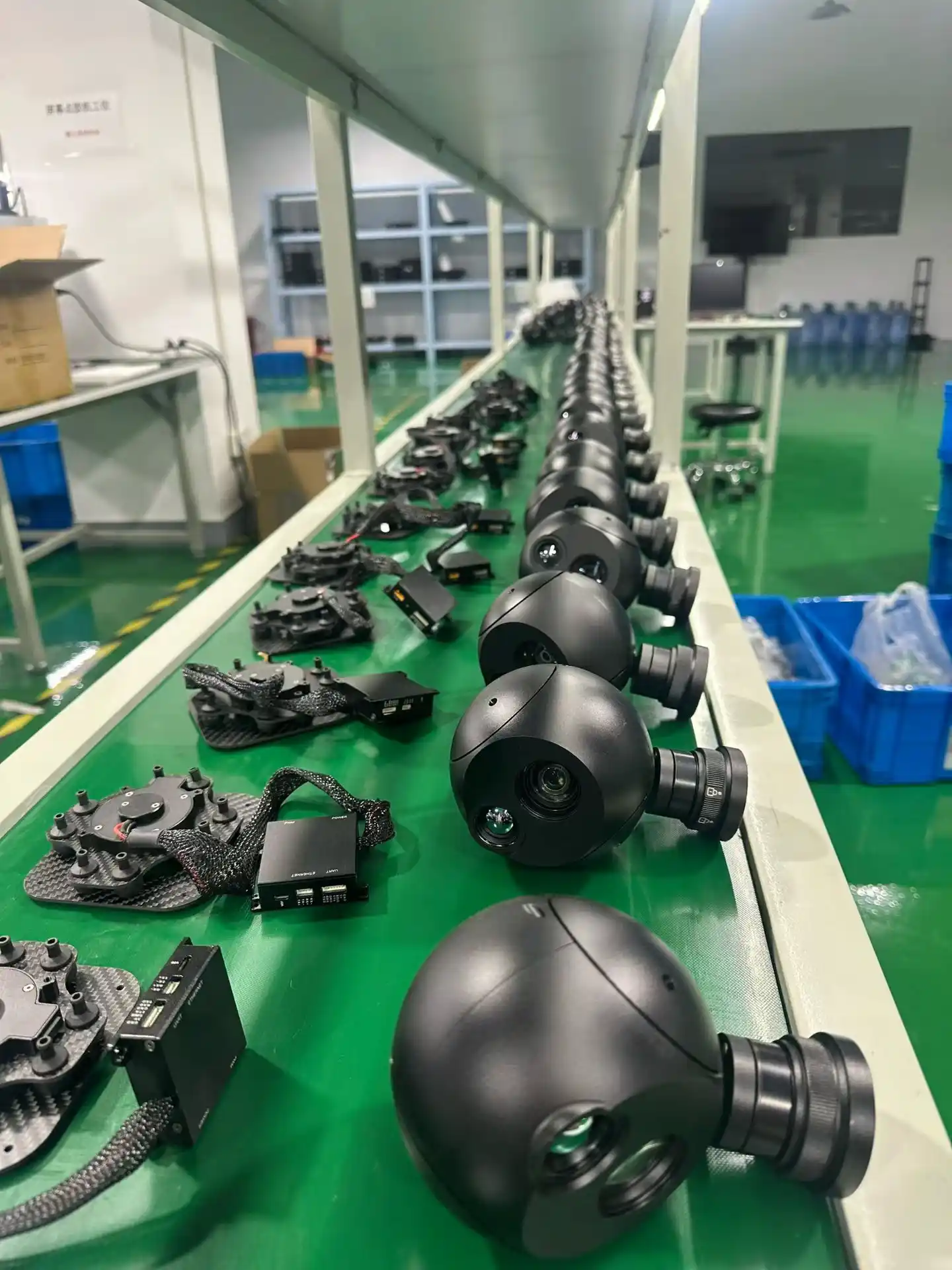
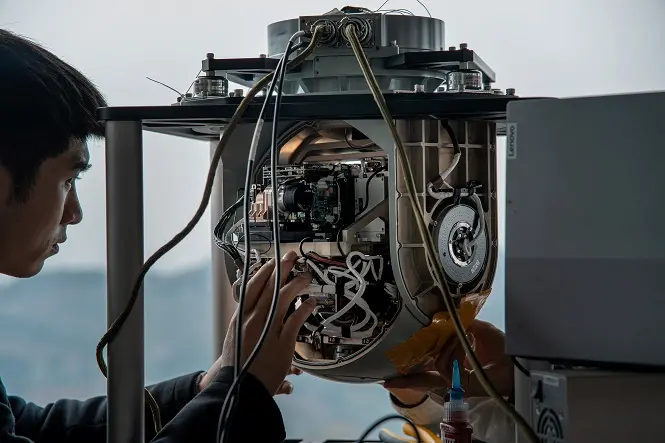
Optics, servo hardware, stabilisation firmware and the AI tracking module are developed in house, and every unit is assembled, calibrated and environmentally tested on our own line before it ships.

Request information or a quotation
Tell us the night requirement and the target size and we will confirm detector and lens. Contact us with your requirements.