
Airborne Laser Designator Pods for UAV and Helicopter Use
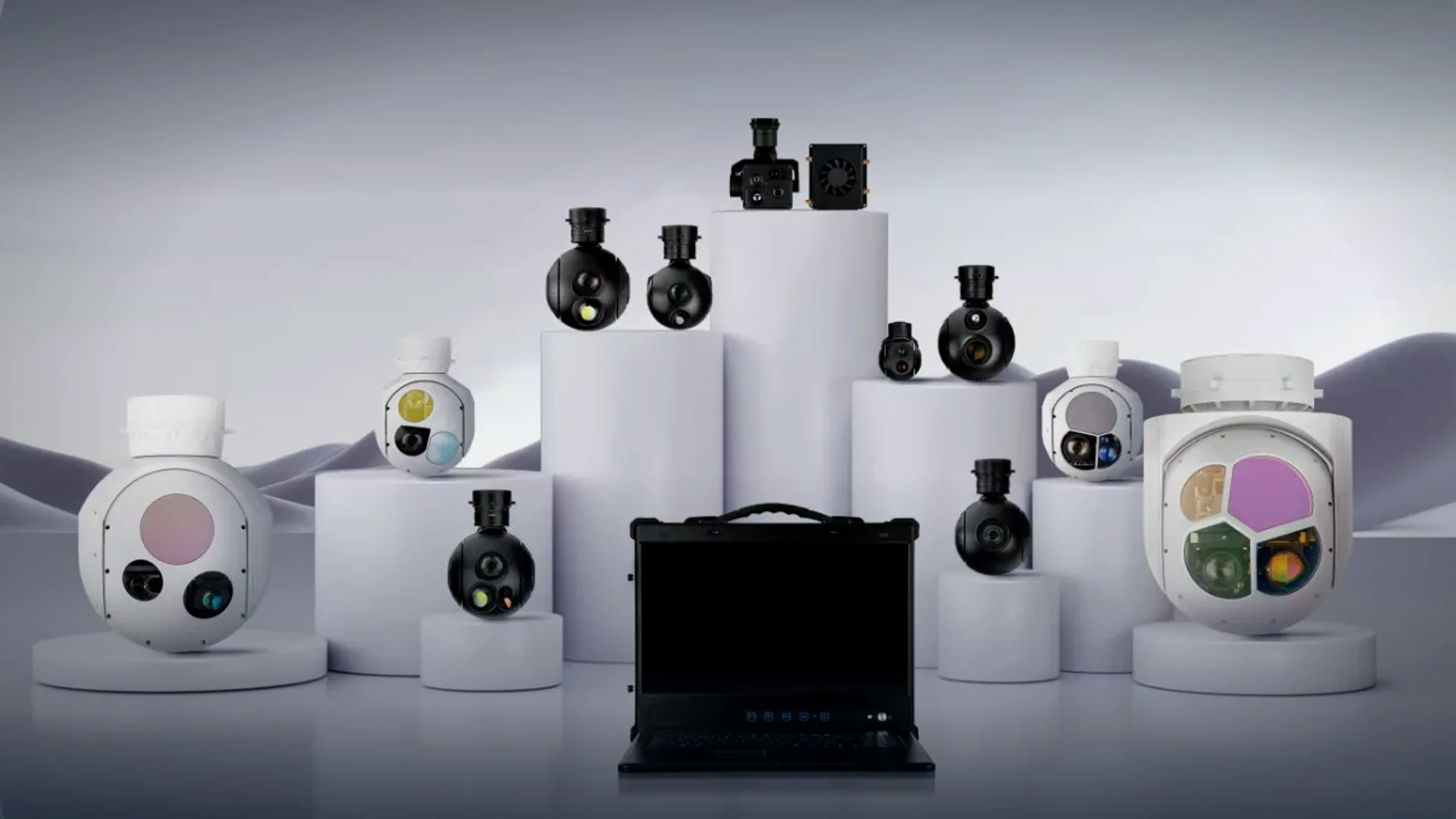
4 targeting pods · 2.5 kg – 22 kg
The SQ series adds a 1064 nm laser designator to the same stabilised imaging architecture, so an operator can illuminate a target and keep tracking it in daylight or thermal at the same time.
- 1064 nm designator
- Ranging to 10 km
- 2.5 kg – 22 kg
- 640 × 512 thermal
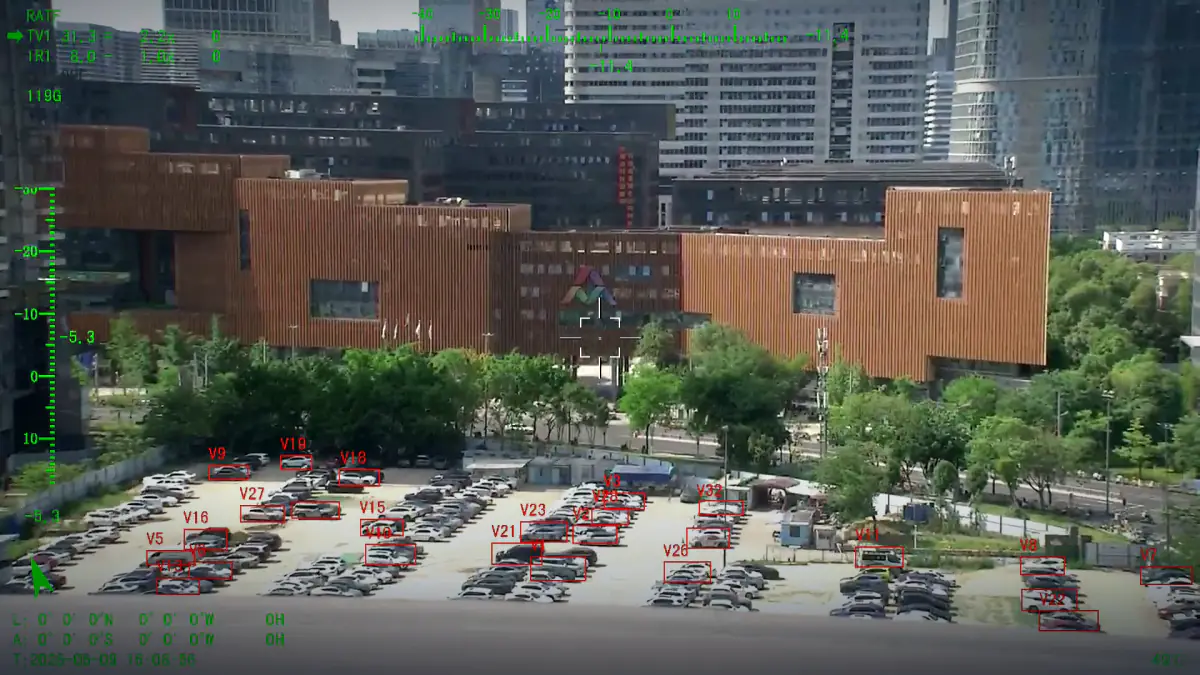
A laser designator pod illuminates a target so a semi-active seeker can find it, while the pod keeps tracking the same point in daylight or thermal. The SQ series adds a 1064 nm designator to the standard stabilised imaging architecture.
An airborne laser designator has to hold its spot on target while the platform manoeuvres, which makes beam pointing accuracy a function of the same servo loop that holds the image. A laser designation pod for a helicopter or a large fixed-wing aircraft is therefore specified by stabilisation accuracy, illumination time and ranging distance together. Each targeting pod below fires a coded pulse with a selectable frequency code and a minimum illumination time of 25 seconds.
Core capabilities
- Laser rangefinding
1535 nm or 905 nm rangefinders from 5 m to 3 km turn video into georeferenced target coordinates.
- Three-axis stabilisation
≤ 100 μrad stabilisation accuracy with ≥ 60°/s angular velocity isolates the line of sight from airframe motion.
- Uncooled thermal imaging
640 × 512 (up to 1280 × 1024) long-wave infrared with NETD (noise-equivalent temperature difference) ≤ 40 mK, boresighted to the visible channel.
- Multi-target tracking
Lock and follow 20 or more targets at once, with anti-occlusion and drift-resistant tracking.
- Onboard AI (artificial intelligence) detection
Person, vehicle, vessel and aircraft recognition runs locally, with no dependency on a data link.
- Built for the platform
11–28 VDC input, −20 °C to +60 °C operation and IP54 sealing for wind, dust and rotor wash.
4 models in the SQ series
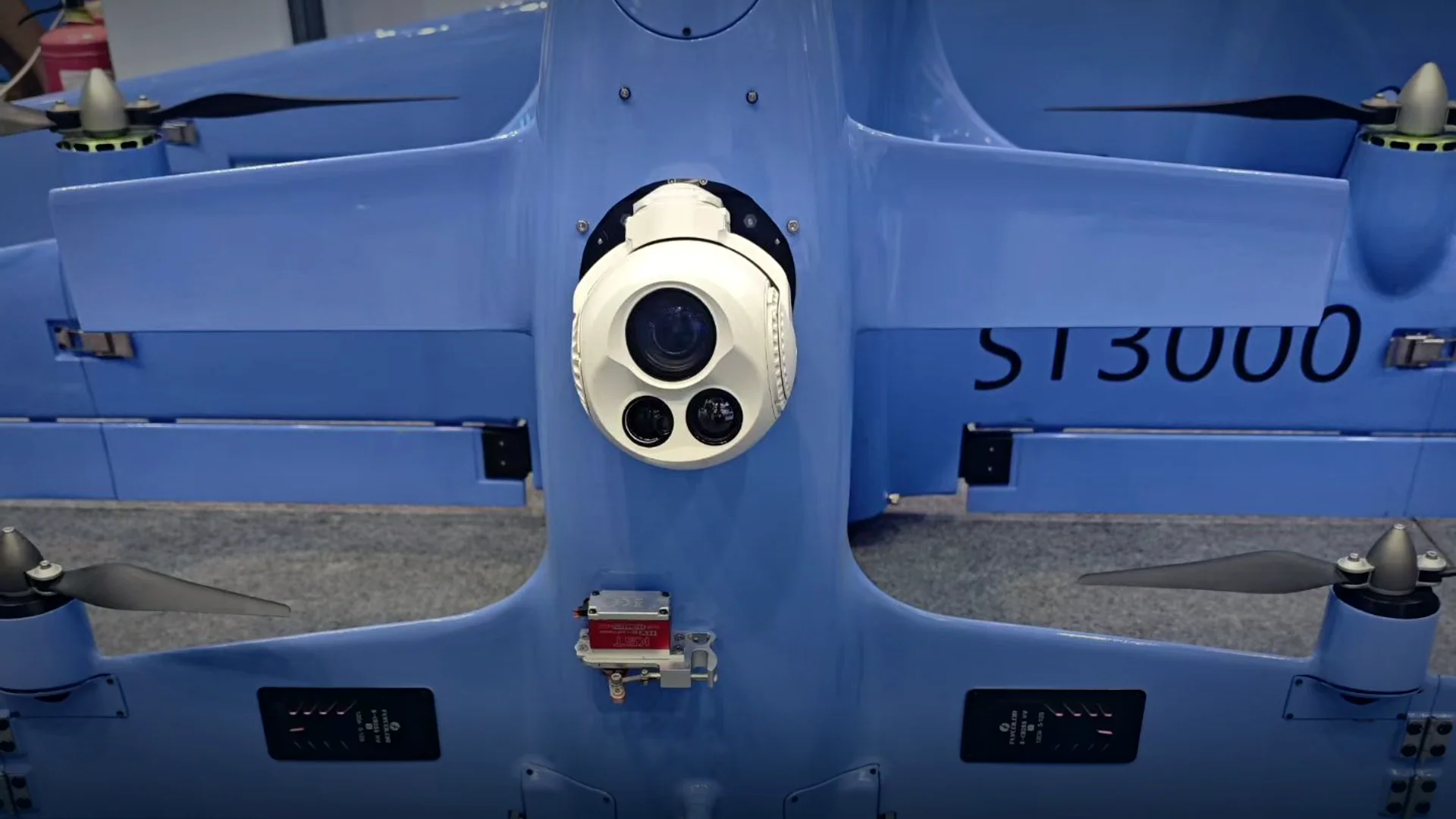
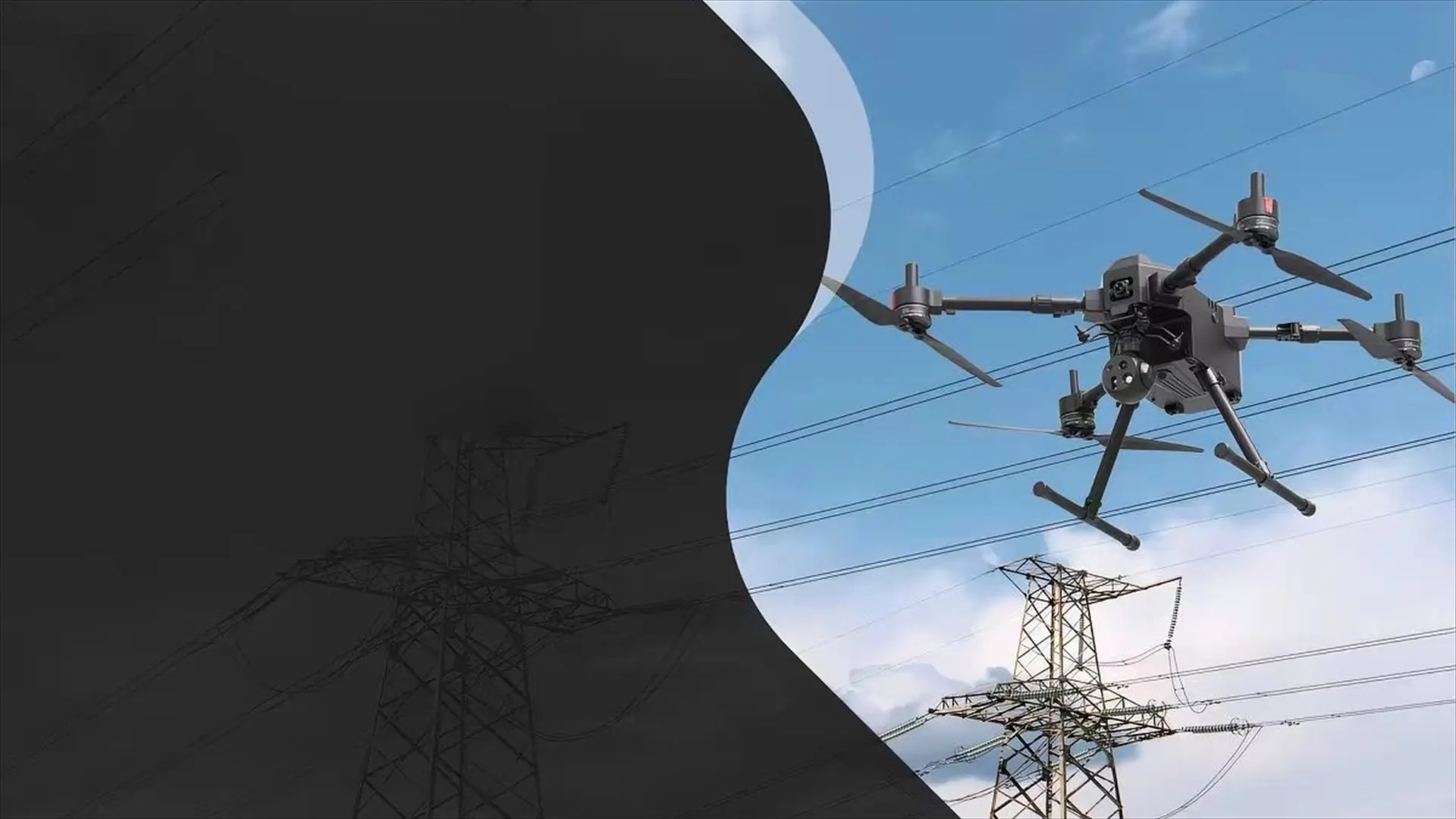
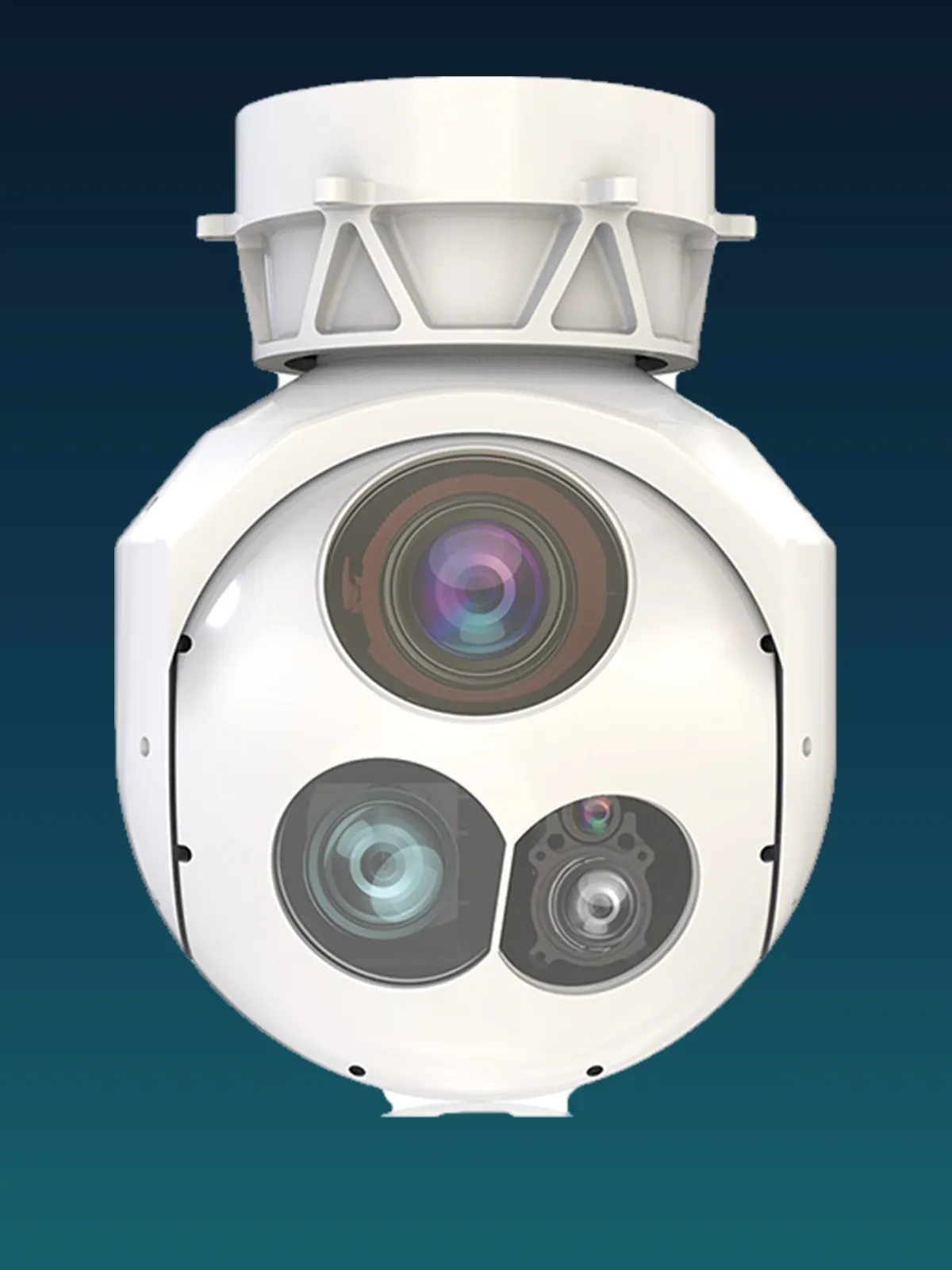
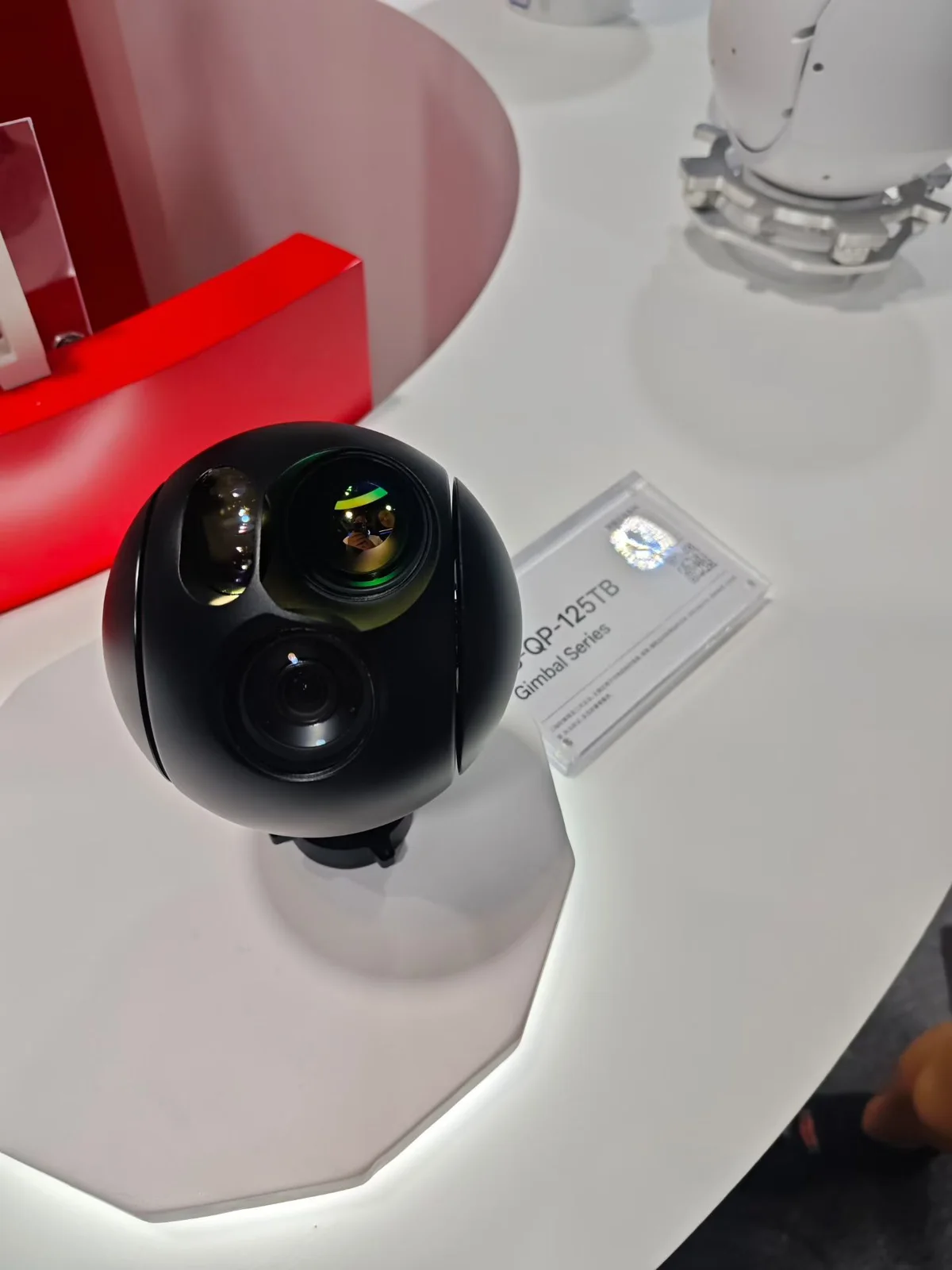
Four targeting pods, from a 2.5 kg unit for tactical UAVs (unmanned aerial vehicles) to a 22 kg turret for heavy platforms.
2-axis · EO + IR + LRF + designator
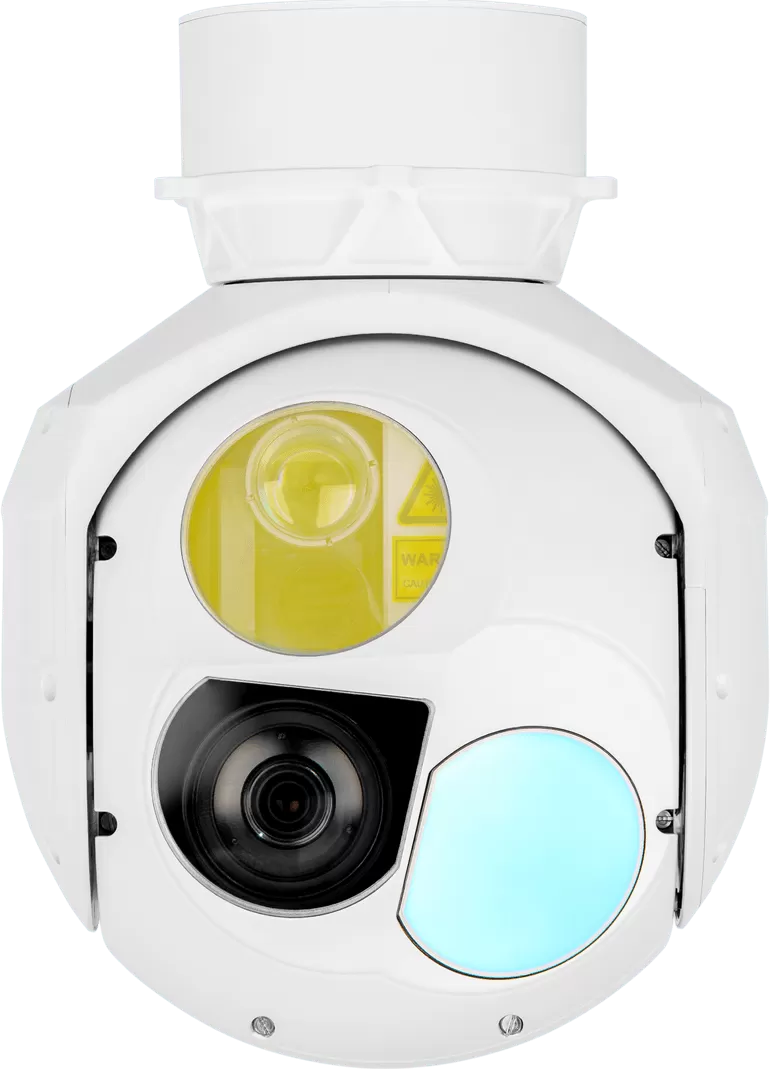
SQ-155T Laser Designator Pod OEM
A 2.5 kg targeting pod with 1064 nm designation and ranging from 120 m to 5 km.
- Visible
- 1920 × 1080, 30x zoom 4.3 – 129 mm
- Thermal
- 640 × 512, 35 mm fixed
- Laser
- 120 m – 5 km (± 1 m)
- Weight
- ≤2.5 kg
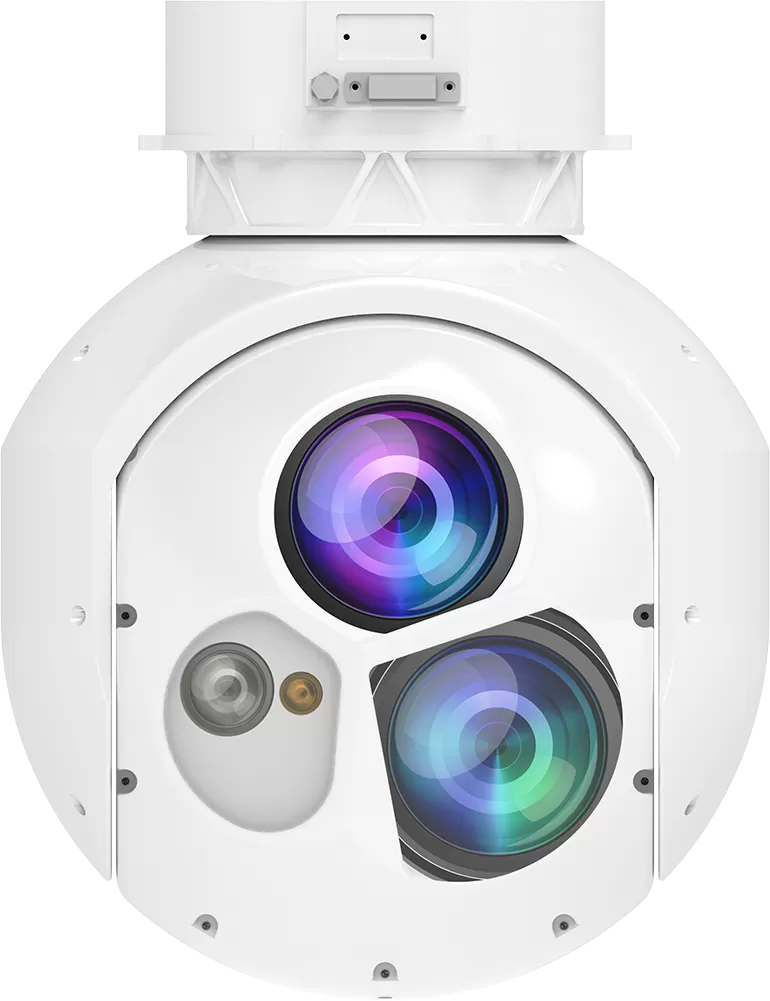
2-axis · EO + IR + LRF + designator
SQ-200T Laser Targeting Pod OEM
Laser designation plus 8 km ranging on a 5.5 kg two-axis pod.
- Visible
- 1920 × 1080, 30x zoom 4.3 – 129 mm
- Thermal
- 640 × 512, continuous zoom 40 – 220 mm
- Laser
- 300 m – 8 km (± 1 m)
- Weight
- ≤5.5 kg
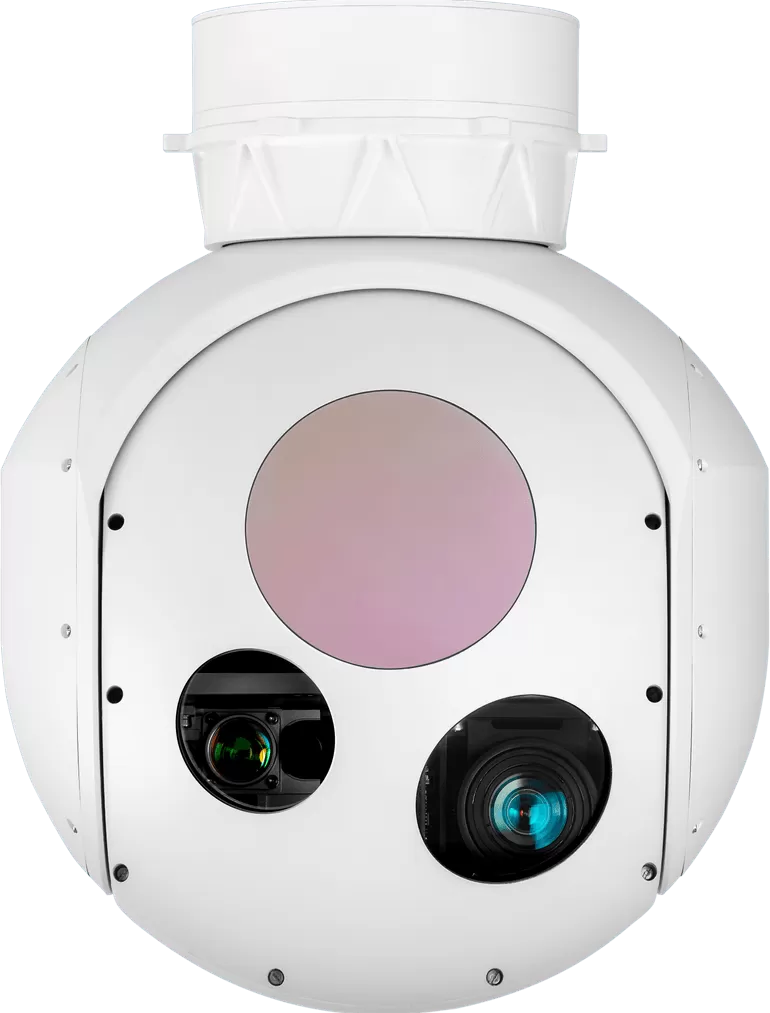
2-axis · EO + IR + LRF + designator
SQ-290T customized Laser Designator Pod
The long-range designator: 10 km ranging, a 300 mm thermal zoom and a 290 mm turret.
- Visible
- 1920 × 1080, 13x zoom 15 – 200 mm
- Thermal
- 640 × 512, continuous zoom 15 – 300 mm
- Laser
- 300 m – 10 km (± 1 m)
- Weight
- ≤15 kg
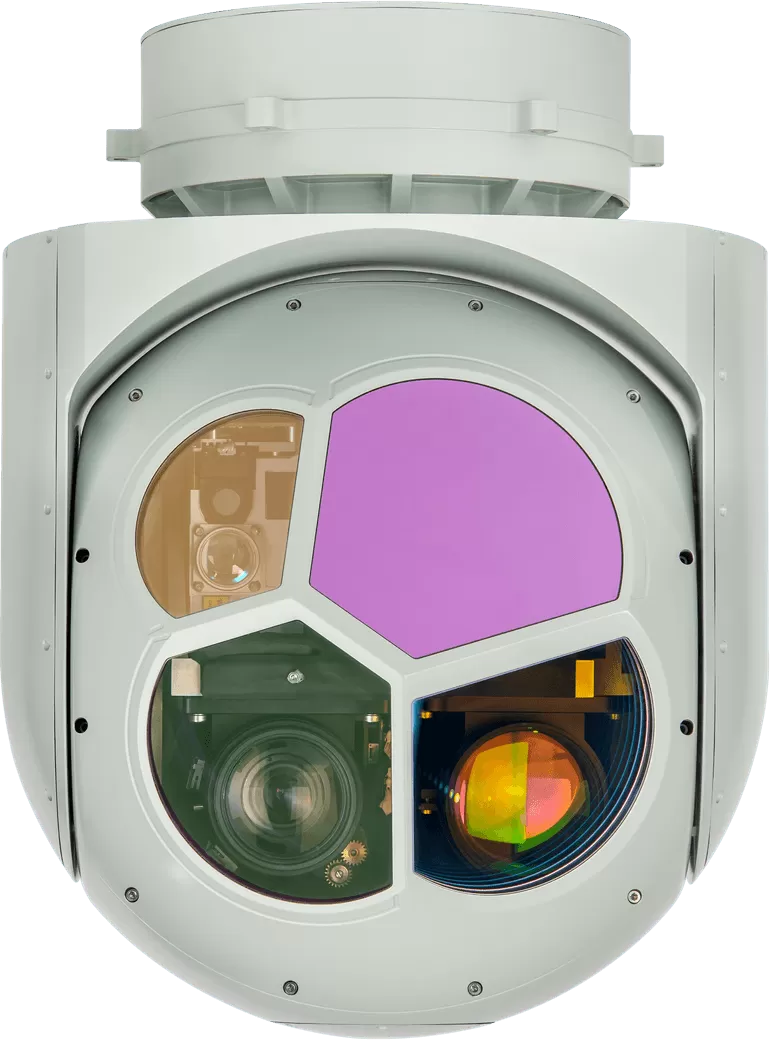
2-axis · EO + IR + LRF + designator
SQ-330Q Laser Designator Payload Supplier
The largest pod we build — a 330 mm turret and 22 kg of payload capacity for heavy platforms.
- Visible
- 1920 × 1080, 30x zoom 10 – 300 mm
- Thermal
- Dual 640 × 512, 300 mm + continuous zoom 15 – 330 mm
- Laser
- ≥ 15 km
- Weight
- ≤22 kg
Compare the range
| Model | Axes | Configuration | Visible camera | Thermal imager | Laser rangefinder | Weight |
|---|---|---|---|---|---|---|
| SQ-155T | 2-axis | EO + IR + LRF + designator | 1920 × 1080, 30x zoom 4.3 – 129 mm | 640 × 512, 35 mm fixed | 120 m – 5 km (± 1 m) | ≤2.5 kg |
| SQ-200T | 2-axis | EO + IR + LRF + designator | 1920 × 1080, 30x zoom 4.3 – 129 mm | 640 × 512, continuous zoom 40 – 220 mm | 300 m – 8 km (± 1 m) | ≤5.5 kg |
| SQ-290T | 2-axis | EO + IR + LRF + designator | 1920 × 1080, 13x zoom 15 – 200 mm | 640 × 512, continuous zoom 15 – 300 mm | 300 m – 10 km (± 1 m) | ≤15 kg |
| SQ-330Q | 2-axis | EO + IR + LRF + designator | 1920 × 1080, 30x zoom 10 – 300 mm | Dual 640 × 512, 300 mm + continuous zoom 15 – 330 mm | ≥ 15 km | ≤22 kg |
Engineering detail
Designation and ranging
The designator fires a coded 1064 nm pulse with a selectable frequency code and a continuous illumination time of 25 seconds or more, which is what a semi-active seeker needs to hold a lock.
Stabilisation under the designator
Beam pointing accuracy depends on the same servo loop that holds the image: ≤ 50 μrad stabilisation accuracy and ≥ 60°/s angular velocity keep the spot on target while the platform manoeuvres.
Airborne targeting pods: designation, ranging and thermal on one line of sight
Designation and range from the same aperture
An airborne targeting pod has to do two jobs at once: put a coded spot on the target and report how far away it is. On the SQ turret both come from the same stabilised head, so the 1064 nm designator, the 640 x 512 thermal channel and the rangefinder stay boresighted to each other while the aircraft manoeuvres.
Customers who come from the targeting side usually call the same unit a laser targeting pod. The hardware is identical; the difference is which role the programme puts first, designation for a semi-active seeker or ranging for a survey or fire-control task.
When the pod is part of a larger system
A laser rangefinder pod is often bought on its own, for survey, targeting support or gunnery work where no designation is needed. We quote it on the same turret and the same interface as the designation models, so a programme can start with ranging and add the designator later without changing anything on the aircraft side.
Where the customer needs the whole chain, we quote a laser designation system rather than a single unit: turret, interface documentation and the firmware build that matches the aircraft.
Designed and manufactured by HITS
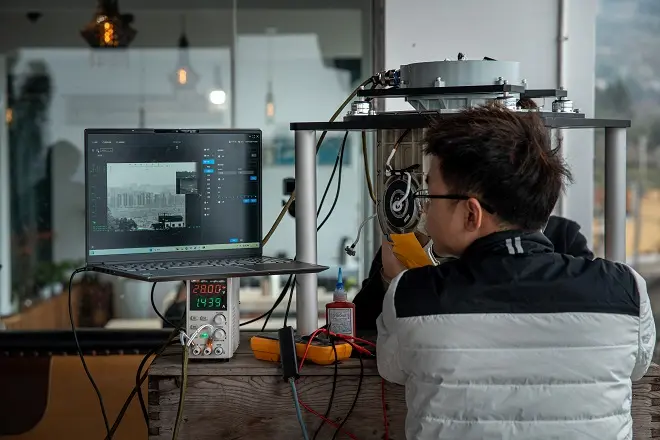
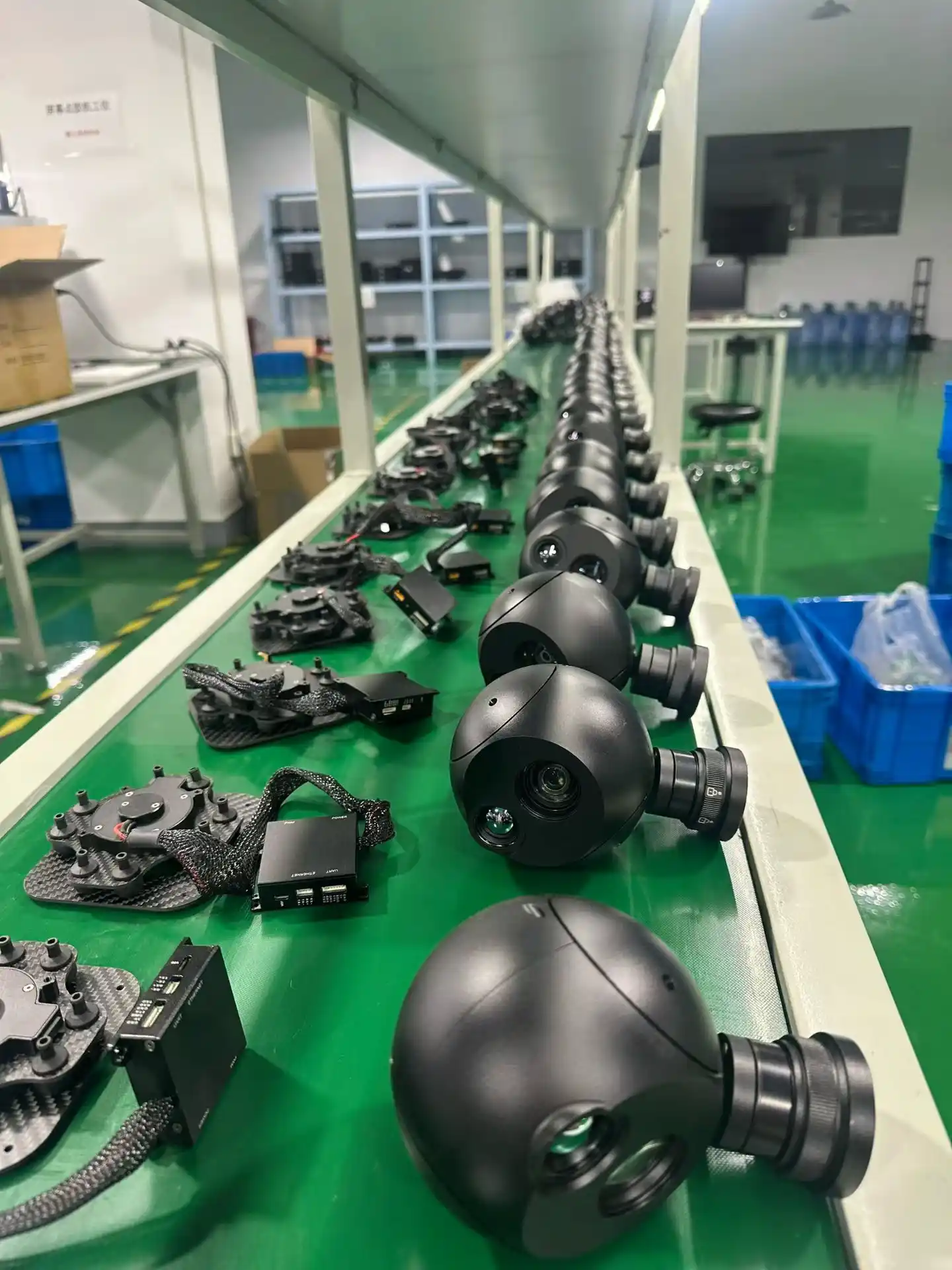
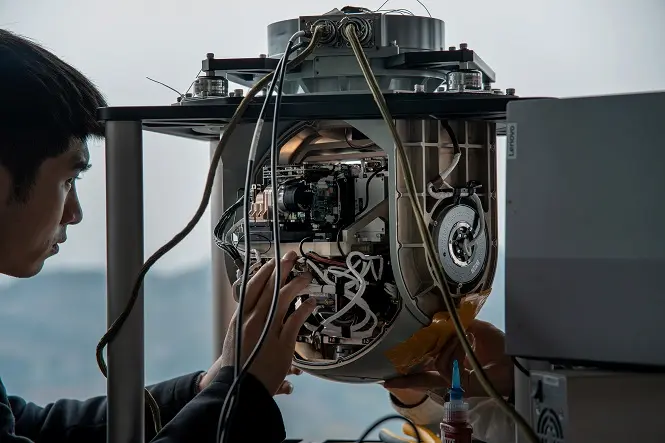
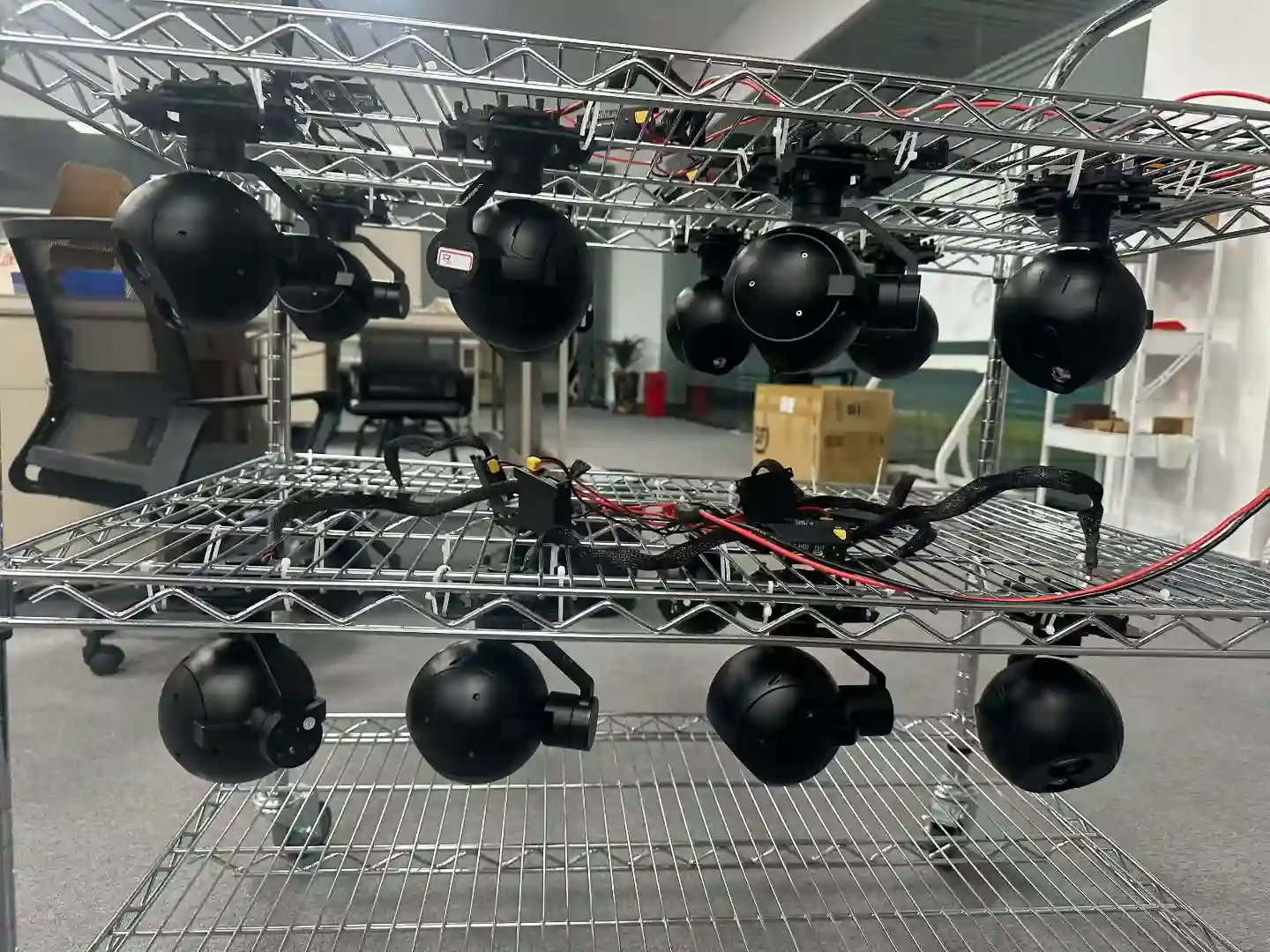
Optics, servo hardware, stabilisation firmware and the AI tracking module are developed in house, and every unit is assembled, calibrated and environmentally tested on our own line before it ships.
Request information or a quotation
Tell us the platform and the seeker you are working with and we will confirm the pod. Compare Supported Configurations with your requirements.