
Controlled payloads, declared properly, shipped legally.
Imaging payloads of this class sit inside export control regimes in most markets, and China controls the export of UAV (unmanned aerial vehicle) equipment and components. HITS is the licensed exporter itself: dual-use export licences are issued in the company’s own name and the export declaration is filed by the same organisation that builds the payload, so a project does not stall at the border after the hardware is built.
Export compliance statement available on request.
What actually ships.
Payloads travel in their transit case with the calibration report and control protocol document, and the export paperwork is prepared for the destination market alongside them. Check your destination →
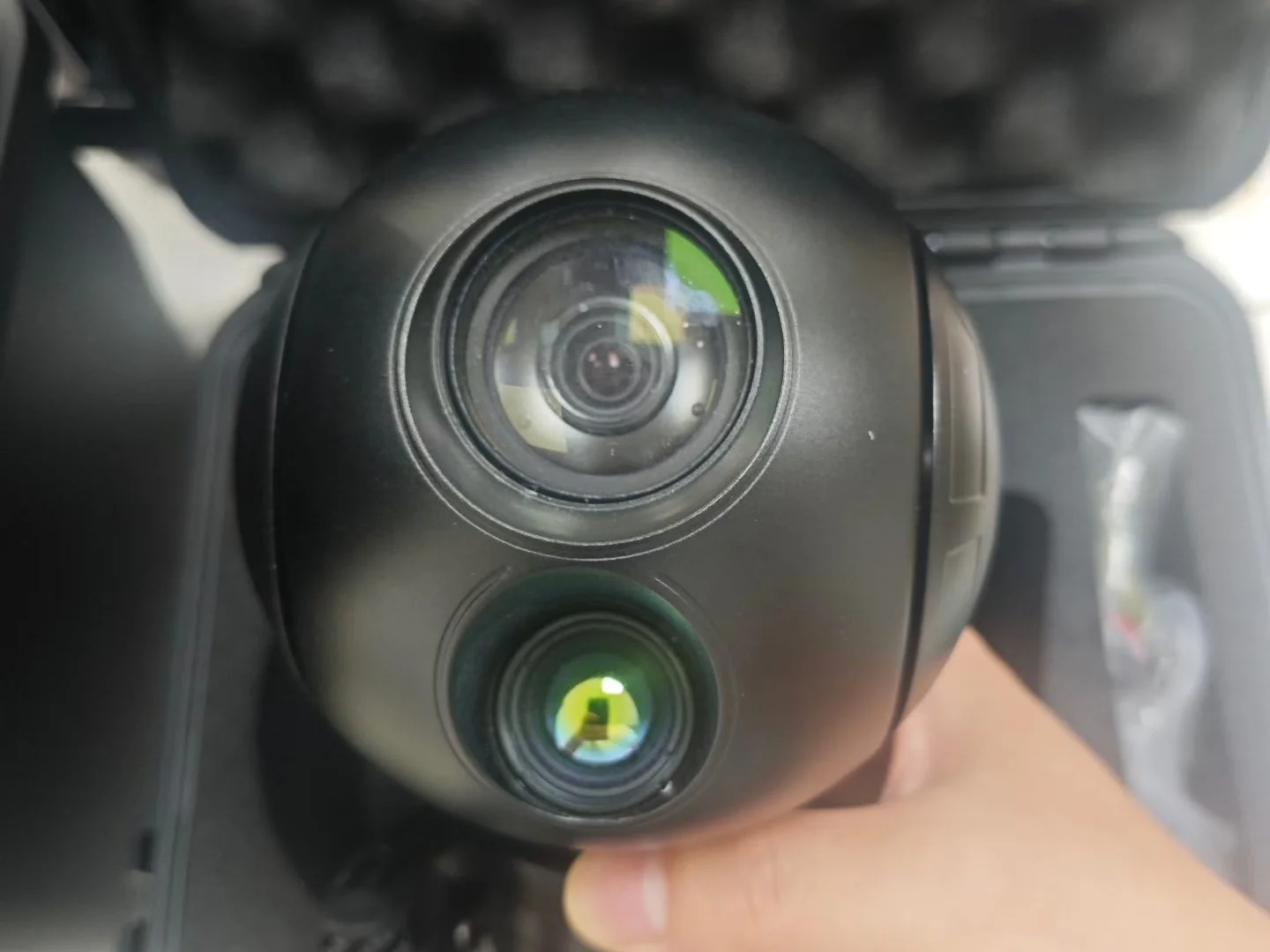
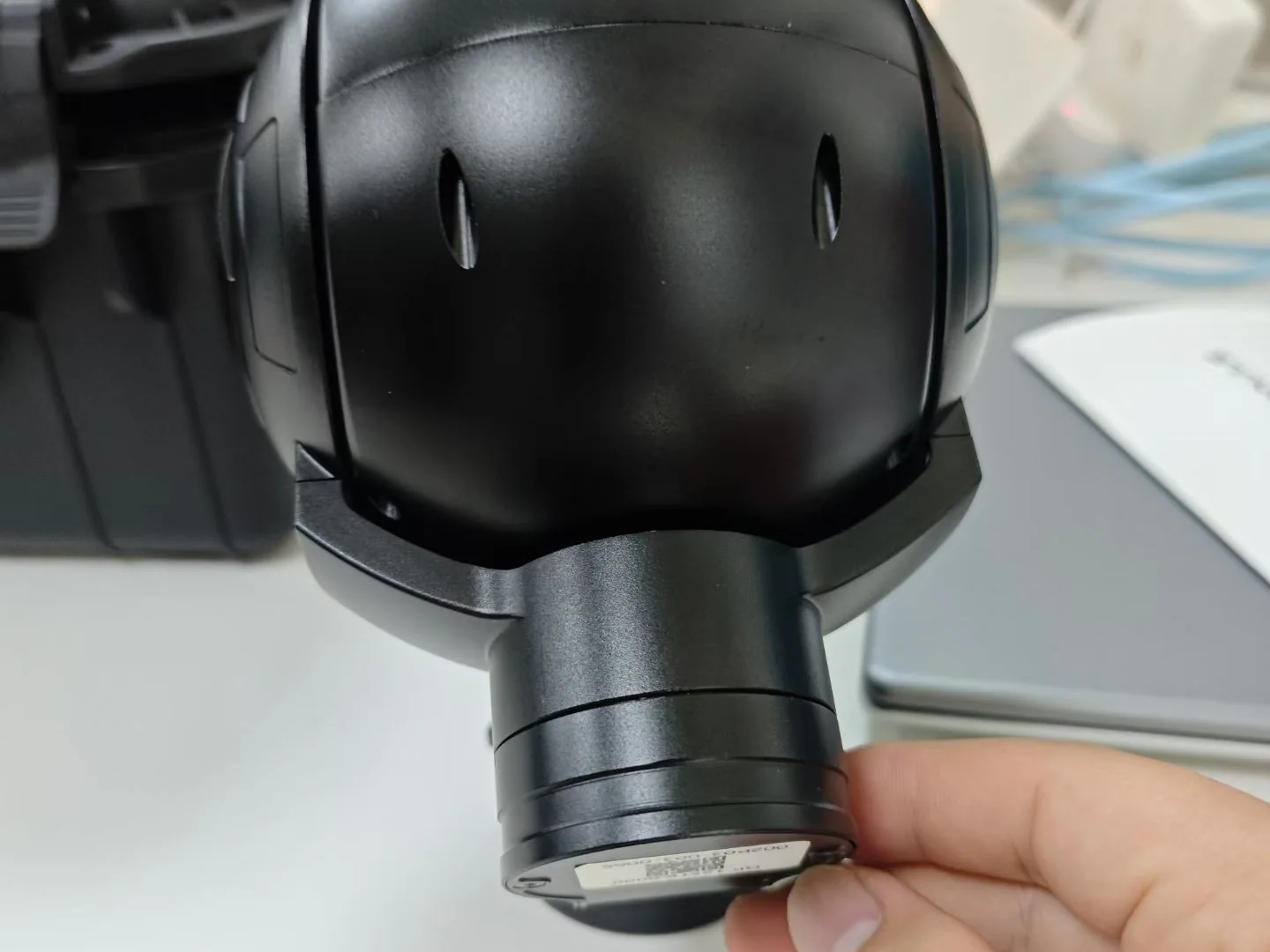
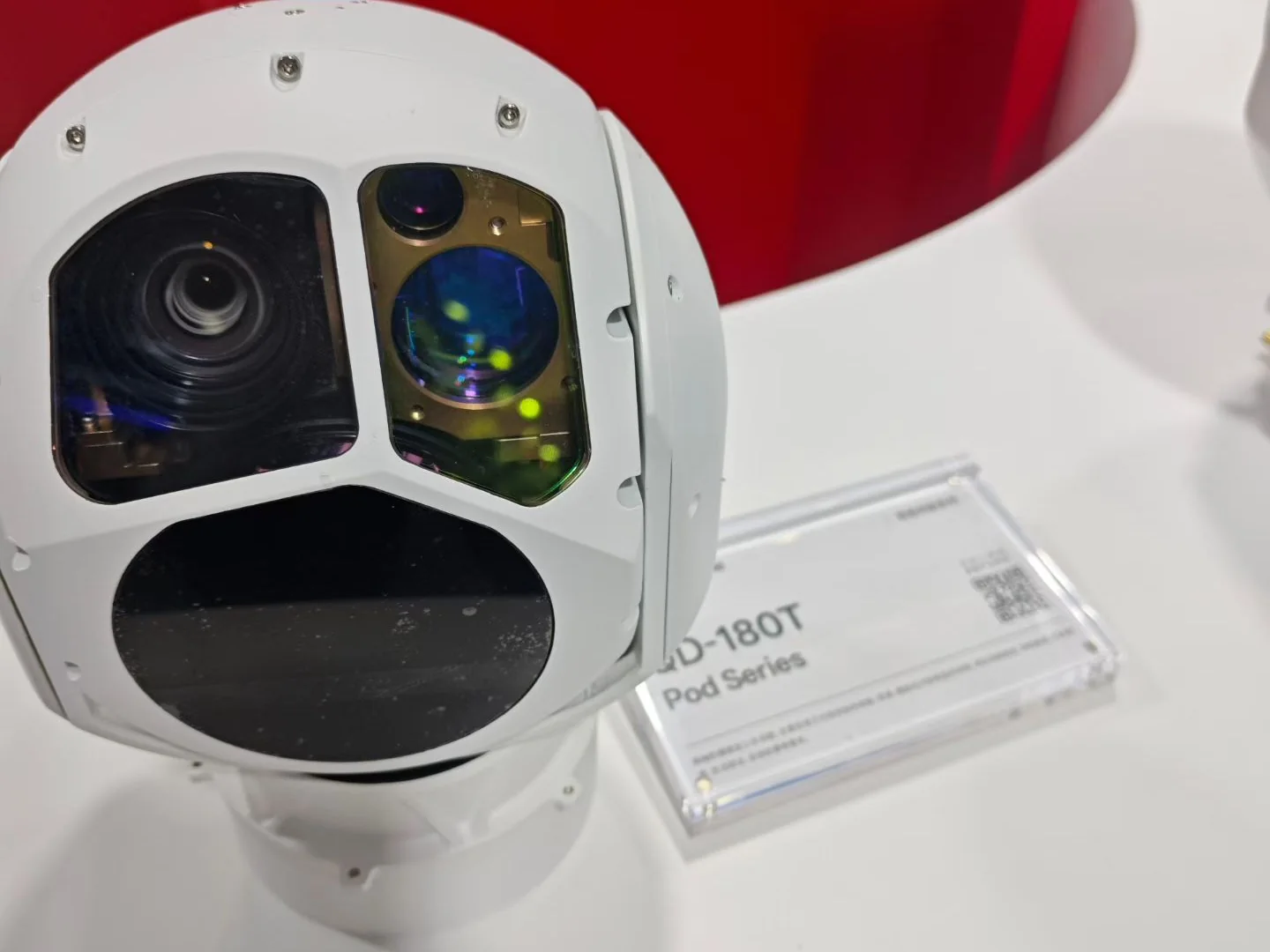
Most suppliers cannot answer the export question.
When a payload is classified as a controlled item, the ability to buy it legally matters more than a page of specifications. Projects are lost at the customs stage, not at the selection stage, because the supplier could not produce the licence, the classification or the declaration.
We treat that as an engineering problem rather than a paperwork problem. The payload is classified, the destination and the end use are assessed, the buyer documentation is defined, and the export declaration is filed by the same organisation that built the hardware — so the answers match the goods.
- Classification — confirmed against the item and its configuration, not against a generic category
- Destination and end use — assessed before the order is accepted
- Declaration — prepared and filed as part of the shipment

What we handle, and what you provide.
Export clearance is a joint process, and the licence sits on our side: HITS applies for the dual-use export licence and files the declaration, while your team supplies the end-user and import documents. Knowing which side holds each document is what keeps the schedule intact.
On our side
- Item classification against the configuration ordered
- Export licence application and declaration
- Commercial invoice, packing list and shipping documents
- Certificate of origin and compliance statement
- Coordination with the freight forwarder and carrier
On your side
- End-user statement: who will operate the payload and where
- Statement of the intended civil use
- Import licence or authorisation, where your market requires one
- Company registration and, for institutions, the project reference
- Any additional documentation your customs authority requests
The details that cause delays
- An operating area that does not match the declared end use
- A broker or forwarder who is not named on the documents
- Import authorisation applied for after the hardware is ready
- A configuration changed after classification
How a destination is assessed.
Every enquiry is assessed on the item, the destination and the end use together. The position for your specific order is confirmed in writing before the order is accepted.
| Assessment | What decides it | What it means for the order |
|---|---|---|
| Item classification | The optical and functional capability of the configuration ordered — sensor type, focal length, rangefinder and designation capability | Determines whether an export licence is required and which declaration applies |
| Destination | The destination country and any applicable embargo, sanction or end-use restriction | Confirmed before the order is accepted; some destinations cannot be served |
| End user and end use | The operator, the stated civil use and the operating area | Determines which end-user documentation is required and how it is worded |
| Documentation set | The combination above, plus the import requirements of your market | Issued as a written list with the quotation, so nothing is discovered late |
| Declaration | The final configuration and the final consignee | Filed with the shipment; changes after classification are re-assessed |
Six steps from enquiry to shipment.
The export route runs alongside the technical conversation rather than after it, so the two finish together.
Enquiry and configuration
Platform, mission, configuration and destination are captured together. The destination is part of the requirement, not an afterthought at the shipping stage.
Classification and destination check
The configuration is classified and the destination and end use are assessed. If the item or the destination cannot be served, you are told here — before any engineering time is committed.
Quotation with the document list
The offer states the configuration, the price, the schedule and the exact documentation the buyer must provide, so the administrative path is visible from the start.
End-user documentation
The buyer’s end-user statement, intended civil use and any import authorisation are collected and checked against the declared end use.
Licence application and declaration
The export licence is applied for and the customs declaration is prepared against the final configuration and the final consignee.
Shipment and records
The unit ships with its calibration report, inspection record and the compliance documentation for the destination market, and the export records are retained.
Civil and dual-use supply.
HITS supplies stabilised imaging payloads for civil and dual-use applications: infrastructure and asset inspection, maritime and offshore observation, border and perimeter monitoring, search and survey work, and integration into UAV platforms built by other manufacturers.
Every shipment is declared in accordance with the export control rules that apply to the item and to the destination. Where an end-use restriction, an embargo or a destination requirement prevents a sale, the enquiry is declined.
How an item is classified before it ships.
Chinese export control sorts every item into one of three categories. The category decides which authority reviews the application and which markets may be served.
Civilian items
Reviewed by the Ministry of Commerce (MOFCOM) under standard export approval, then supplied to civilian end users overseas with the usual commercial documents.
Dual-use items
Reviewed by MOFCOM when the end use is civilian. Where the end use is military, the application moves to a separate national authorisation route.
Military items
Reviewed by the Central Military Commission Equipment Development Department and handled only through state-authorised military trading companies.
- Military-designated items never go to civilian markets. The civilian route cannot be used for an item classified as military.
- Dual-use items do not reach military end users through the civilian route. A military end use needs the separate authorisation, not a standard export approval.
- Military-category projects begin with a government letter. The end user applies to its own Ministry of Defence, which sends a procurement intention letter to China’s Ministry of National Defence before the application can proceed.
What changes on 18 November 2026.
Announcement 2026 No. 49, issued on 19 October 2026 by the Ministry of Commerce, the General Administration of Customs and the Central Military Commission Equipment Development Department, revises the UAV entries in the dual-use control list. It takes effect on 18 November 2026, and the list is updated on the same date.
Two points concern payload buyers. First, technology for developing, producing or using a controlled stabilised payload is listed in its own right (7E103.a), alongside mission payload technology for controlled autopilots (7E103.b). Technical documents, interface specifications, control software and drawings therefore sit inside the same assessment as the hardware. Second, the customs declaration for each shipment states in the remarks field whether the goods fall within the list.
Announcement 2026 No. 52, issued the same day, sets out the customs question and identification procedure. Where a shipment is questioned, the exporter answers within seven working days with the contract, invoice, transport documents, a written statement of performance and end use, and the supporting technical data. The goods are not released while the question is open. The assessment runs to fifteen working days, with a further fifteen where expert identification is required.
Markets we do not serve.
We do not participate in NDAA-restricted programmes (US National Defense Authorization Act).
We also do not supply the United States, Japan, Israel, the Philippines, Myanmar or the Taiwan region. Other destinations are assessed case by case before an order is accepted.
Classification is decided item by item and destination by destination. This summary is for orientation and does not replace the licence assessment for a specific order.
A written export compliance statement is available on request for your procurement file.
Questions about export and documentation.
Do you hold a licence to export UAV imaging payloads?
Yes. HITS holds the export licence required for its imaging payloads and files the export declaration directly rather than routing it through a third party. A written export compliance statement can be provided for your procurement file, and the applicable licence is confirmed for the specific configuration and destination you are ordering.
Can you tell me before I order whether you can ship to my country?
Yes, and we will. Send the destination and the intended civil use with the enquiry and you will get a position in writing before the order is placed. Some destinations cannot be served at all; it is better to establish that at the enquiry stage than after a purchase order.
What documents will I need to provide?
In most cases an end-user statement naming the operator and the operating area, a statement of the intended civil use, and your company or institution registration. Where your market requires an import licence or authorisation, that is added to the list. The exact set for your order is confirmed in the quotation.
Does a destination or end-use restriction apply to civil buyers too?
It can. Export control regimes can restrict a destination or an end use regardless of who the buyer is, and the assessment is made on the item, the destination and the end use together. We will tell you which of those is the deciding factor in your case.
What happens if the configuration changes after classification?
It is re-assessed. A change of sensor, focal length, rangefinder or designation capability can change the classification of the item, so the position is confirmed again for the delivered configuration. This is one reason we prefer to fix the configuration before the licence is applied for.
Can you supply the documentation in English?
Yes. The commercial invoice, packing list, certificate of origin, compliance statement and the technical documentation are issued in English, so your customs broker and your procurement file can work from the same set of documents.
The licence is issued
per shipment.
A Chinese dual-use export licence is applied for against one specific order, so the licence number, the goods description, the quantity, the consignee and the destination change with every shipment. The layout below shows the fields we complete for each order, using placeholders instead of a real consignment.
| 1. Exporter | [exporter of record] | 3. Export licence no. | [issued per order] |
|---|---|---|---|
| 2. Consignor | [shipping entity] | 4. Licence expiry date | [set by the licence] |
| 5. Terms of trade | General trade | 8. Country or region of purchase | [destination market] |
| 6. Contract no. | [your order reference] | 9. Payment | [agreed payment terms] |
| 7. Place of clearance | [departure customs] | 10. Mode of transport | [air / road / sea] |
| 11. Consignee | [consignee] | 13. End-user | [end user] |
| 12. Date contract signed | [date] | 14. Destination | [final destination] |
| 15. Description of goods | [payload model and description] | ||
| 16–21. Goods lines | [specification, unit, quantity, unit price and amount, one line per model] | ||
| 22. Total | [total quantity and total value] | ||
| 23. Supplementary details | [control code] | 24. Issuing authority stamp | [stamped and dated on issue] |
| 25. Licence date | [date of issue] | ||
- Before the order — we confirm whether the model and destination fall under licence control, and which classification applies
- At the order — the licence is applied for against your contract, consignee and destination, and the shipment waits for the licence rather than leaving on a promise
- With the shipment — the export declaration and a redacted licence copy go with the goods, so your customs broker has what is needed on arrival
Who signs the export declaration.
Compliance is easier to trust when the exporter and the manufacturer are the same company. These are the company-level credentials held by the group that owns the HITS payload programme.

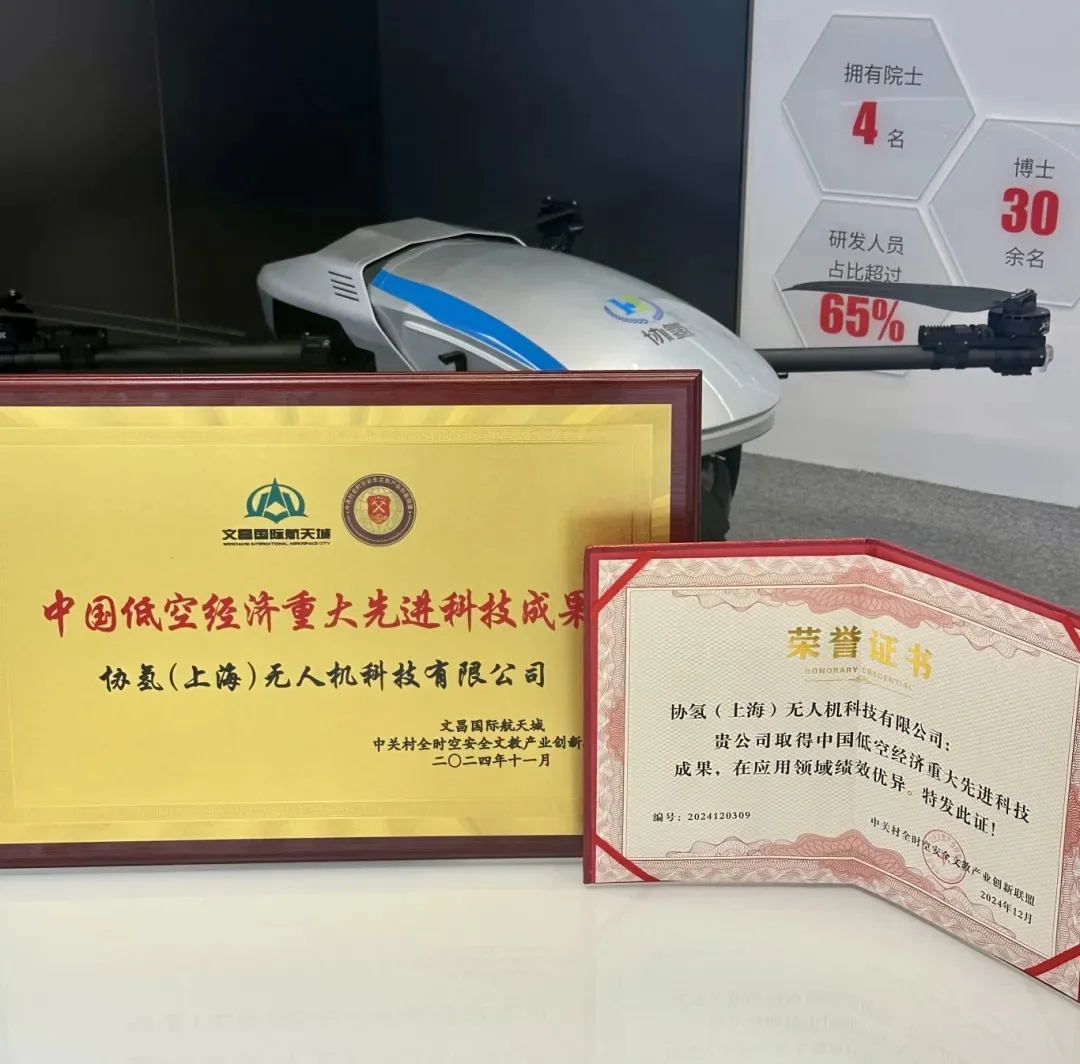
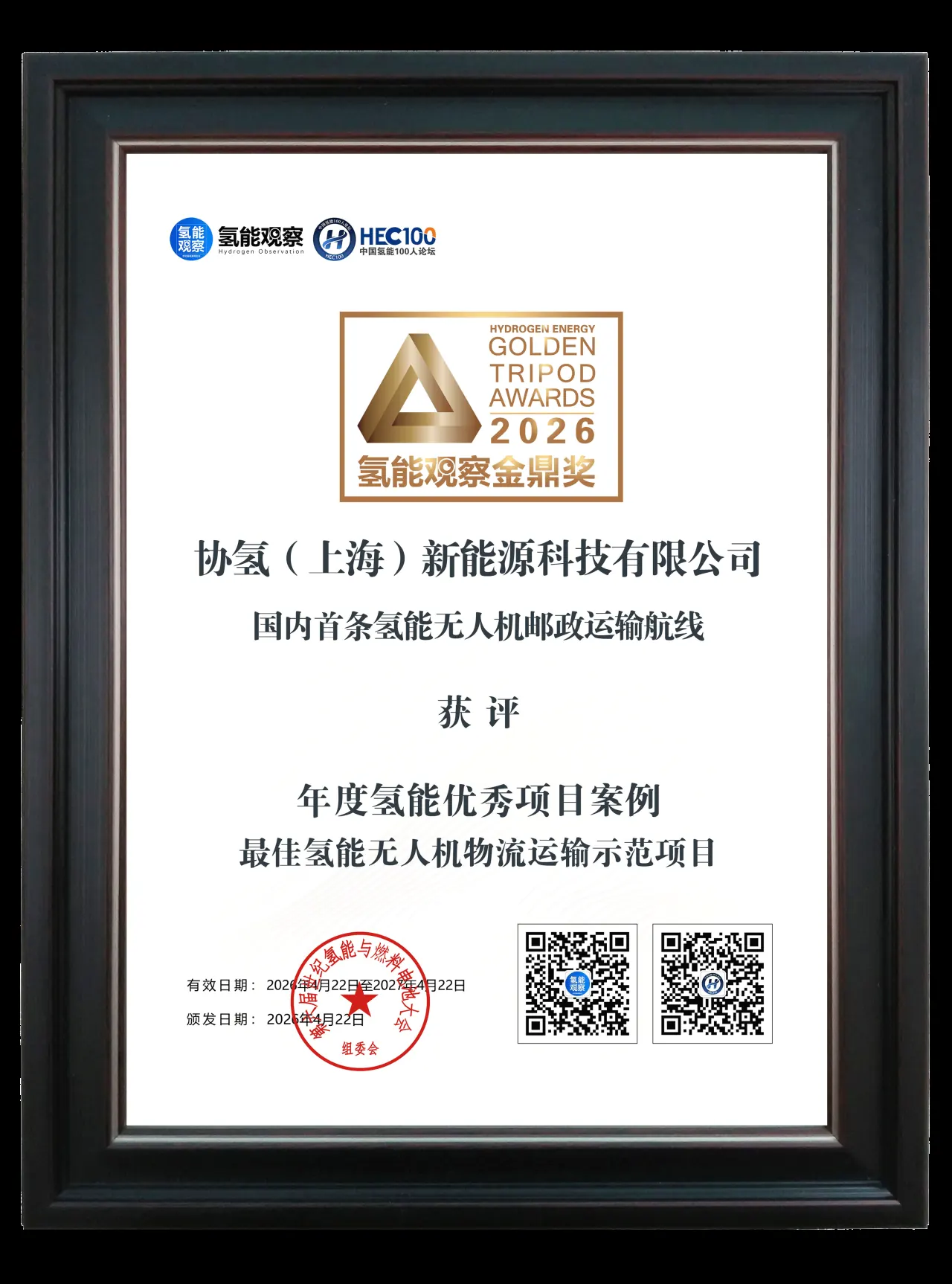
- Supplied with a quotation — export compliance statement, classification note for the selected model, and the CE and RoHS declarations that apply
- Shown during evaluation — business licence, and the finished-unit inspection record from the quality-control process
- Shared under NDA — copies of the export licence held for the shipment, with the commercial fields redacted
Check your destination before you specify the payload.
Send the country, the end user and the intended civil use, and we will confirm what is required.