

Industrial UAV cameras.
Engineering at the core.
We bring research, development and manufacturing together to create UAV (unmanned aerial vehicle) cameras and imaging payloads for professional systems.
Your industrial UAV
camera manufacturer.
HITS is a technology company focused on industrial UAV cameras and imaging payloads. We work with UAV manufacturers, system integrators, distributors and project teams that need an imaging system suited to a specific platform and mission.
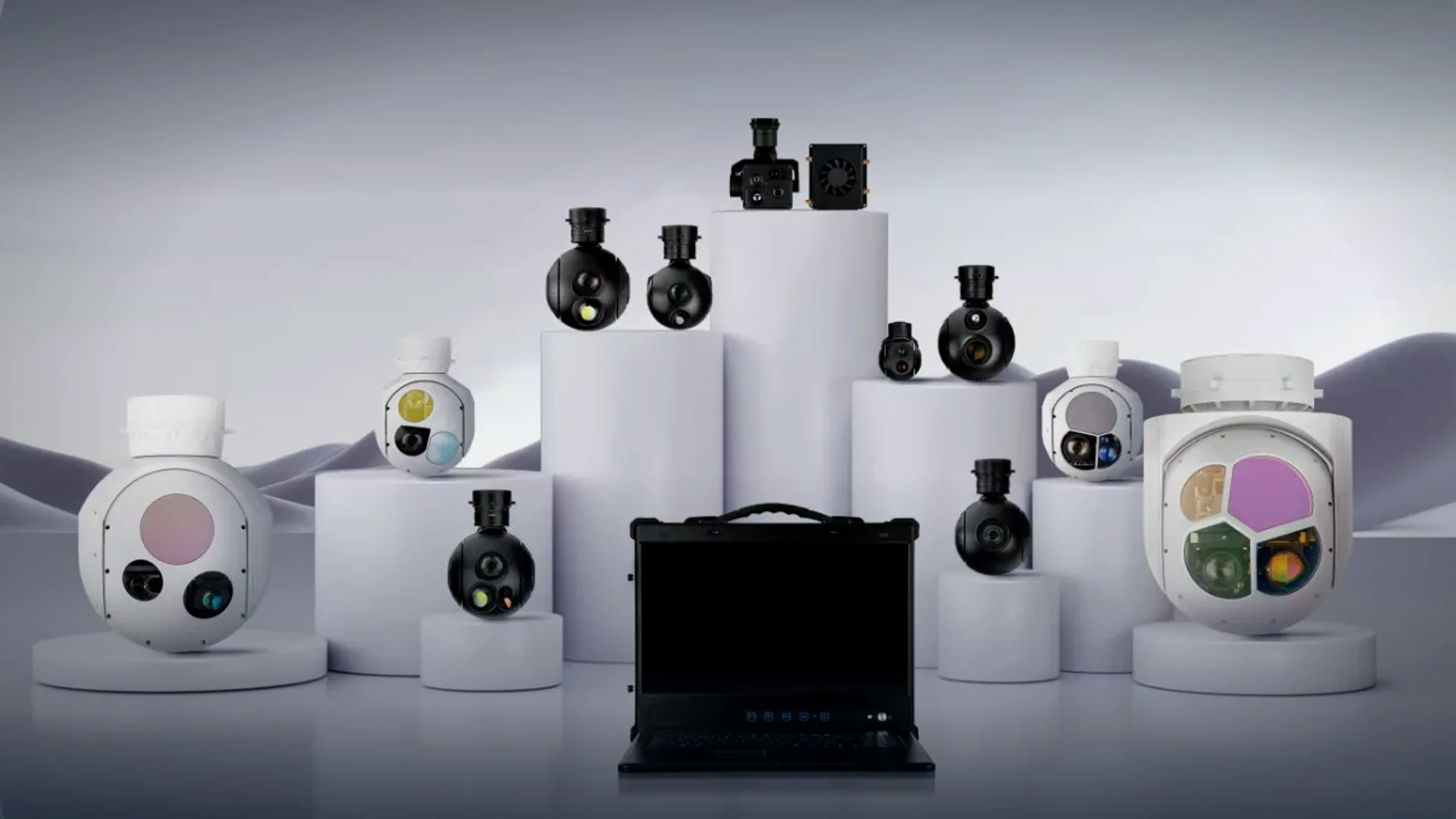
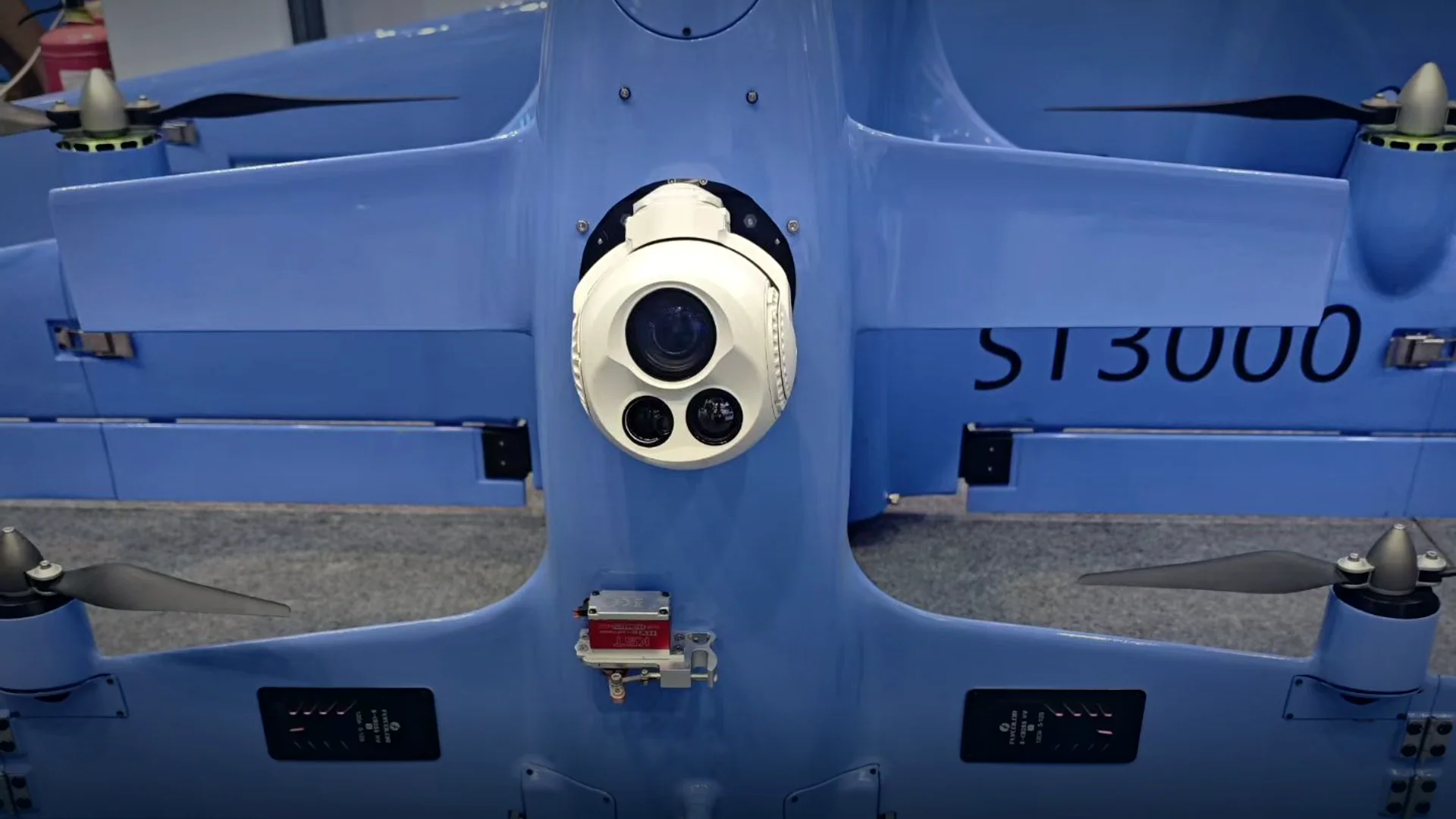
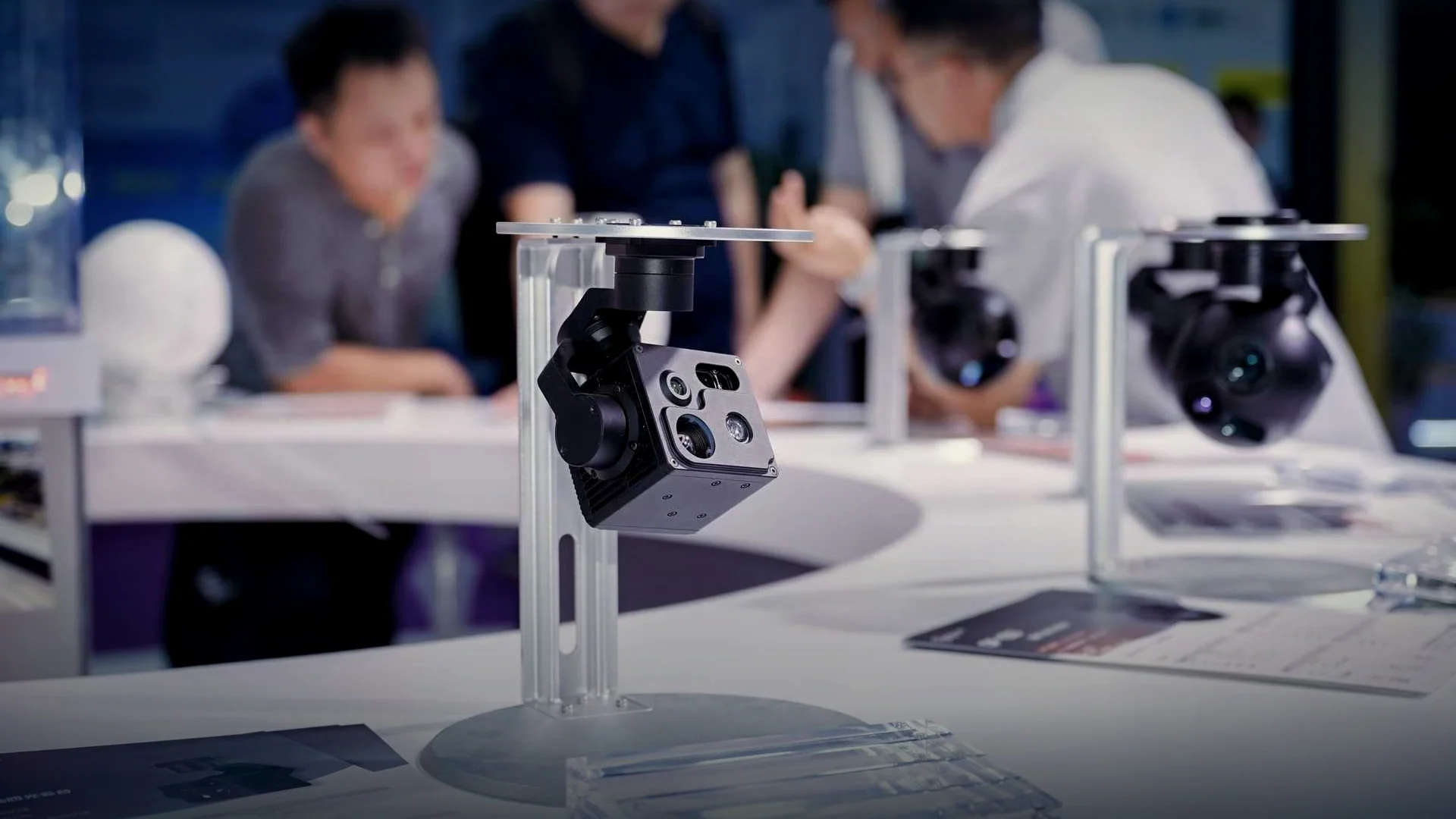
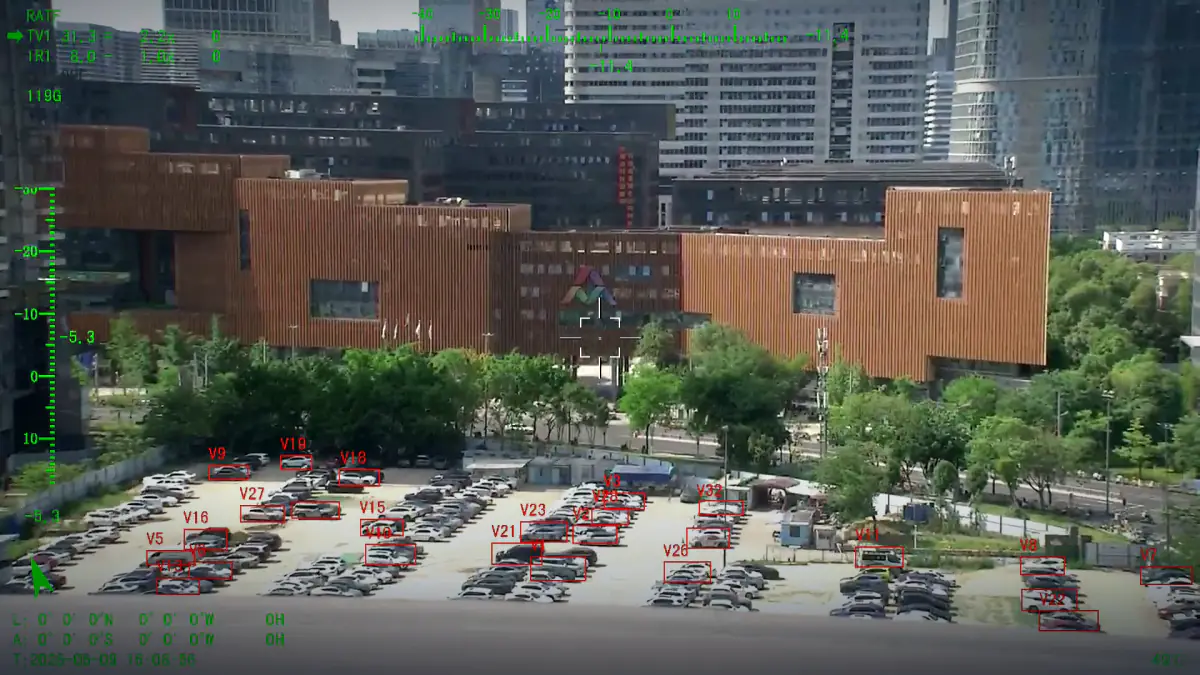
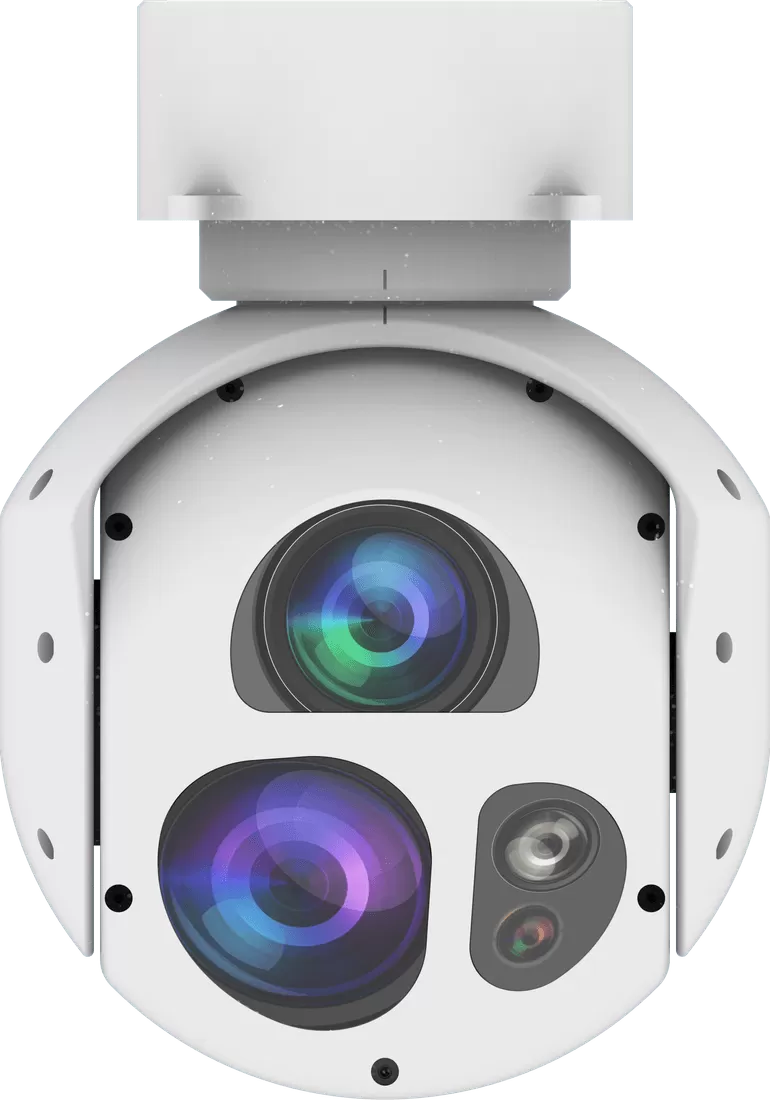
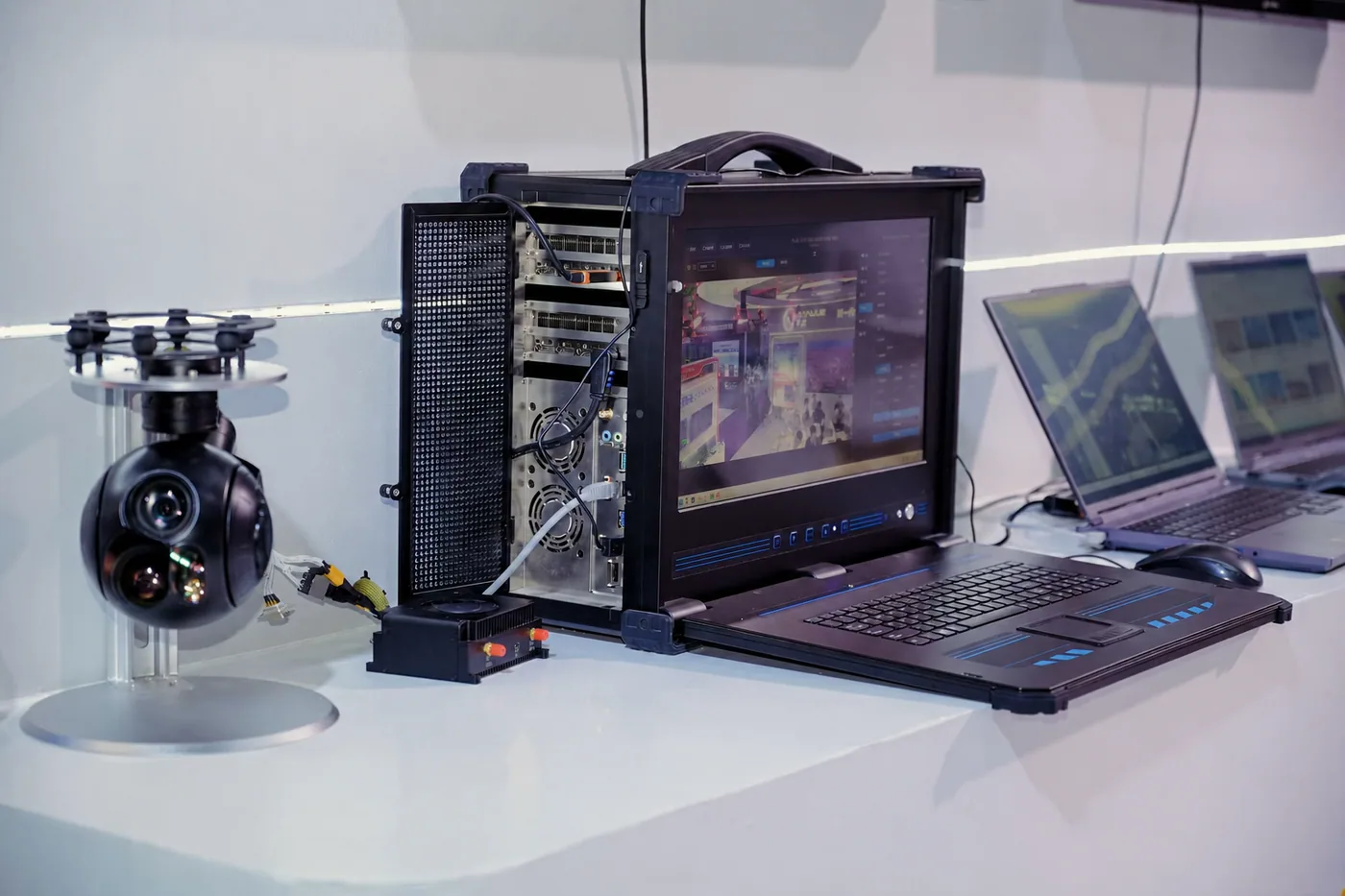
Our portfolio spans visible-light cameras, thermal imaging options, stabilised gimbals and EO/IR (electro-optical/infrared) payloads. Selected configurations also offer laser rangefinding and AI (artificial intelligence) capabilities.
Our work starts with understanding the aircraft and the operator. What must the camera capture? How will it be controlled? How will it connect to the rest of the system?
HITS is the UAV imaging payload business of the HITS New Energy group, registered as HITS Hydrogen Power Technology Co., Ltd. Group engineering in hydrogen fuel cells and power systems dates back to 2003, and today covers fuel cells, hydrogen-powered aircraft and the payload electronics used in our cameras. Headquarters and fuel-cell research are in Shanghai, the drone research centre is in Shenzhen, and production runs across three bases in Chizhou, Zaozhuang and Zhangjiagang.
See how our payloads
are built.
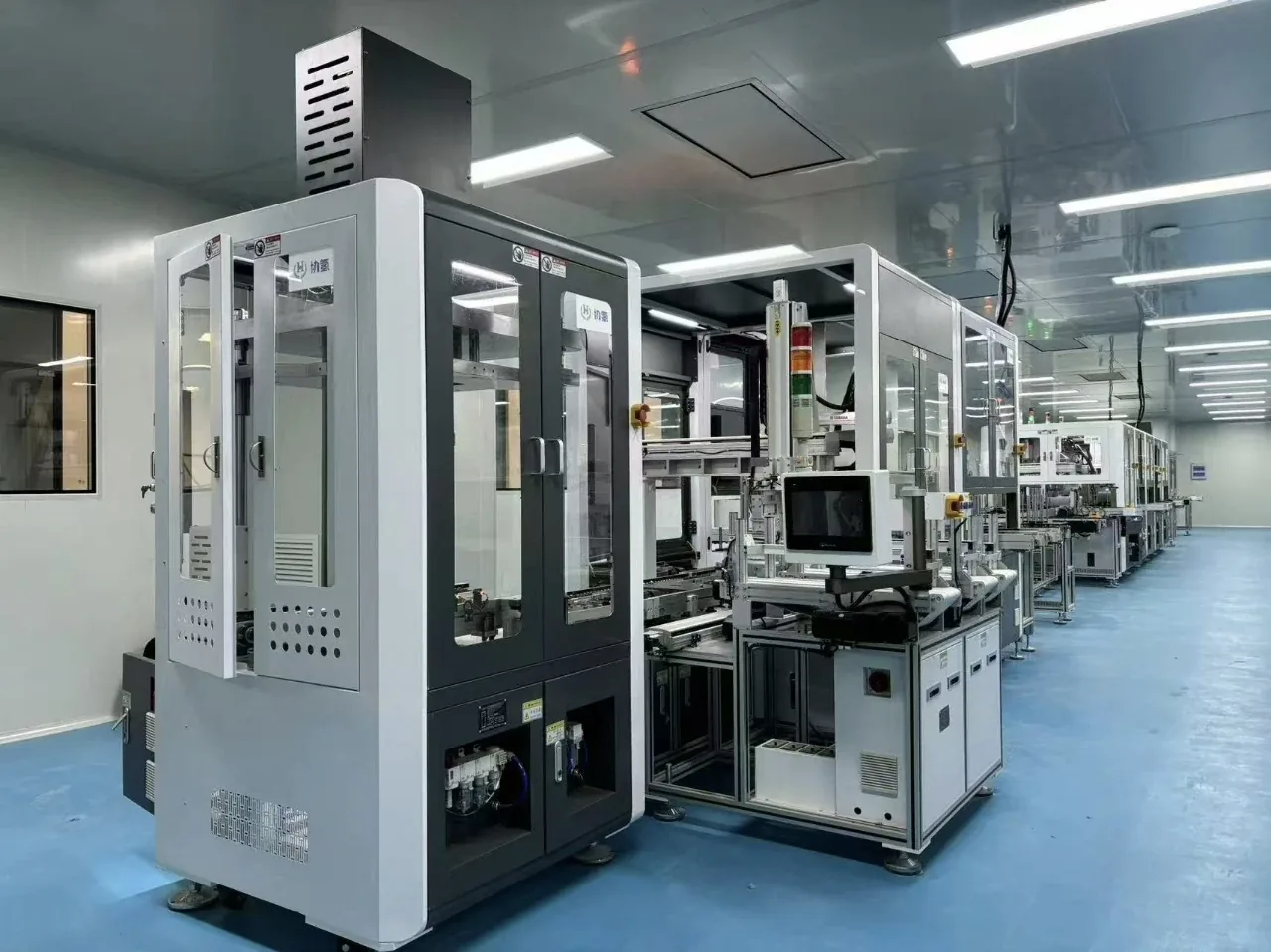
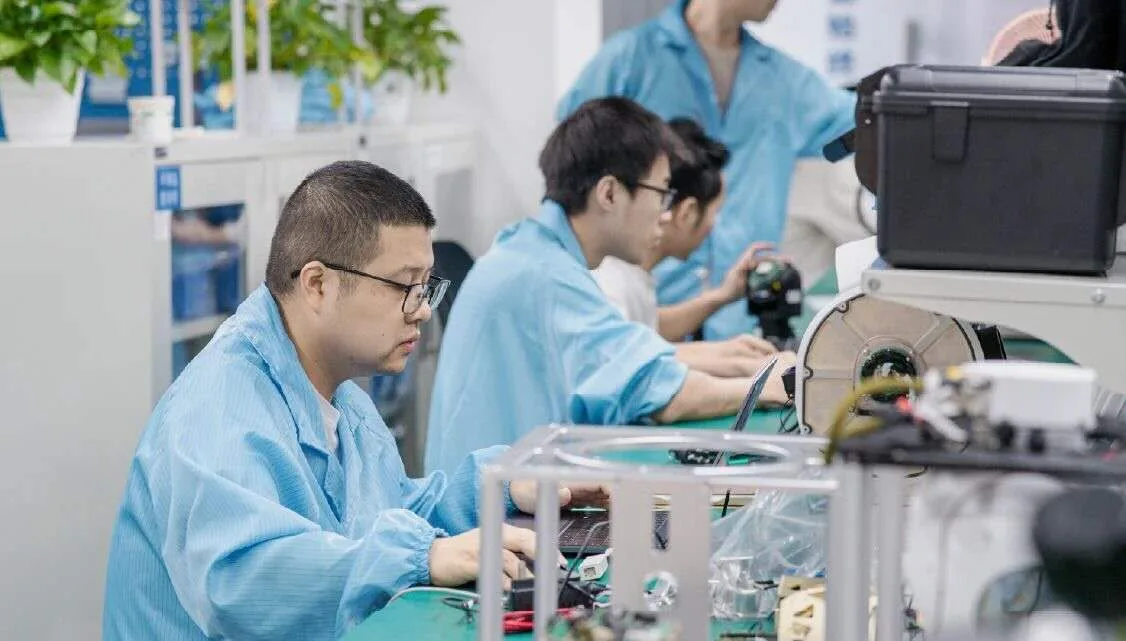
A short film from the factory floor: optics, stabilisation, optical alignment and the payload range behind every project.
Also available on YouTube ↗
Product knowledge.
Direct collaboration.
A professional imaging payload must fit the aircraft, the mission and the purchasing plan. We discuss these requirements together.
Imaging with a purpose.
We consider sensor selection, stabilisation and available payload capabilities in the context of what the operator needs to see.
Factory-direct dialogue.
Discuss product options and project requirements directly with HITS, from an initial evaluation to the intended production configuration.
A practical route to fit.
Review standard products and OEM (original equipment manufacturer) configurations. Custom requirements begin with a feasibility discussion around your platform constraints.
Built for professional
buying and engineering teams.
UAV Manufacturers.
Align camera selection with aircraft payload capacity, power, mechanical layout and intended operator experience.
System Integrators.
Review control, video output and sensor requirements before a demonstration or integration evaluation.
Distributors.
Understand model differences and available configurations to support professional customer requirements.
Project Buyers.
Discuss specifications, evaluation needs, expected quantities and procurement timing as one connected decision.
Start with the mission.
Check the whole system.
Payload weight, power, mounting space, control, video output and viewing distance all affect whether an industrial UAV camera is the right choice.
We help customers narrow the options and identify the details that need to be confirmed before evaluation. When a suitable configuration is identified, the discussion can move toward samples, quantities and procurement timing.
For repeat purchases, we encourage an early conversation about the intended production configuration, alongside the requirements for the initial test.
Payload expertise.
Aircraft understanding.
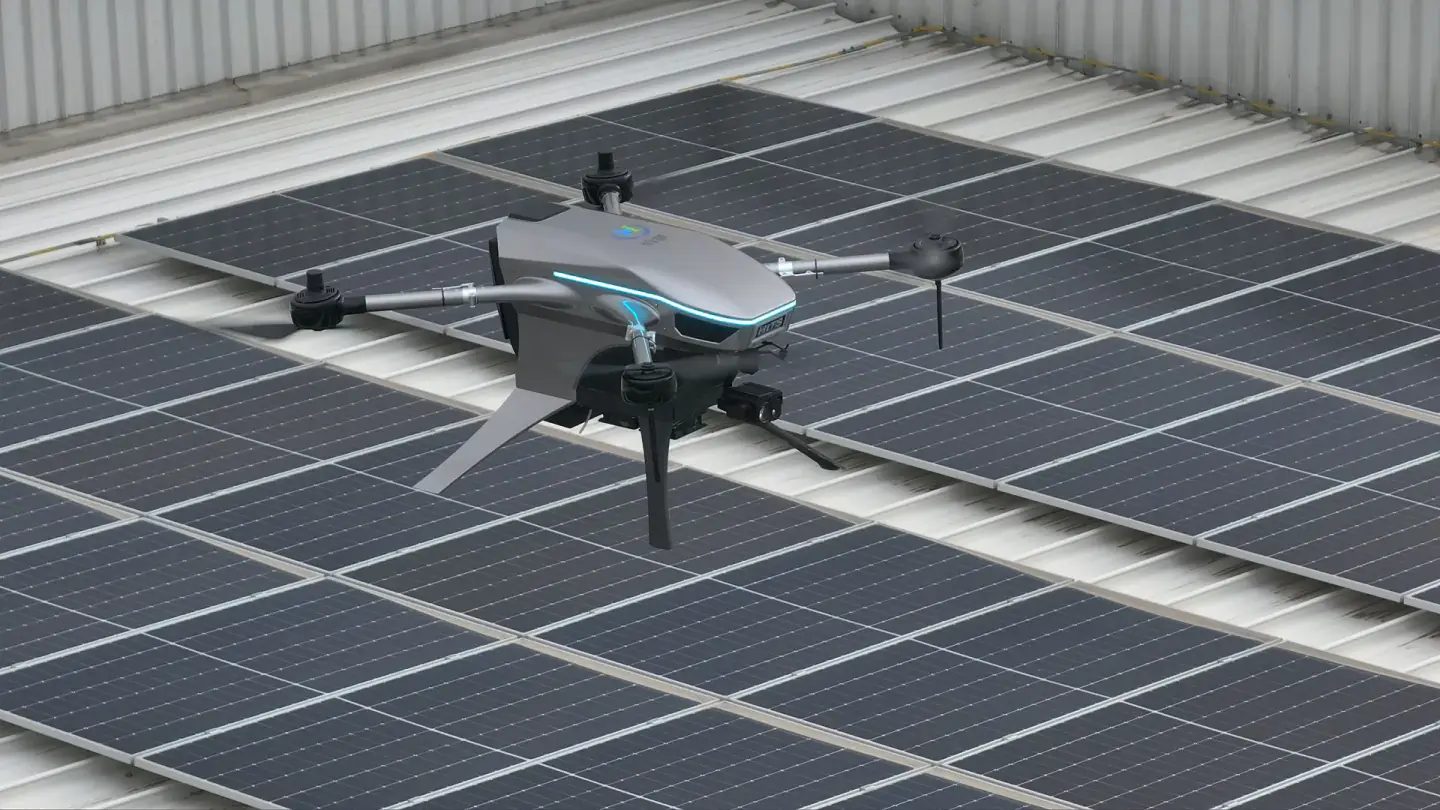
Alongside imaging payloads, HITS offers hydrogen-powered multirotor and VTOL (vertical take-off and landing) UAV platforms. Our broader direction includes hydrogen energy power solutions for professional UAV applications.
Customers can discuss aircraft and cameras together, or evaluate our payloads for an existing platform. The starting point remains the mission and the information the operator needs.
How a UAV camera specification becomes a build.
Most projects begin with a target and a mission, not a model number. A utility team may need to inspect insulators from a safe stand-off distance. A maritime operator may need to identify a vessel in low light. A UAV manufacturer may need a compact head that fits an existing bay without changing the airframe. Each case produces a different set of engineering priorities.
We translate those priorities into measurable inputs: target size, slant range, field of view, daylight or thermal imaging, stabilisation, payload weight, power, mounting space, control protocol, video output and environmental exposure. This is why two aircraft of similar size can end up with different payloads, and why a specification sheet alone rarely answers the selection question.
The first pass usually compares a visible-light camera, a thermal camera and a combined EO/IR payload. A wide field of view may be enough for general situational awareness, while a narrow field of view and higher optical zoom become important when the operator must recognise a small object at long range. Our industrial UAV gimbal camera selection guide explains how those requirements interact.
Mechanical and electrical fit comes next. The payload must sit safely on the aircraft, remain within the available power budget and communicate with the flight controller or ground station in a way the integrator can support. Interface options, connector access and mounting clearance are reviewed before a sample is configured. The UAV gimbal camera integration guide covers the questions we normally work through with an engineering team.
Only after these points are clear do we discuss resolution, zoom, laser rangefinding and AI tracking as additions to a suitable baseline, rather than as substitutes for basic platform fit. That sequence keeps the evaluation focused on the job the payload has to perform.
What we check before a payload ships.
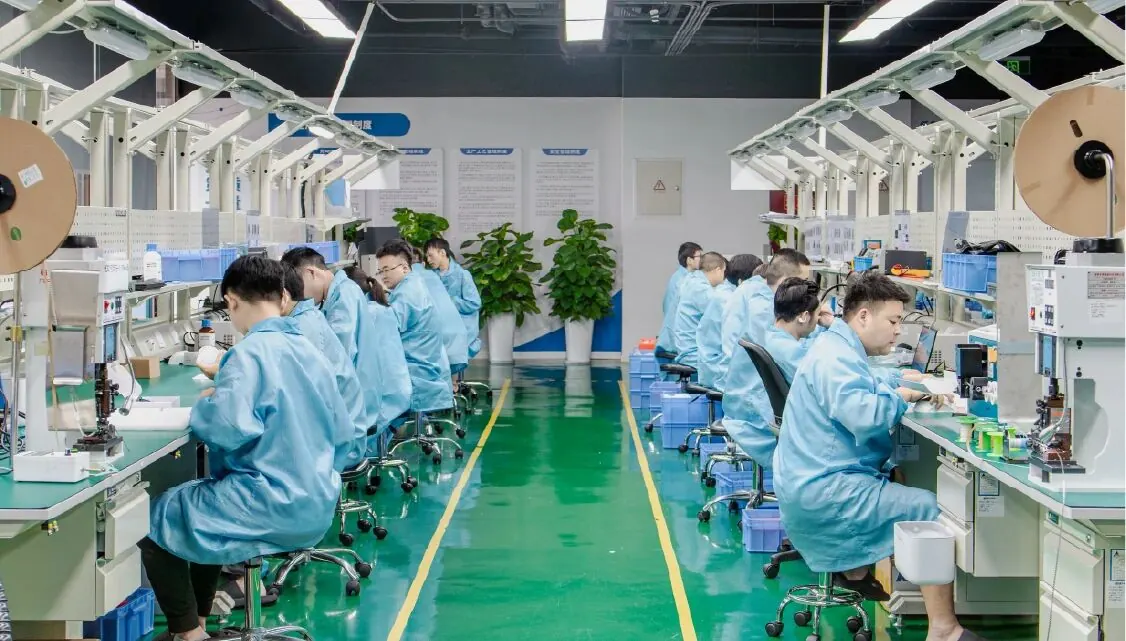
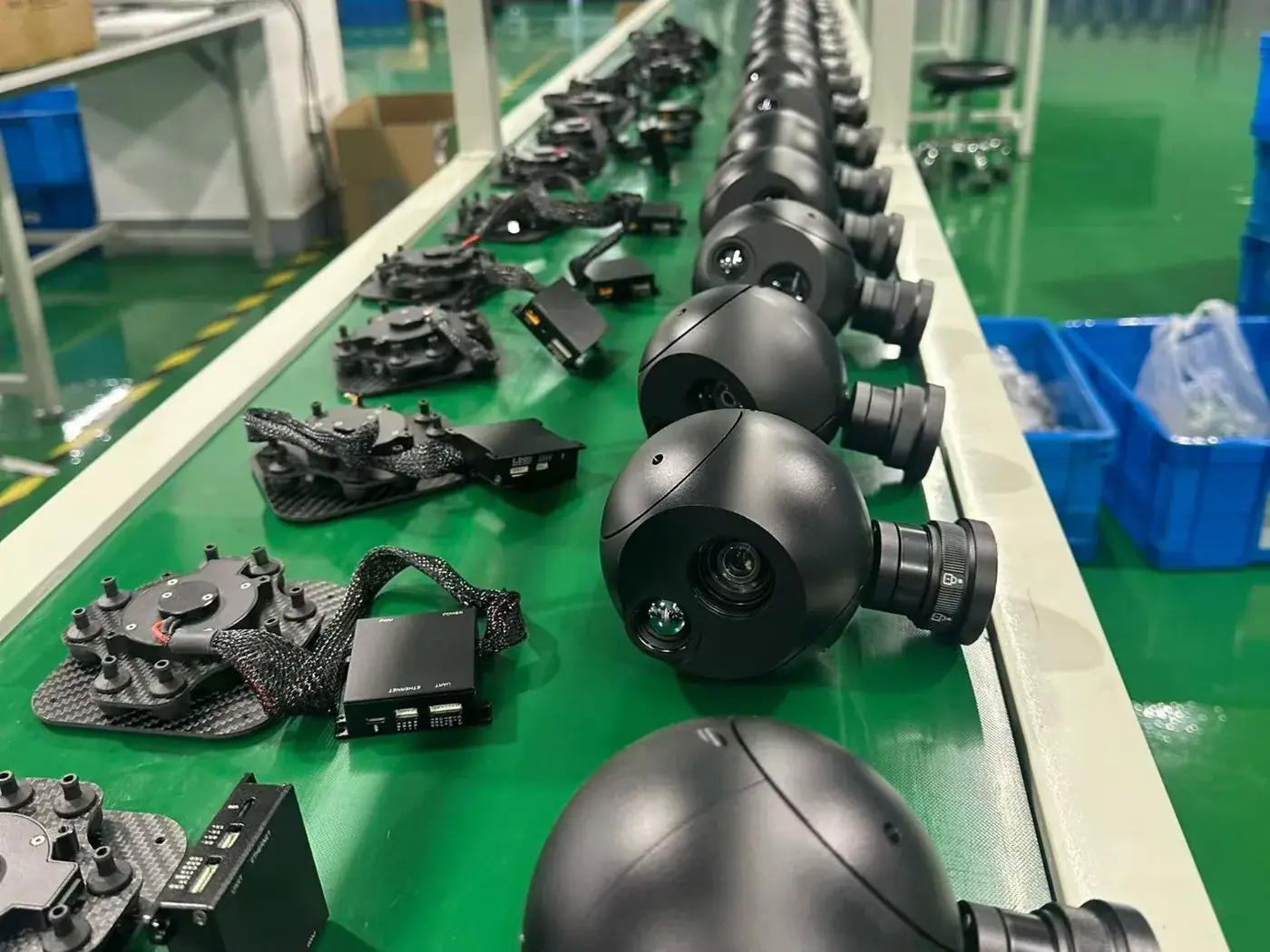
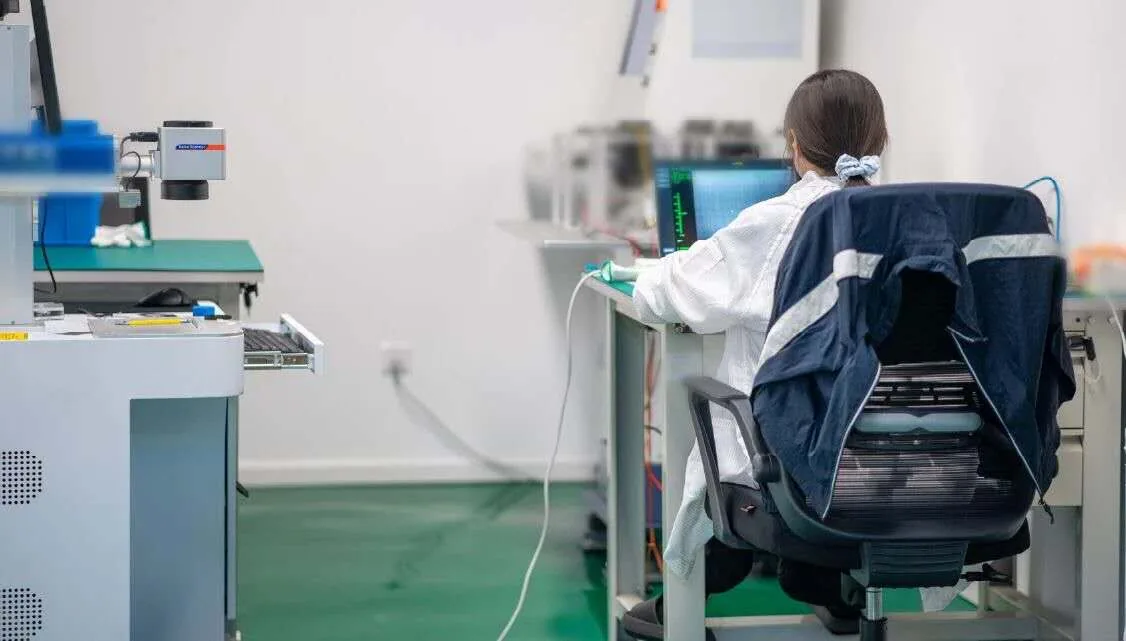
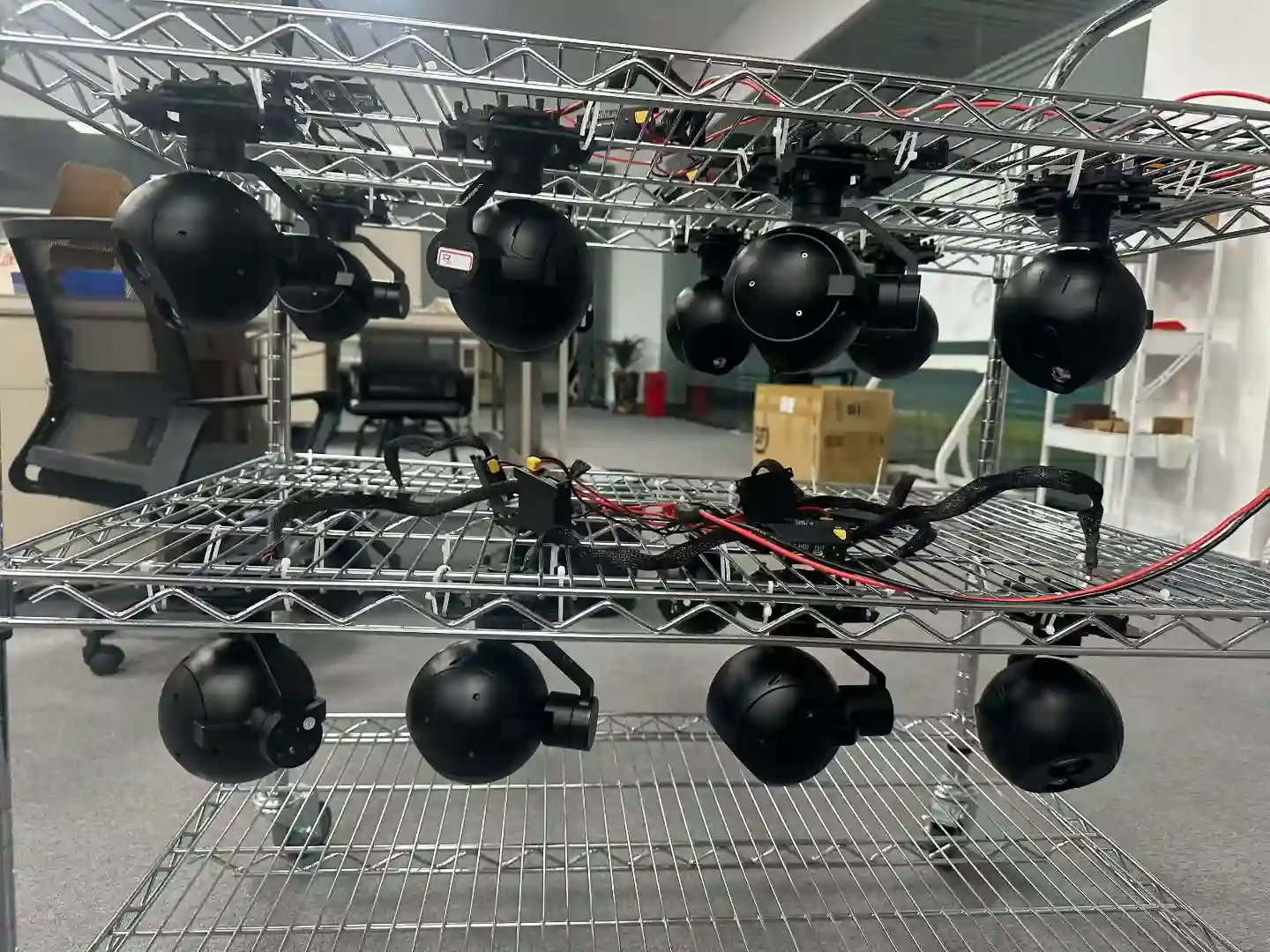
A camera payload is checked as an imaging system, not as a collection of separate parts. Optical alignment, image channels, zoom and focus behaviour, stabilisation, control response, video and data connections, mounting hardware and the delivered configuration all need to agree with the intended use. The checks are designed to expose integration problems before the unit reaches a customer aircraft or a field trial.
For project work, the agreed configuration is documented so that the evaluation unit and later production units follow the same specification. Where a customer requires a particular connector, control method, label or mechanical interface, those details are captured during the project discussion rather than left to the packing stage.
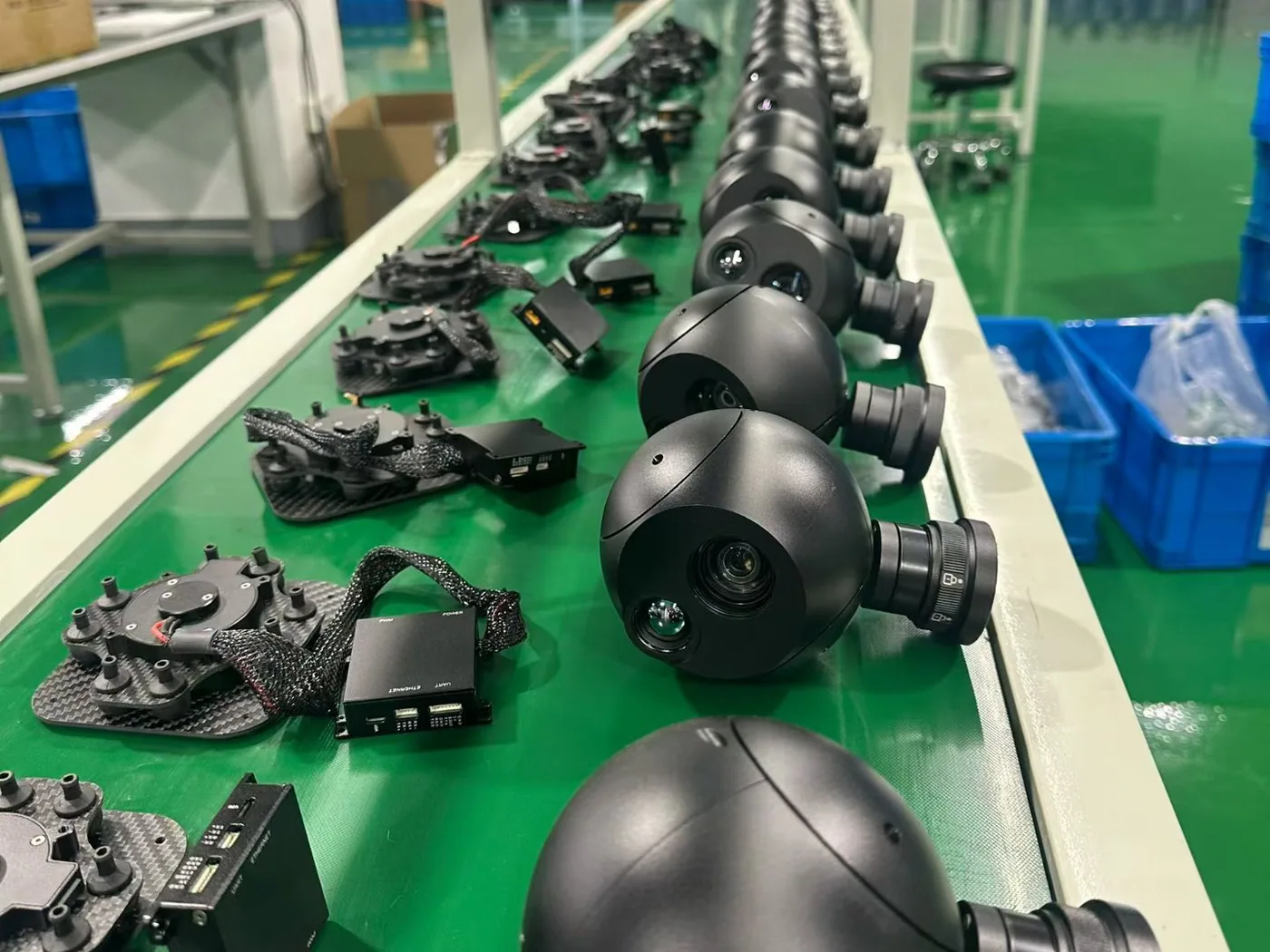
The quality control process and the manufacturing overview describe how production and inspection are organised across the HITS sites. Customers who need repeatability across a fleet can review the intended production configuration alongside the first sample.
Support beyond the first sample.
- Evaluation unitA first unit configured for your platform and mission.
- Production batchThe agreed configuration fixed before the run starts.
- Repeat ordersThe same mounting and connector arrangement on later units.
- After-sales supportOne year from delivery, with our own engineers online throughout.
An evaluation unit is a milestone, not the end of the project. Once a payload is flying, the questions usually move to repeatability: Will the next unit behave the same way? Can the mounting and connector arrangement stay unchanged? Which options should be fixed for the production batch? We prefer to answer those questions early, while the aircraft and mission data are still in front of both teams.
UAV manufacturers and system integrators can discuss OEM requirements around enclosure, mounting, connector, control and branding. Distributors can request a clear comparison of model differences and available configurations. Project buyers can connect specification decisions with sample quantities, delivery planning and repeat-order expectations.
This is also why we keep the conversation technical rather than purely commercial. A useful payload recommendation should identify what the camera must see, what the aircraft can carry and what the operator must be able to control. When those three points are aligned, the remaining choices become much easier to compare.
Bring your platform. Let’s define the payload.
Share your mission, aircraft constraints and imaging requirements.