





3 Axis Gimbal with Camera: Roll-Stabilised UAV Payloads
12 three-axis models · 400 g – 1.5 kg
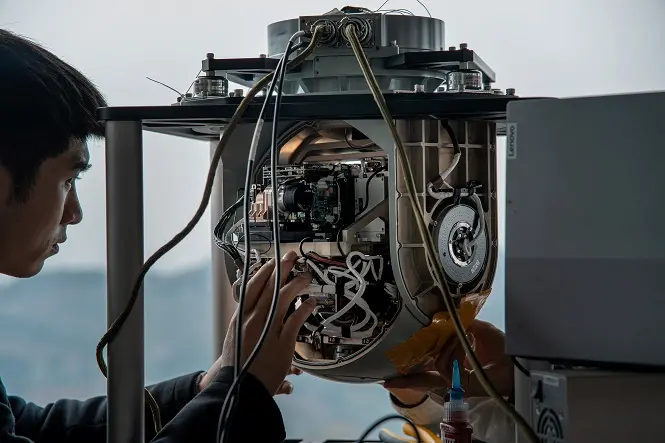
A third axis adds roll stabilisation on top of pitch and yaw. That is what lets a long focal length hold a small target in wind, on a helicopter, or on a fixed-wing platform where the airframe rolls continuously.
- ≤ 100 μrad accuracy
- ≥ 60°/s angular velocity
- Roll ± 45°
- Quick-release option
A 3-axis gimbal camera adds roll isolation to pitch and yaw. On a fixed-wing aircraft or a helicopter, that third axis is what keeps a 30x lens on target while the airframe banks and rides out gusts.
If you are specifying a 3 axis drone gimbal camera for a rolling platform, start from the identification range rather than the price. Every 3 axis gimbal camera for drone use in this group shares the same servo performance, so a drone 3 axis gimbal camera at the 400 g end behaves exactly like the 1.5 kg units. A 3 axis gimbal with camera built for airborne work also differs from a camera gimbal 3 axis unit designed for ground or handheld use: these heads are rated for rotor wash, vibration and a −20 °C to +60 °C envelope.
Core capabilities
- Three-axis stabilisation
≤ 100 μrad stabilisation accuracy with ≥ 60°/s angular velocity isolates the line of sight from airframe motion.
- Direct-drive brushless axes
High-resolution encoding on every axis means no gear backlash or step noise in the video.
- Continuous optical zoom
10x to 40x continuous zoom optics with autofocus and electronic image stabilisation at sub-pixel level.
- Onboard AI detection
Person, vehicle, vessel and aircraft recognition runs locally, with no dependency on a data link.
- Uncooled thermal imaging
640 × 512 (up to 1280 × 1024) long-wave infrared with NETD ≤ 40 mK, boresighted to the visible channel.
- Laser rangefinding
1535 nm or 905 nm rangefinders from 5 m to 3 km turn video into georeferenced target coordinates.
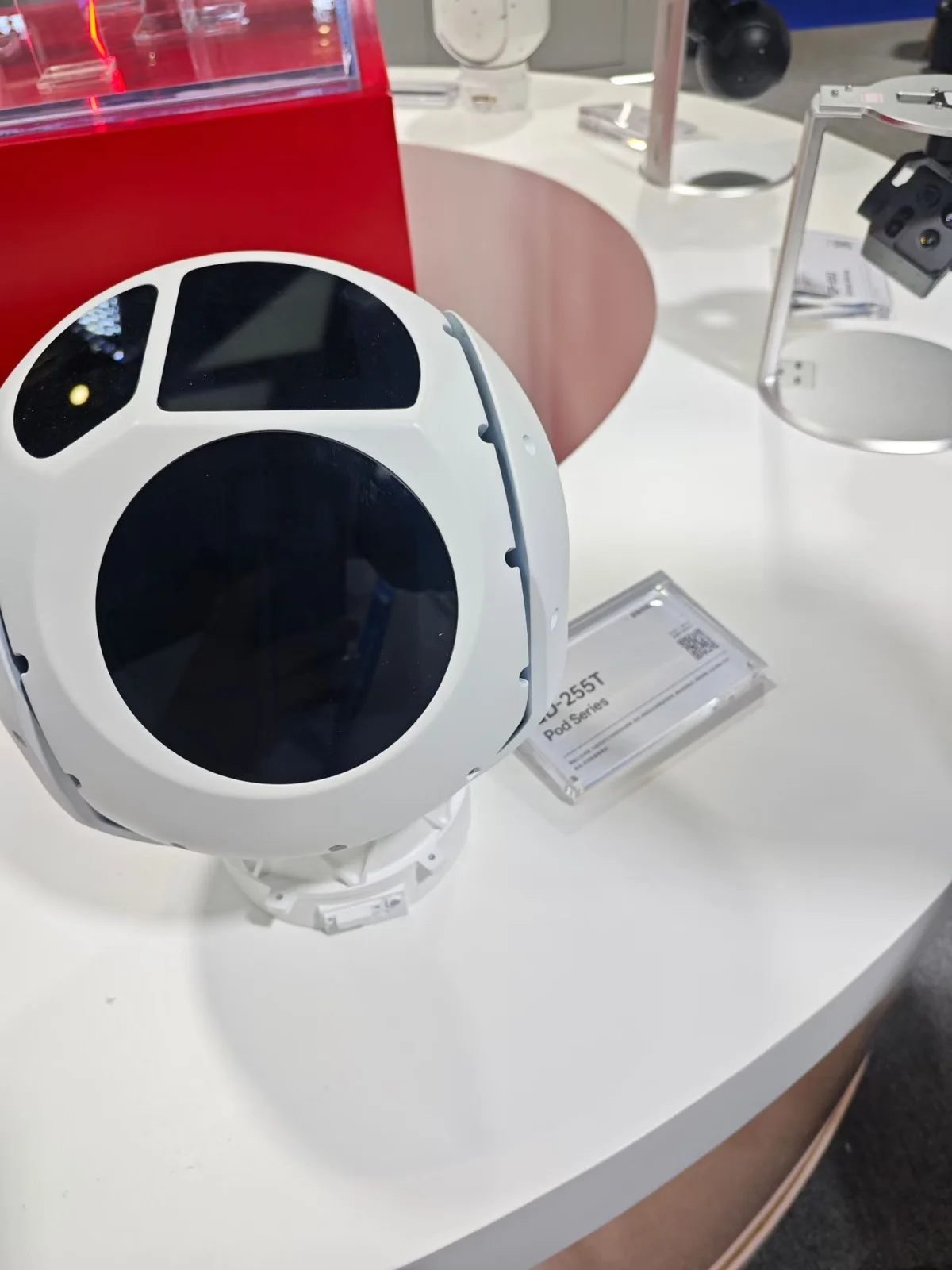
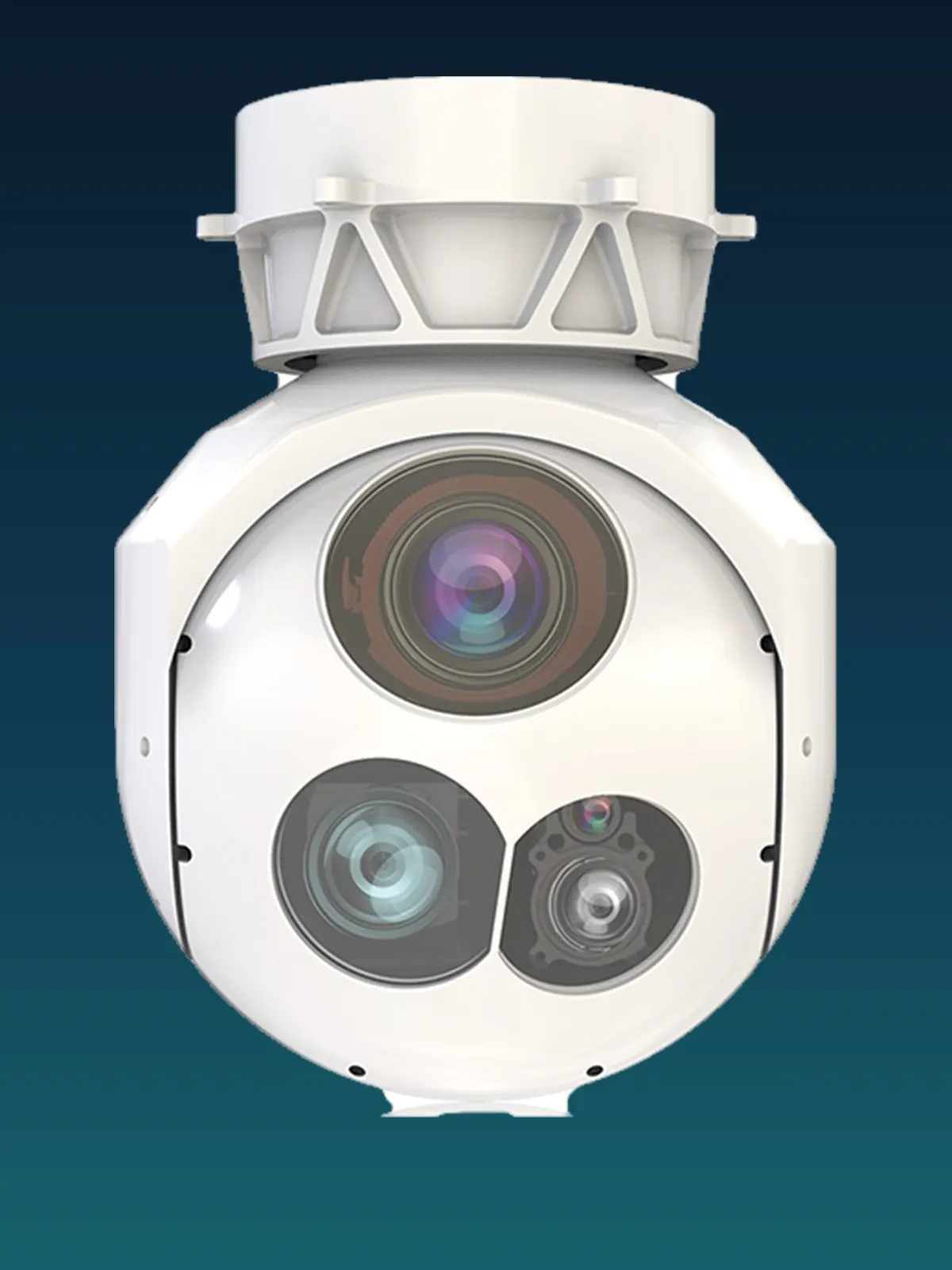
12 three-axis models
All three-axis heads share the same servo performance and control interface, so a single integration carries across the group.
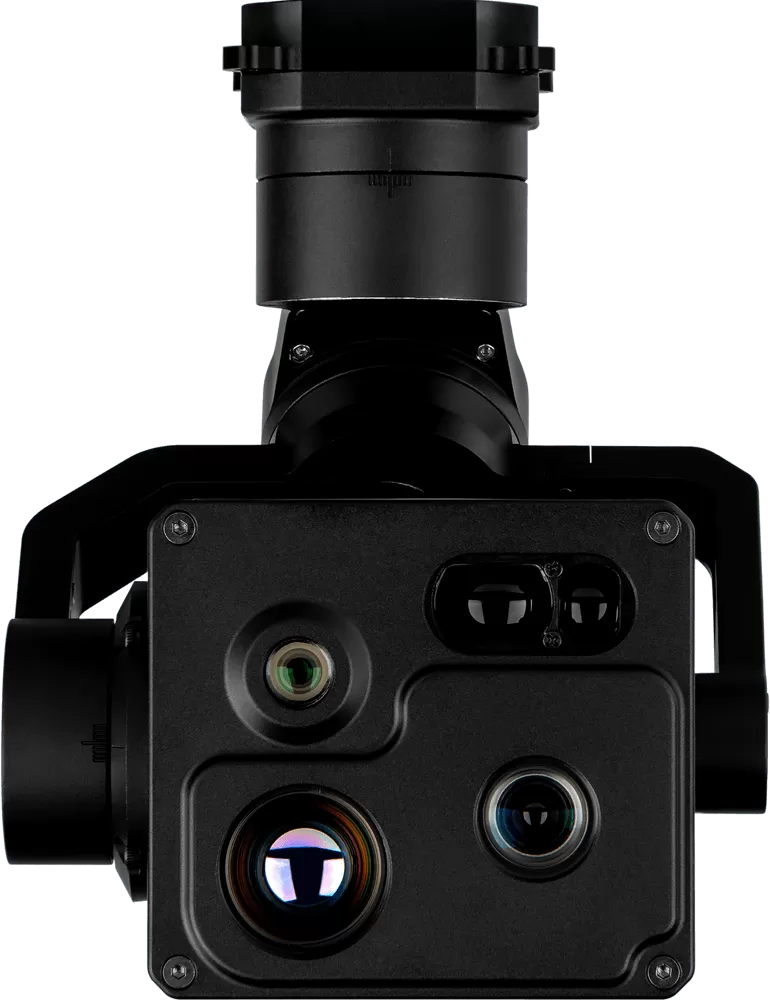
3-axis · EO + IR + LRF
HQ-95Q customized UAV Camera Gimbal
Four optical channels and a quick-release mount on the lightest three-axis head we build.
- Visible
- Dual 8000 × 6000, 9.5 mm + continuous zoom 15.3 – 49.7 mm
- Thermal
- 640 × 512, 19 mm fixed
- Laser
- 5 m – 1.5 km (± 1 m)
- Weight
- ≤400 g
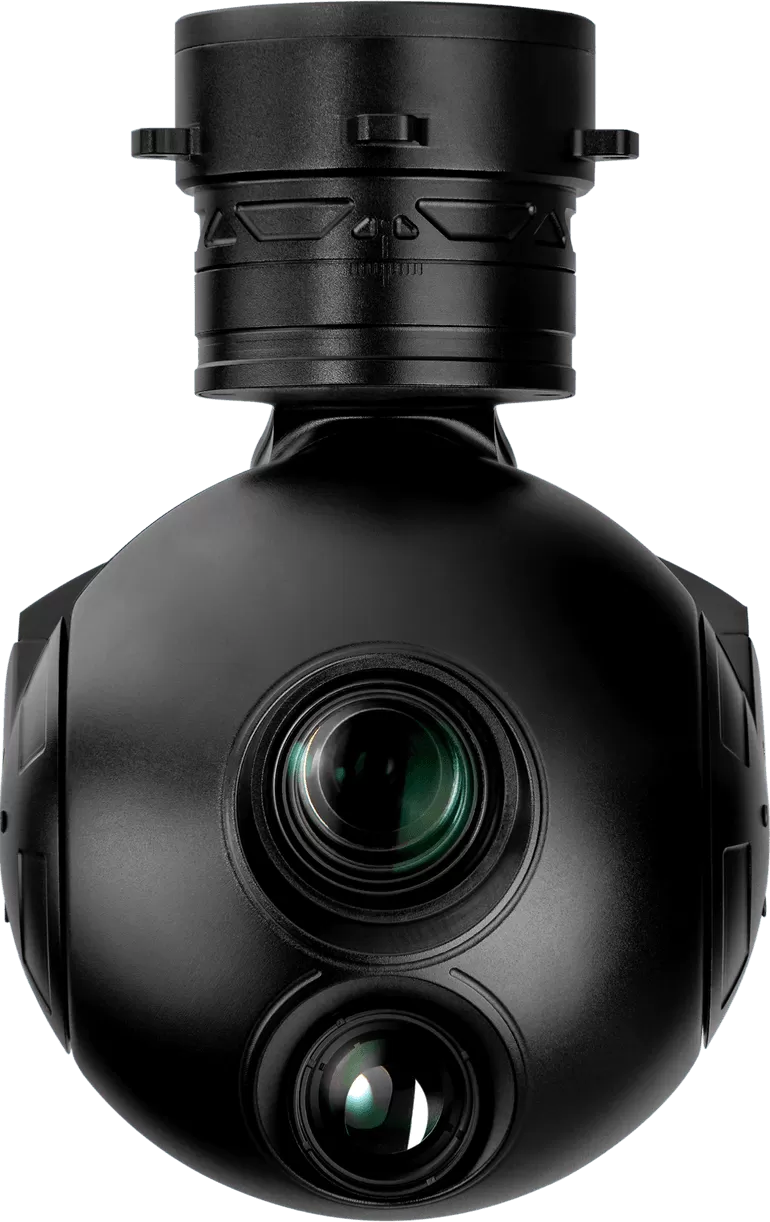
3-axis · EO + IR
HQ-100D Gimbal Camera OEM
The entry point to full roll-stabilised zoom and thermal imaging under a kilogram.
- Visible
- 1920 × 1080, 10x zoom 4.7 – 47 mm
- Thermal
- 640 × 512, 19 mm fixed
- Laser
- —
- Weight
- ≤800 g
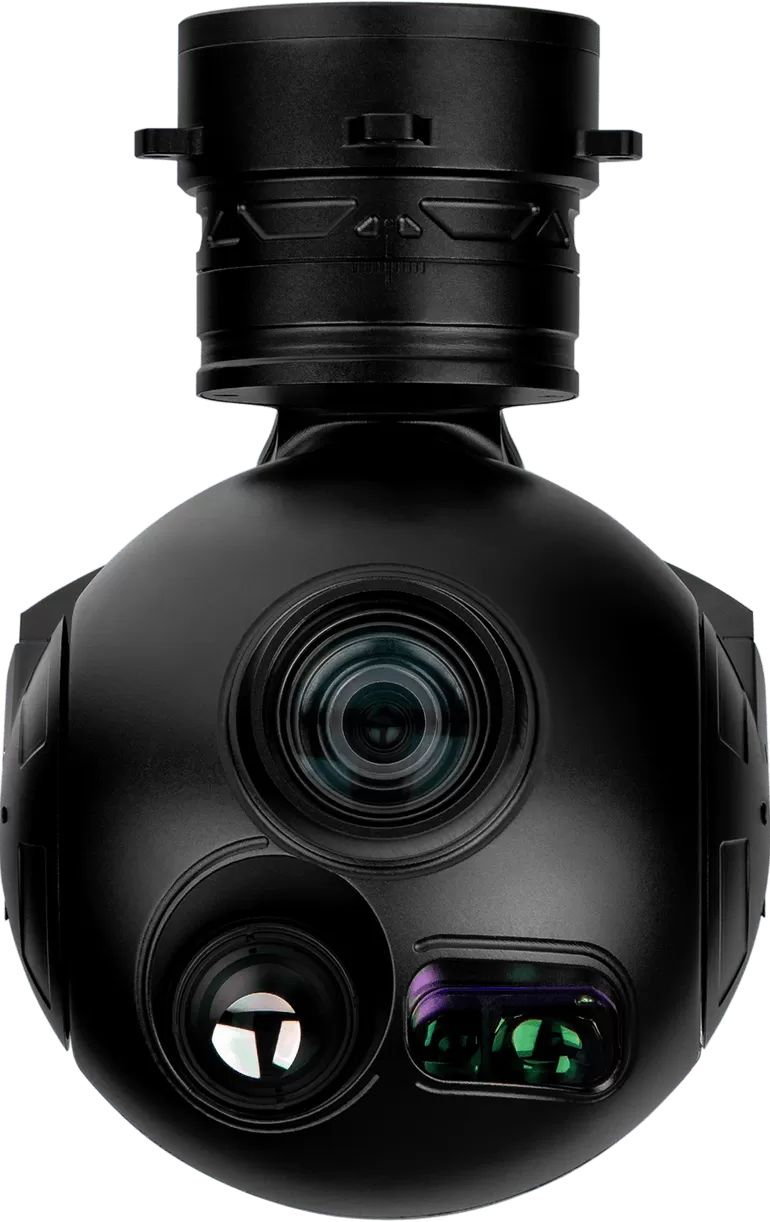
3-axis · EO + IR + LRF
HQ-100T Gimbal Camera Manufacturer
The same 800 g three-axis head as the 100D, with a 1.5 km laser rangefinder added.
- Visible
- 1920 × 1080, 10x zoom 4.7 – 47 mm
- Thermal
- 640 × 512, 19 mm fixed
- Laser
- 5 m – 1.5 km (± 1 m)
- Weight
- ≤800 g
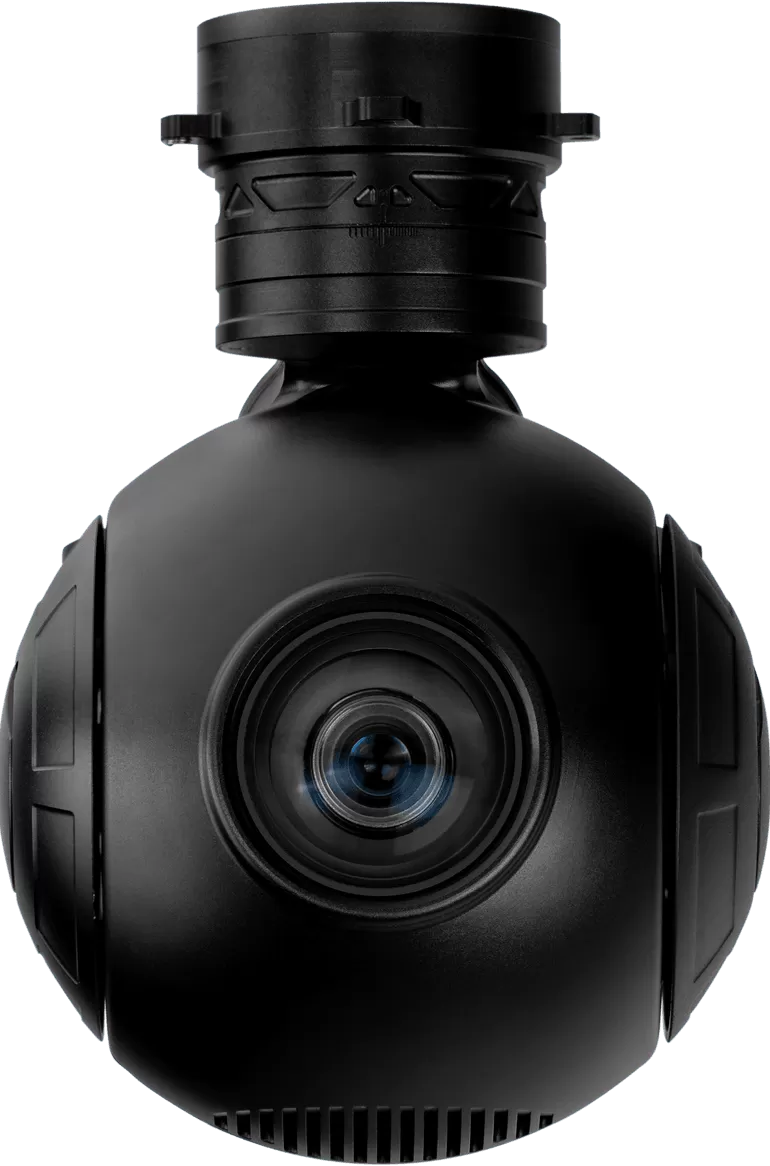
3-axis · EO
HQ-115S Drone Camera Gimbal Direct Factory
A 40x daylight optic alone, for daylight-only surveillance where the weight budget rules out a thermal channel.
- Visible
- 1920 × 1080, 40x zoom 4.25 – 170 mm
- Thermal
- —
- Laser
- —
- Weight
- ≤1 kg
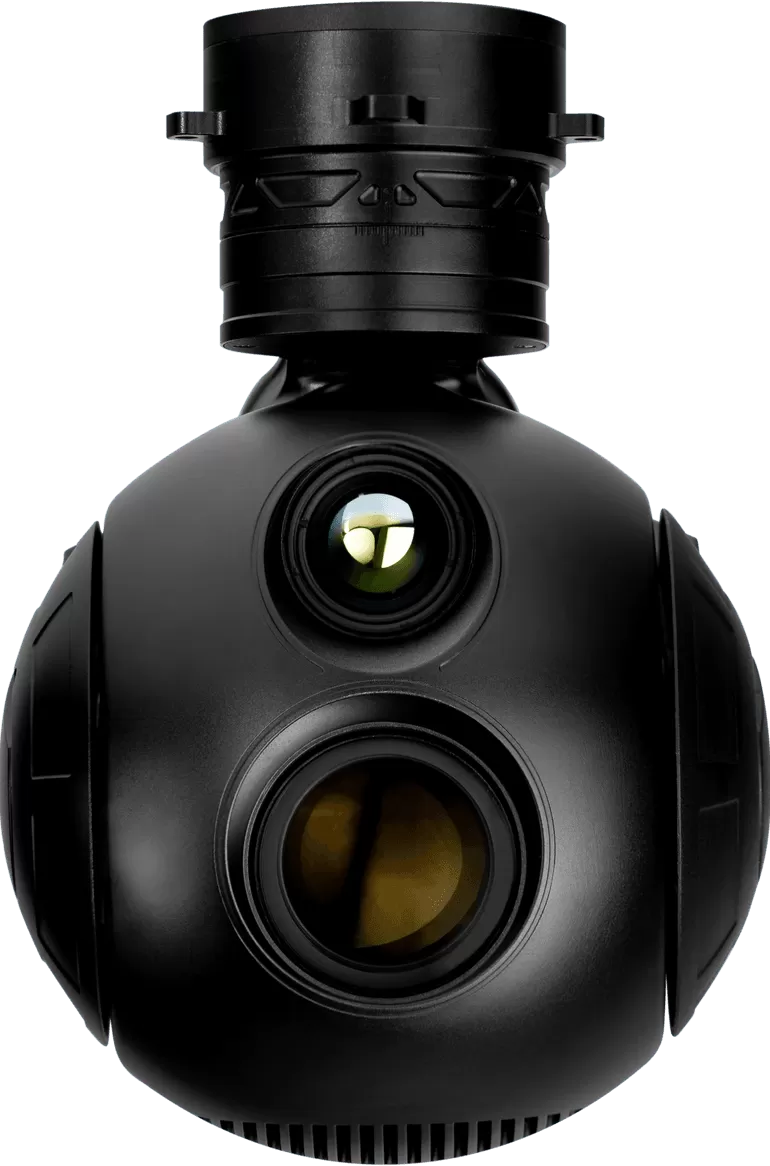
3-axis · EO + IR
HQ-115D UAV Gimbal Camera OEM
30x zoom and thermal imaging on a one-kilogram head with no ranging requirement.
- Visible
- 1920 × 1080, 30x zoom 4.3 – 129 mm
- Thermal
- 640 × 512, 25 mm fixed
- Laser
- —
- Weight
- ≤1 kg
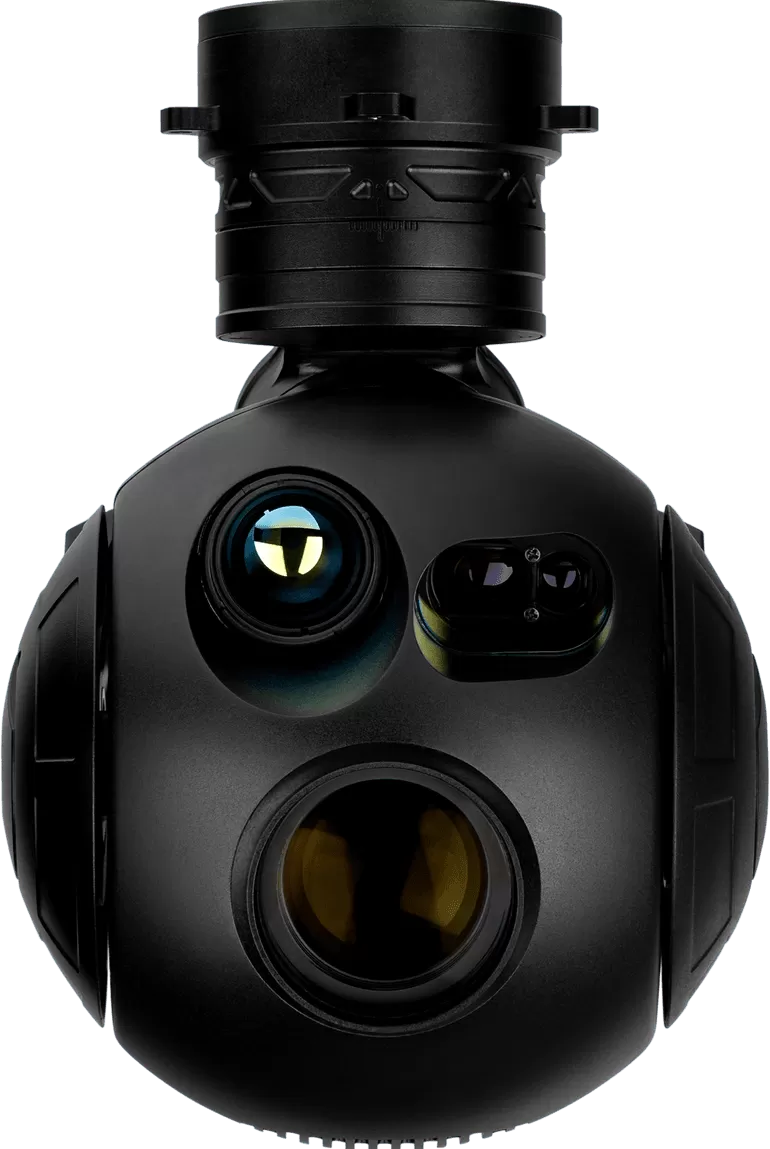
3-axis · EO + IR + LRF
HQ-115T Gimbal Camera Manufacturer
The one-kilogram workhorse: 30x zoom, thermal imaging and a 1.5 km rangefinder.
- Visible
- 1920 × 1080, 30x zoom 4.3 – 129 mm
- Thermal
- 640 × 512, 25 mm fixed
- Laser
- 5 m – 1.5 km (± 1 m)
- Weight
- ≤1 kg
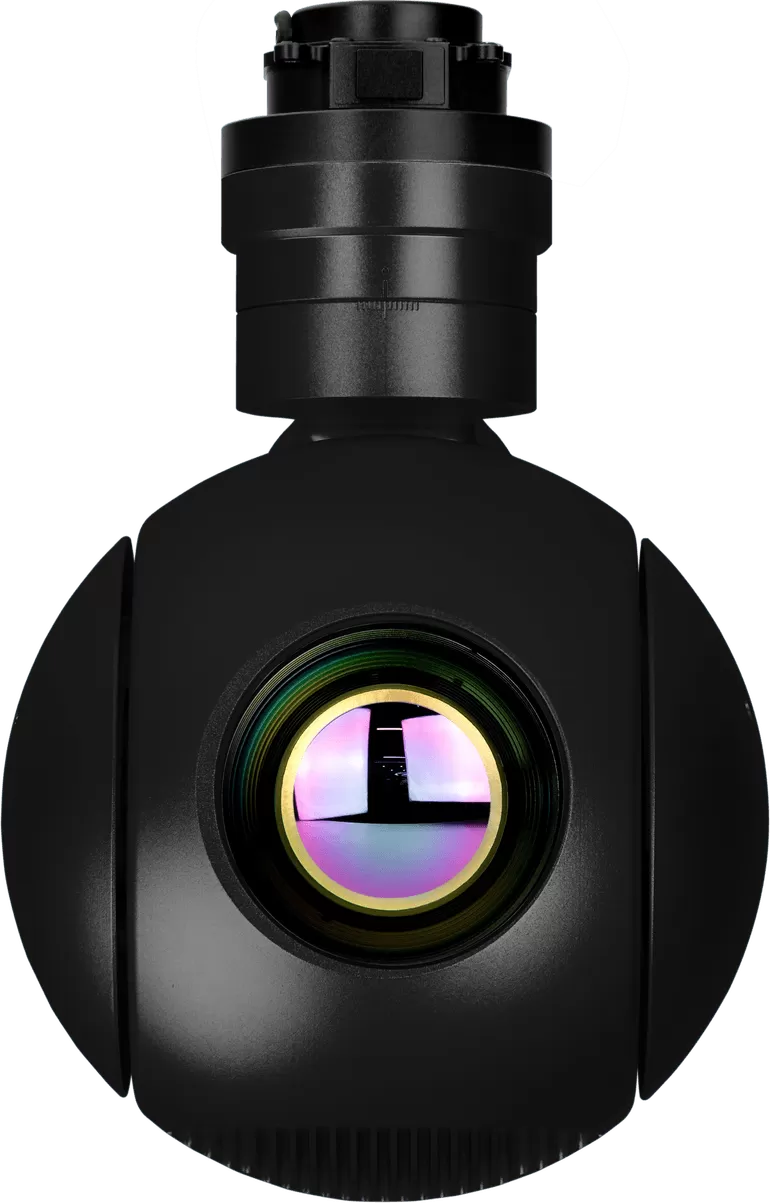
3-axis · IR
HQ-125S Thermal Gimbal Camera OEM
A thermal-only head with a 1280 × 1024 sensor — the highest thermal resolution in the series.
- Visible
- —
- Thermal
- 1280 × 1024, 50 mm fixed
- Laser
- —
- Weight
- ≤1 kg
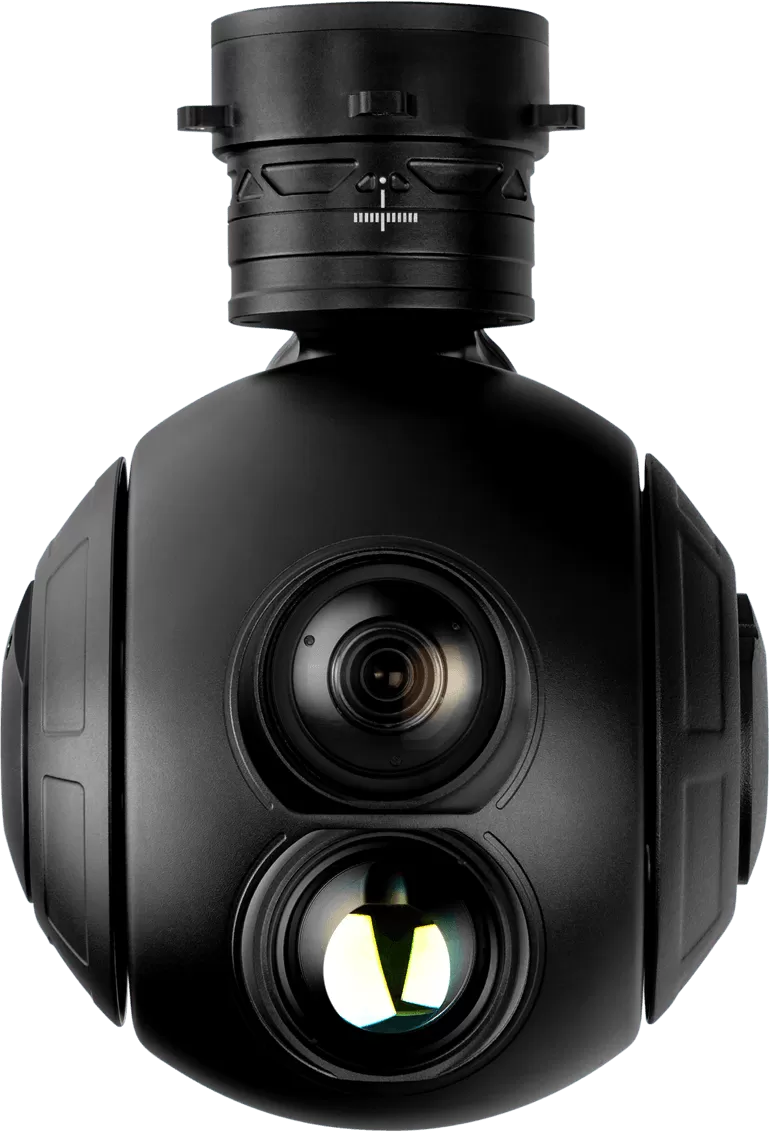
3-axis · EO + IR
HQ-125DB UAV Camera Gimbal ODM
The longer 35 mm thermal lens paired with 30x zoom, without the rangefinder.
- Visible
- 1920 × 1080, 30x zoom 4.3 – 129 mm
- Thermal
- 640 × 512, 35 mm fixed
- Laser
- —
- Weight
- ≤1.1 kg
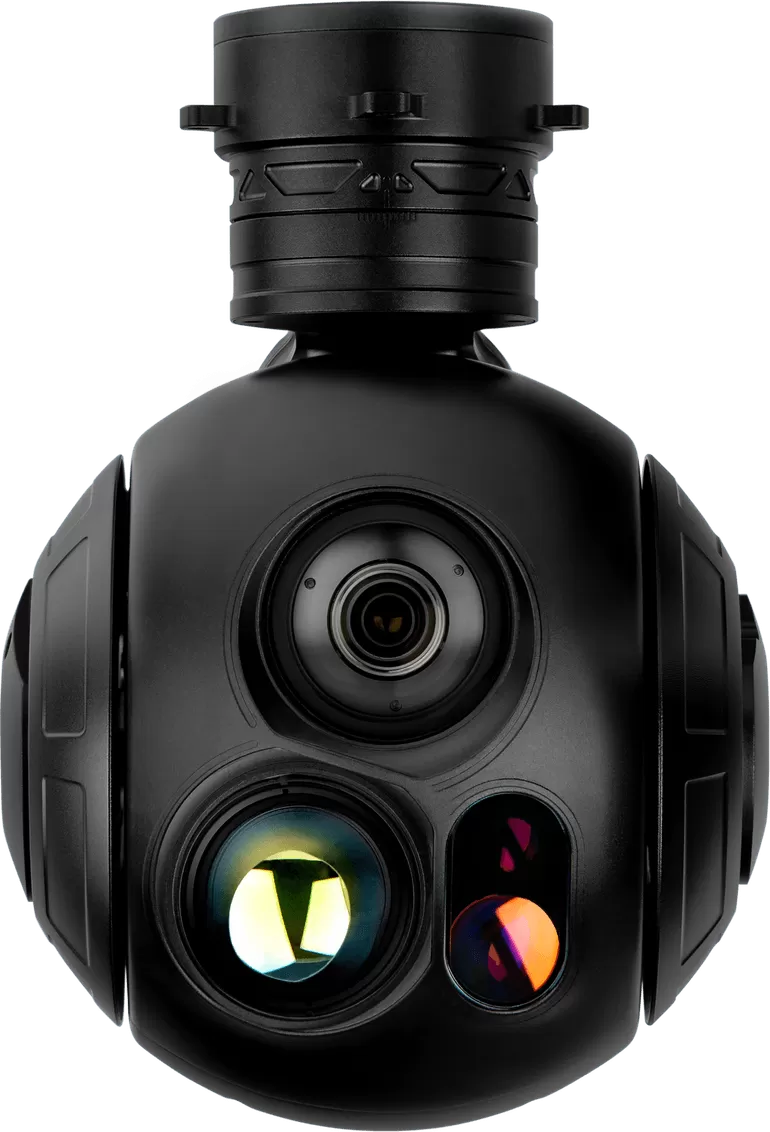
3-axis · EO + IR + LRF
HQ-125TB Gimbal Camera Supplier
Balanced mid-range turret: 30x zoom, a long thermal lens and 3 km ranging.
- Visible
- 1920 × 1080, 30x zoom 4.3 – 129 mm
- Thermal
- 640 × 512, 35 mm fixed
- Laser
- 15 m – 3 km (± 1 m)
- Weight
- ≤1.2 kg
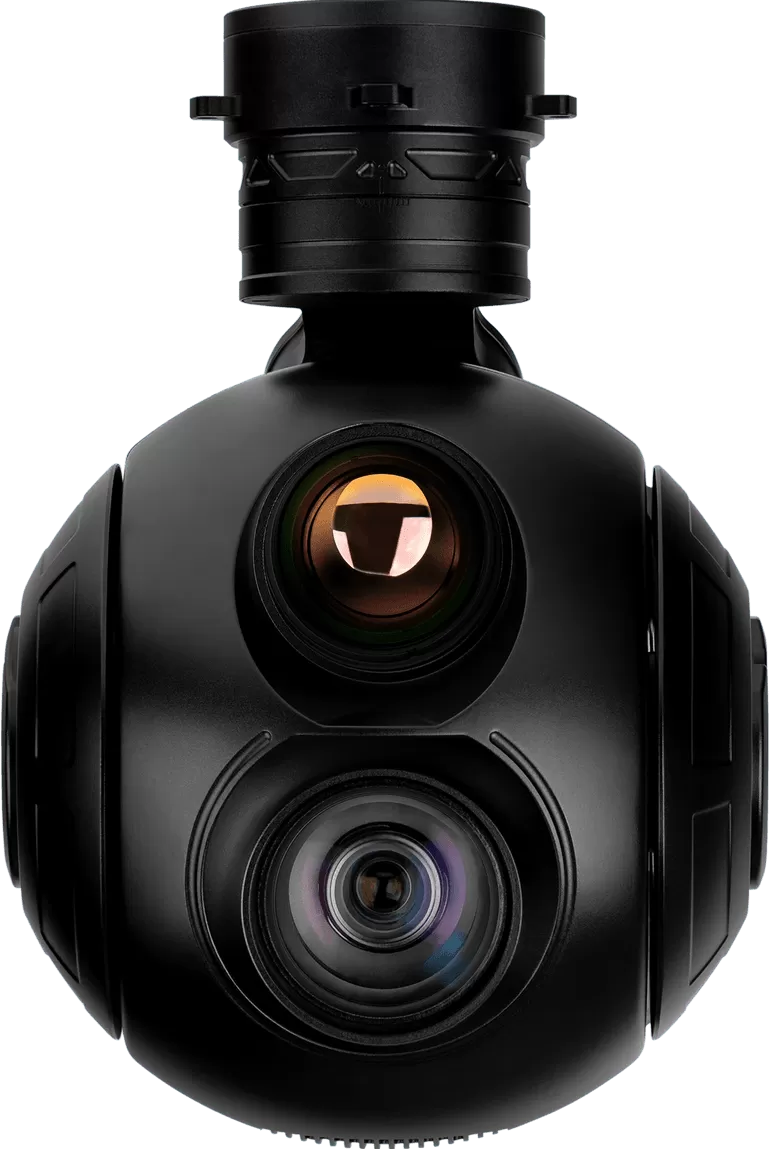
3-axis · EO + IR
HQ-135D customized Drone Camera Payload
The 40x optic with thermal imaging, for daylight and night identification at long range.
- Visible
- 1920 × 1080, 40x zoom 4.25 – 170 mm
- Thermal
- 640 × 512, 35 mm fixed
- Laser
- —
- Weight
- ≤1.4 kg
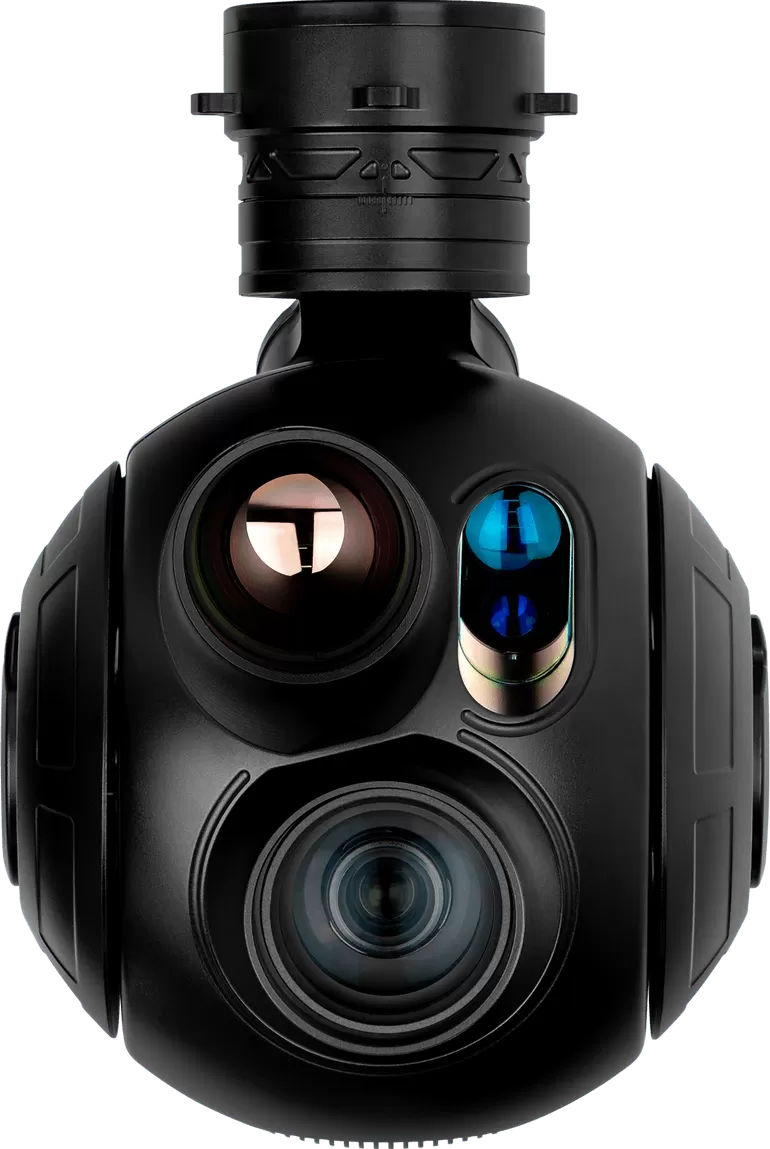
3-axis · EO + IR + LRF
HQ-135T UAV Gimbal Camera OEM
The flagship of the compact range: 40x zoom, thermal imaging and 3 km ranging on one stabilised cage.
- Visible
- 1920 × 1080, 40x zoom 4.25 – 170 mm
- Thermal
- 640 × 512, 35 mm fixed
- Laser
- 15 m – 3 km (± 1 m)
- Weight
- ≤1.4 kg
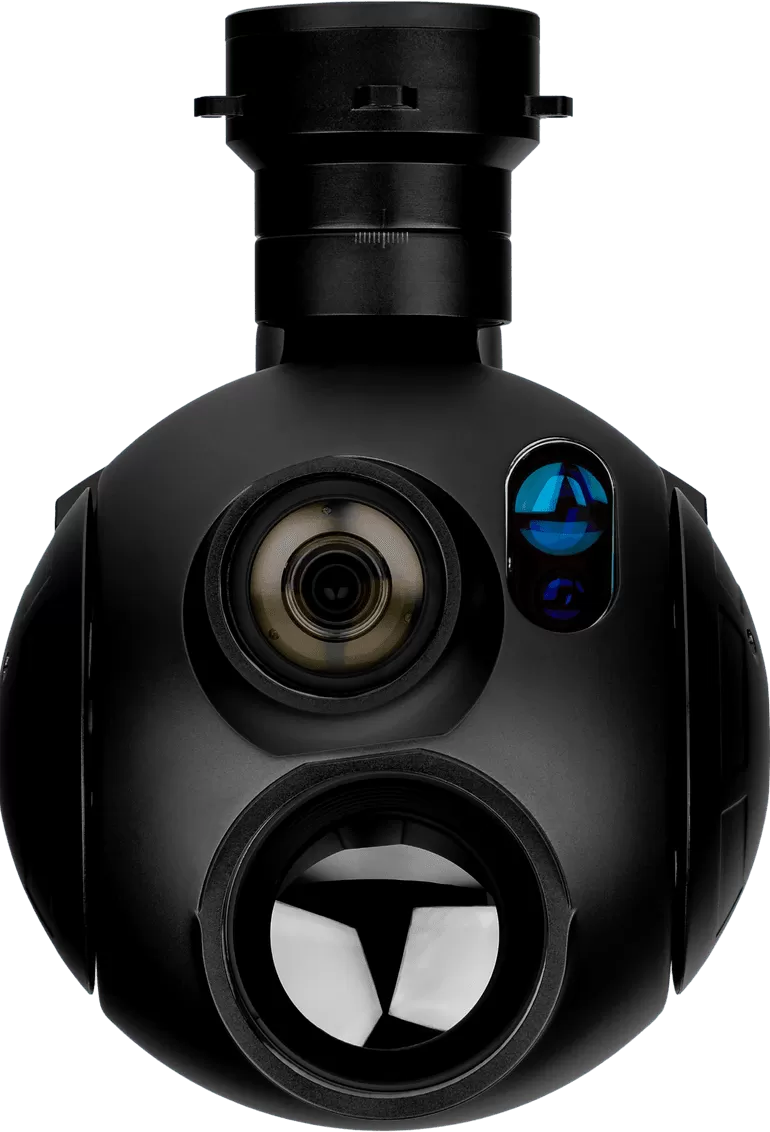
3-axis · EO + IR + LRF
HQ-135TA Stabilised UAV Camera Manufacturer
A 50 mm thermal lens gives the longest thermal reach in the compact range.
- Visible
- 1920 × 1080, 30x zoom 4.3 – 129 mm
- Thermal
- 640 × 512, 50 mm fixed
- Laser
- 15 m – 3 km (± 1 m)
- Weight
- ≤1.5 kg
Compare the range
| Model | Axes | Configuration | Visible camera | Thermal imager | Laser rangefinder | Weight |
|---|---|---|---|---|---|---|
| HQ-95Q | 3-axis | EO + IR + LRF | Dual 8000 × 6000, 9.5 mm + continuous zoom 15.3 – 49.7 mm | 640 × 512, 19 mm fixed | 5 m – 1.5 km (± 1 m) | ≤400 g |
| HQ-100D | 3-axis | EO + IR | 1920 × 1080, 10x zoom 4.7 – 47 mm | 640 × 512, 19 mm fixed | — | ≤800 g |
| HQ-100T | 3-axis | EO + IR + LRF | 1920 × 1080, 10x zoom 4.7 – 47 mm | 640 × 512, 19 mm fixed | 5 m – 1.5 km (± 1 m) | ≤800 g |
| HQ-115S | 3-axis | EO | 1920 × 1080, 40x zoom 4.25 – 170 mm | — | — | ≤1 kg |
| HQ-115D | 3-axis | EO + IR | 1920 × 1080, 30x zoom 4.3 – 129 mm | 640 × 512, 25 mm fixed | — | ≤1 kg |
| HQ-115T | 3-axis | EO + IR + LRF | 1920 × 1080, 30x zoom 4.3 – 129 mm | 640 × 512, 25 mm fixed | 5 m – 1.5 km (± 1 m) | ≤1 kg |
| HQ-125S | 3-axis | IR | — | 1280 × 1024, 50 mm fixed | — | ≤1 kg |
| HQ-125DB | 3-axis | EO + IR | 1920 × 1080, 30x zoom 4.3 – 129 mm | 640 × 512, 35 mm fixed | — | ≤1.1 kg |
| HQ-125TB | 3-axis | EO + IR + LRF | 1920 × 1080, 30x zoom 4.3 – 129 mm | 640 × 512, 35 mm fixed | 15 m – 3 km (± 1 m) | ≤1.2 kg |
| HQ-135D | 3-axis | EO + IR | 1920 × 1080, 40x zoom 4.25 – 170 mm | 640 × 512, 35 mm fixed | — | ≤1.4 kg |
| HQ-135T | 3-axis | EO + IR + LRF | 1920 × 1080, 40x zoom 4.25 – 170 mm | 640 × 512, 35 mm fixed | 15 m – 3 km (± 1 m) | ≤1.4 kg |
| HQ-135TA | 3-axis | EO + IR + LRF | 1920 × 1080, 30x zoom 4.3 – 129 mm | 640 × 512, 50 mm fixed | 15 m – 3 km (± 1 m) | ≤1.5 kg |
Engineering detail
What the third axis buys you
Roll isolation keeps the horizon level and the aim point fixed while the airframe banks. Without it, a 30x or 40x optic sweeps off target every time the platform turns or rides out a gust.
Rated for the platform
All three-axis heads share the same servo performance — ≥ 60°/s angular velocity, ± 45° roll range and a pitch envelope from −120° to +40° — so one integration carries across the series.
Designed and manufactured by HITS
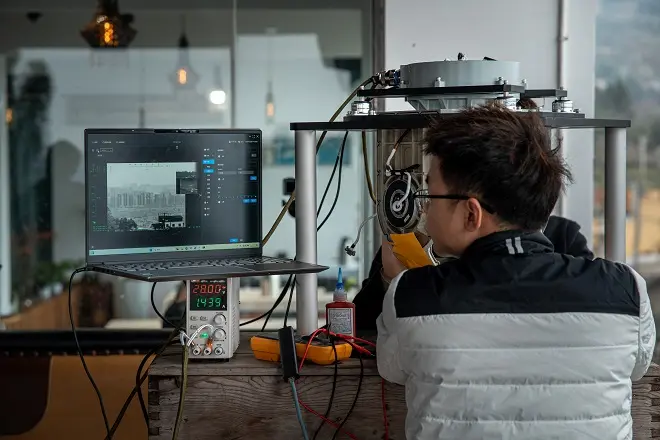
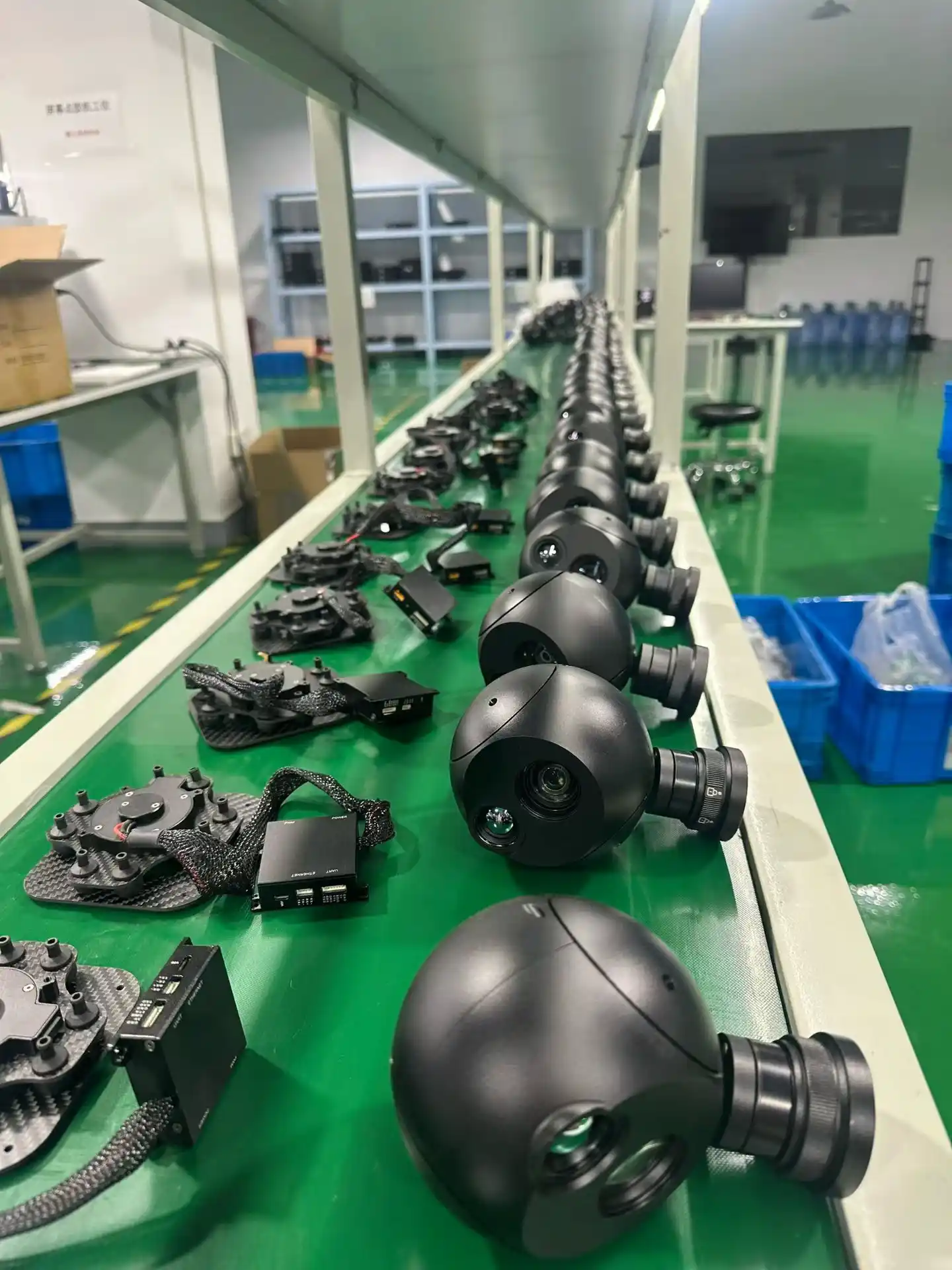
Optics, servo hardware, stabilisation firmware and the AI tracking module are developed in house, and every unit is assembled, calibrated and environmentally tested on our own line before it ships.

Two axes or three? And how far do you need to see?
This page is the three-axis half of the decision. Three guides cover the rest: which axes each design holds and where a two-axis head is still the right answer, how to mount, power, control and test the payload, and how to compare optical zoom, field of view and laser rangefinding on a long-range head.
- 2-axis vs 3-axis: which stabilisation you needWhat each design actually holds, why three axes is not automatically heavier, how to compare a stabilisation claim, and how to match the head to the airframe.Read the stabilisation guide →
- UAV gimbal camera integrationMounting, power, serial and Ethernet interfaces, MAVLink control, the video path to the ground station, SDKs, and a bench-to-flight test sequence.Read the integration guide →
- Long-range gimbal cameras: zoom, FOV and LRFWhy a 40x ratio is not a reach, how focal length against sensor size decides what you resolve at distance, and why a 3 km rangefinder is not a 3 km camera.Read the long-range guide →
- Buying one? Start with the checklistTen steps from mission brief to purchase order, with an RFQ template and a supplier scorecard you can reuse.Read the procurement checklist →
Request information or a quotation
Send the platform and the required identification range and we will size the head for you. Contact us with your requirements.