
Field programmes built on the same payload architecture.
HITS payloads and platforms are developed by the same engineering group, which is why the company operates its own UAV programmes as well as supplying imaging payloads to other manufacturers and integrators. The programmes below are the ones we can describe in public.
Payload-level project detail is shared during evaluation, including for projects we cannot name.
Hydrogen-powered postal logistics route.
A hydrogen fuel-cell multirotor operating a postal and express delivery route, with ground handling, landing pads and hand-over to the delivery network.
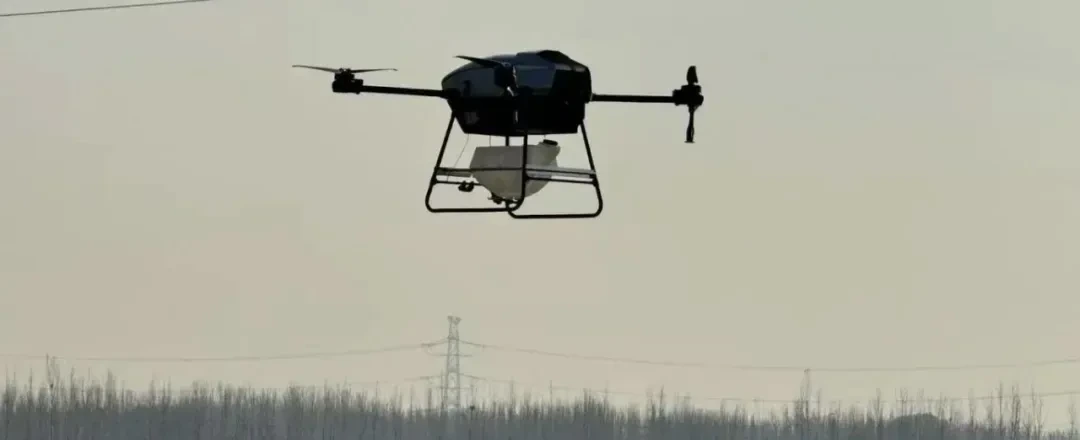
What the programme proves
Hydrogen power changes the economics of repeated heavy-lift delivery: the aircraft returns to the pad, refuels quickly, and goes out again. Running that as a live postal route, rather than a one-off demonstration, is what puts the platform under daily operational load.
- Region
- China
- Industry
- Postal and express logistics
- Platform
- Hydrogen fuel-cell multirotor
- Recognition
- Golden Tripod Award 2026, best hydrogen UAV logistics transport demonstration project
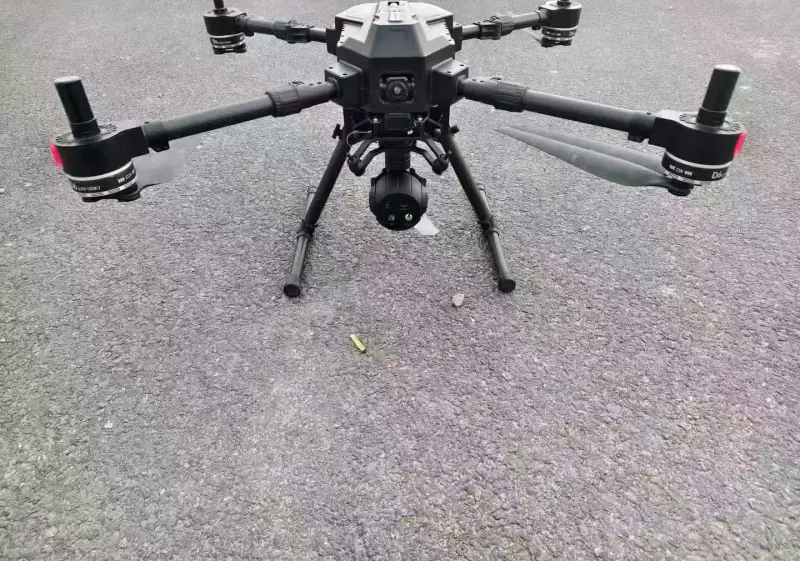
Ground operations, not just flight
A delivery aircraft is only as useful as the operation around it. This programme covers the parts that decide whether a route survives contact with the real world: landing pads, parcel handling, crew routines and the hand-over into an existing delivery network.
- Scope
- Route operation and ground handling
- Deliverable
- A repeatable delivery cycle on a hydrogen platform
- Relevance
- The same engineering group builds the imaging payloads on these pages

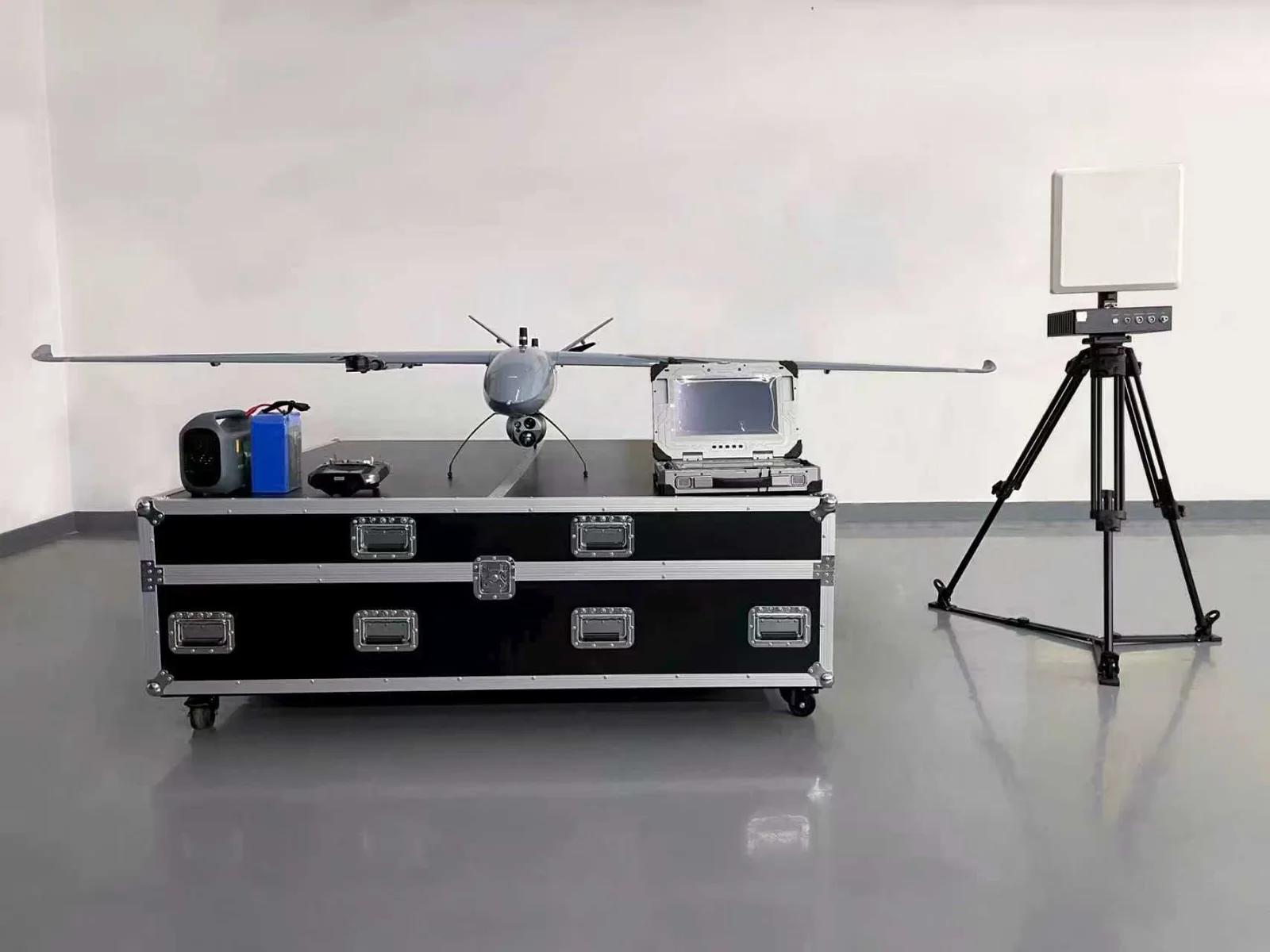
Exhibition and demonstration activity.
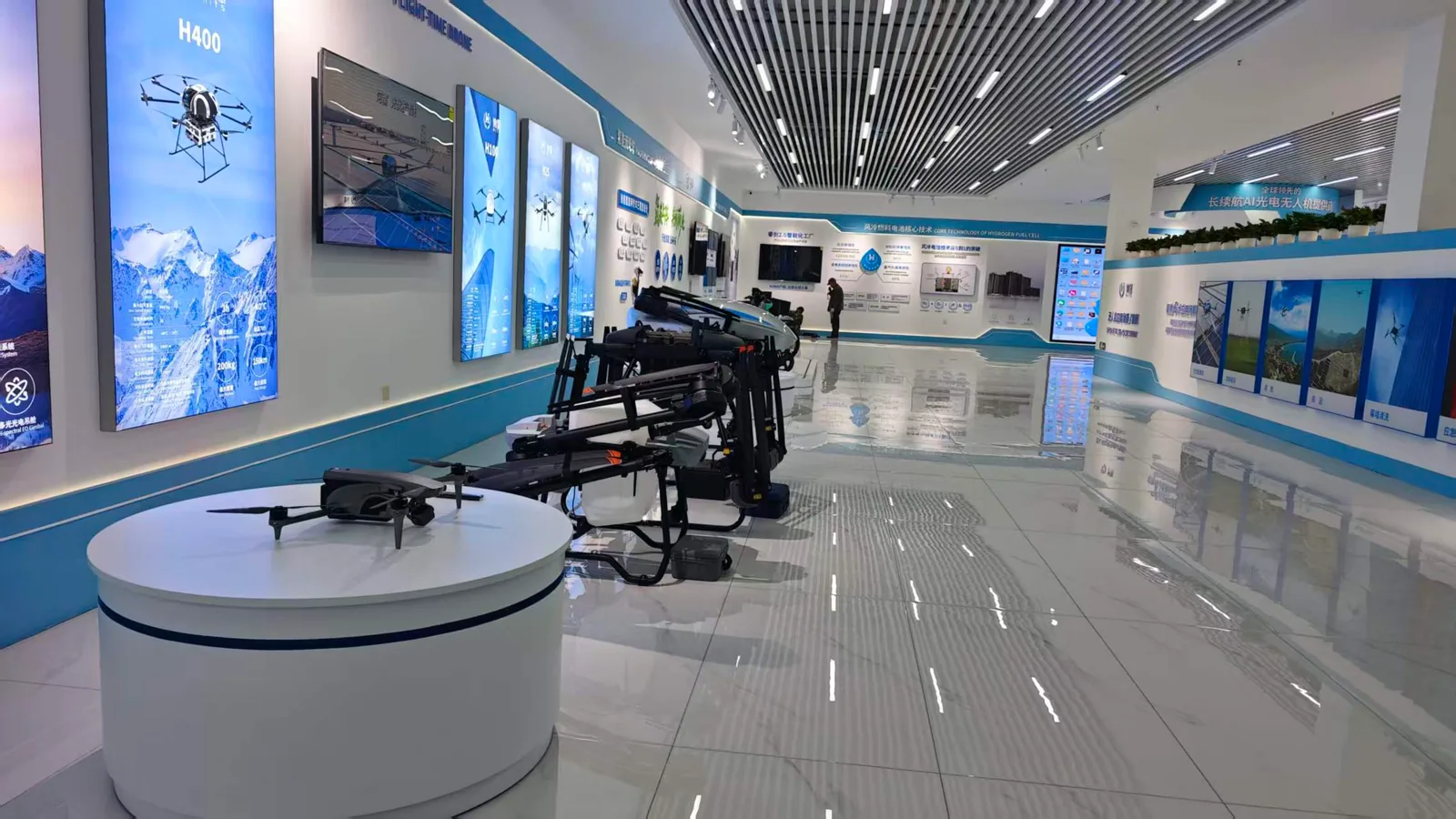
Platform and payload hardware shown publicly at industry exhibitions, where integrators and project teams can inspect the mechanical construction and the sensor heads directly rather than through a datasheet.


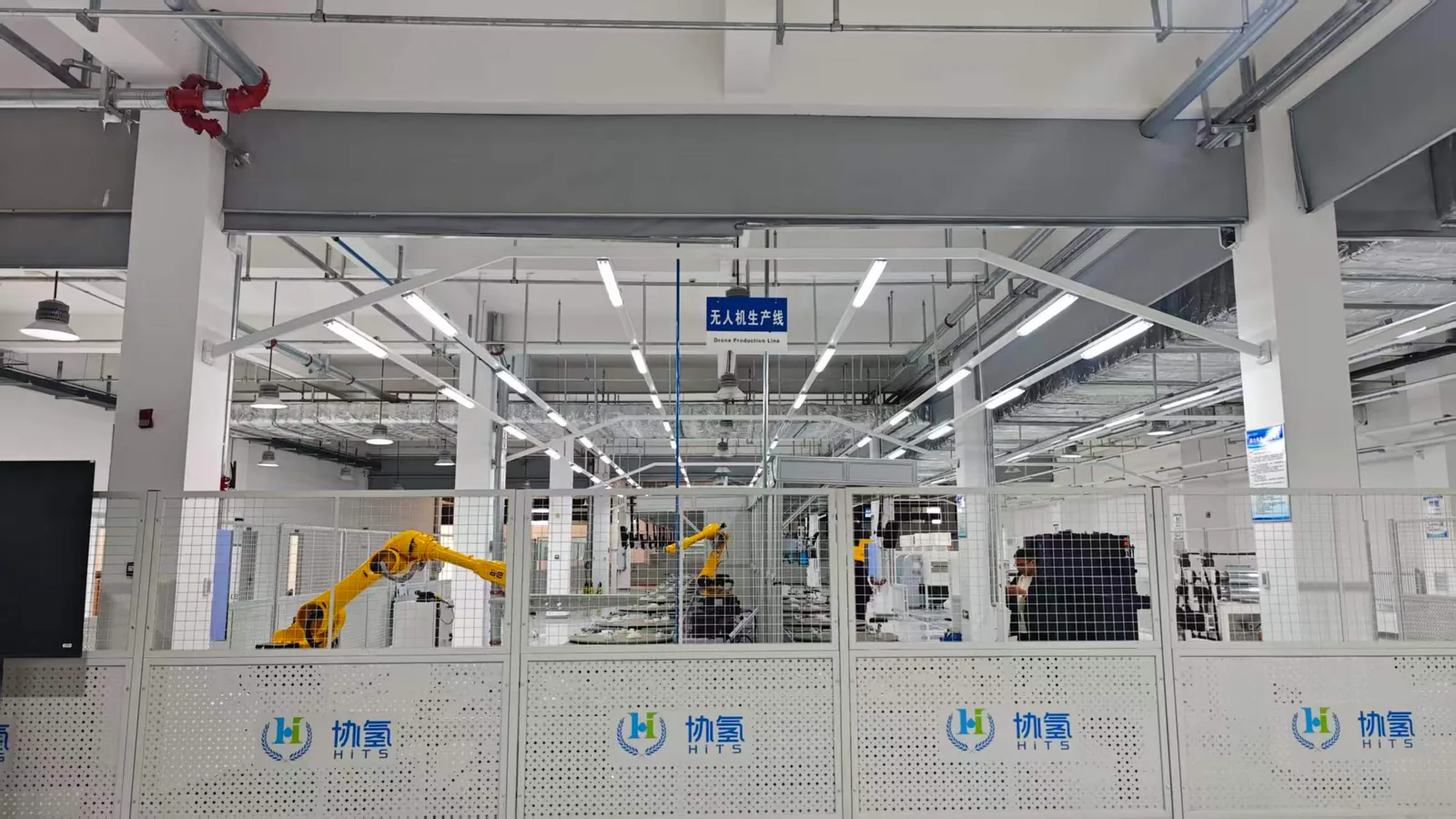
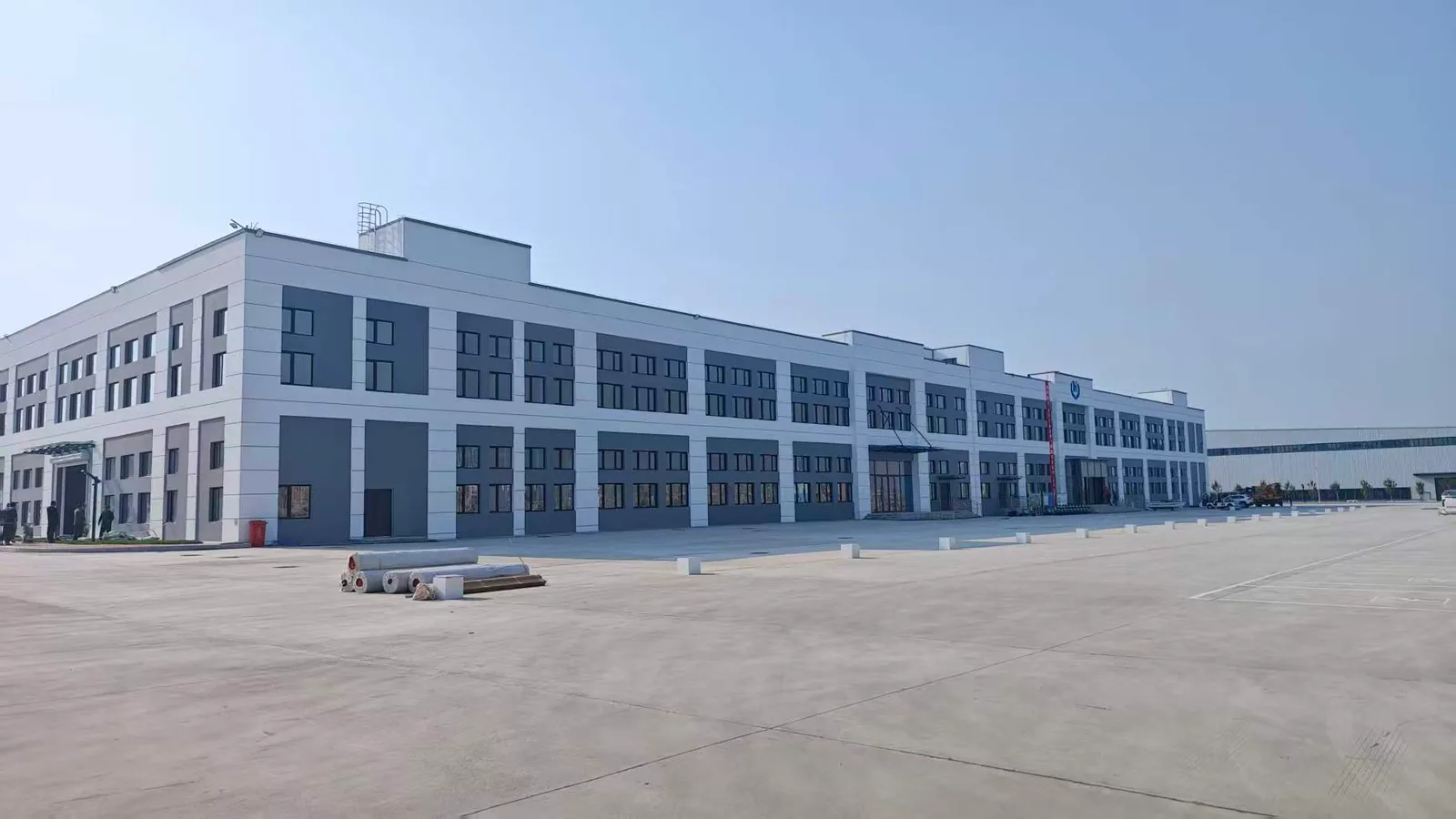
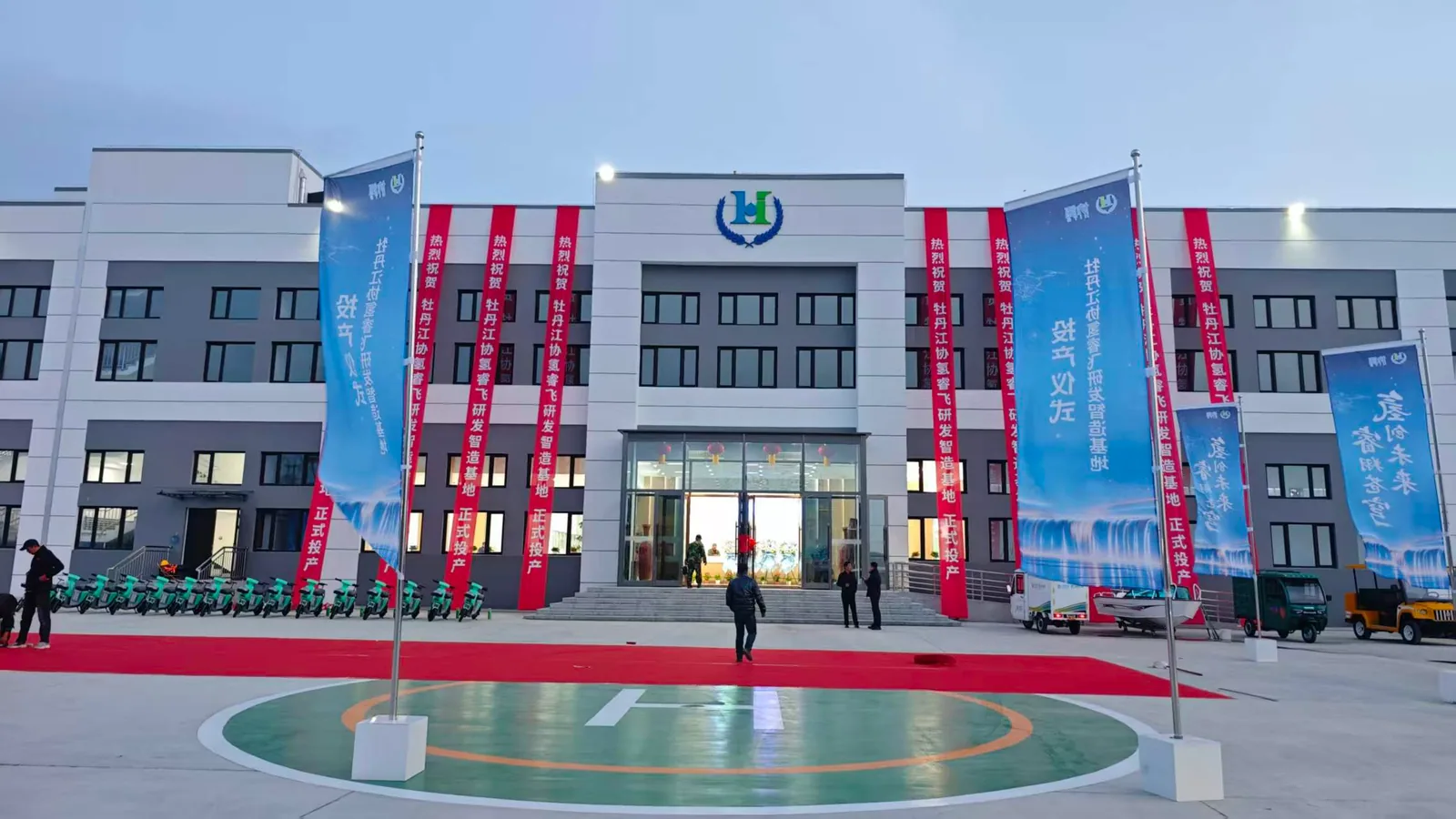
Manufacturing base and production line.
Programmes that need multi-unit deliveries are built on the group’s own manufacturing base in Mudanjiang, where airframe and payload assembly, optical alignment, final test and flight demonstration sit on one site.
Some projects can be named. Most cannot.
Imaging payloads are bought by integrators, project teams and institutions whose operating areas are not public. Publishing a customer name or an operating region can compromise the project, so a page like this will always understate the reference list.
What we can do instead is describe the project without identifying it: the platform class, the sensor configuration, the mission profile and the measured performance of the delivered unit. That is usually more useful to an engineering team than a logo wall, and it can be reviewed under an NDA.
- Named references — where the customer has agreed to be listed
- Anonymous references — configuration, mission profile and measured results, customer withheld
- Under NDA — full project detail reviewed with your team during evaluation

Questions about references and projects.
Can you give us a reference in our sector?
Usually yes. Tell us the sector and the mission — maritime and offshore inspection, perimeter and border observation, infrastructure survey, or a platform integration programme — and we will match you with a project that can be discussed at the level the customer allows.
Why are so few projects published here?
Because most of them cannot be. Institutional and project buyers frequently require that neither their name nor their operating area appears in public material. We would rather describe three programmes accurately than list thirty we are not allowed to name.
Do you work with integrators on their customer’s projects?
Yes. A large part of the payload business is supplied through UAV manufacturers and system integrators, who present the complete system to their own customer. In that case the payload documentation, the calibration report and the configuration record are prepared for the integrator, not for the end user.
Can a project be covered by an NDA before we share details?
Yes. If your procurement process requires confidentiality before an engineering conversation, we can put an agreement in place first and then discuss the platform, the mission profile and the required performance in detail.
Tell us the mission. We will tell you what is possible.
Platform, operating conditions, viewing distance and quantity are enough to start a technical conversation.